Golden Retrievers epitomize the ideal family dog—loyal, gentle, intelligent, and endlessly devoted to their humans. These beautiful dogs with their iconic golden coats require thoughtful nutrition to support their active lifestyle, maintain their lustrous coat, and address breed-specific health concerns.
Nutritional Needs of Golden Retrievers
Golden Retrievers are a large breed, typically weighing 55-75 pounds. Originally bred as hunting dogs to retrieve waterfowl, they retain high energy levels and a love of activity that requires proper nutritional support.
Key Nutritional Requirements
- Quality protein (24-28%): Supports the lean muscle mass these active dogs need
- Moderate fat (12-18%): Provides energy while preventing weight gain
- Omega-3 and omega-6 fatty acids: Critical for maintaining their famous golden coat
- Glucosamine and chondroitin: Joint support is essential—Goldens are prone to hip dysplasia
- Antioxidants (Vitamins E & C): Support immune health and may help reduce cancer risk
- Taurine: Supports heart health, particularly important for this breed
Common Health Concerns That Affect Diet
Golden Retrievers face several health challenges that proper nutrition can help manage:
- Cancer: Goldens have a higher cancer rate than most breeds. Antioxidant-rich diets may provide some protective benefit.
- Hip and elbow dysplasia: Large breed formulas with joint support are essential
- Skin conditions and allergies: Many Goldens develop skin sensitivities requiring omega fatty acids
- Heart disease: Taurine and L-carnitine support cardiac health
- Obesity: These food-motivated dogs gain weight easily
- Ear infections: Their floppy ears trap moisture; omega fatty acids support skin and ear health
What to Look for in Golden Retriever Food
Must-Have Features
- Large breed formula with appropriate calorie density
- High-quality animal protein (chicken, fish, beef, lamb) as the first ingredient
- Added omega-3 fatty acids from fish oil or flaxseed
- Glucosamine and chondroitin for joint support
- Antioxidant-rich ingredients
- No artificial preservatives, colors, or flavors
Beneficial Ingredients
- Salmon or fish oil (EPA/DHA for skin, coat, and joints)
- Blueberries, spinach, sweet potatoes (antioxidants)
- Pumpkin or beet pulp (digestive fiber)
- Eggs (protein and biotin for coat health)
- Flaxseed (omega-3 and fiber)
Top Recommended Products
Based on our database analysis, these products are excellent choices for Golden Retrievers:
Premium Large Breed Options
Hill's Science Diet Adult Large Breed
- Formulated for dogs 55-100 lbs
- Natural omega-6 fatty acids and vitamin E for skin and coat
- Glucosamine and chondroitin for joint health
- Made with real chicken
- Made in the USA
Purina Pro Plan Large Breed Adult
- Chicken as the first ingredient
- EPA and glucosamine for joint health
- Live probiotics for digestive health
- Omega fatty acids for skin and coat
Royal Canin Size Health Nutrition Large Adult
- Tailored nutrition for large breeds
- L-carnitine for healthy metabolism
- Supports digestive health
- Optimal nutrient balance for large breed adults
For Skin and Coat Health
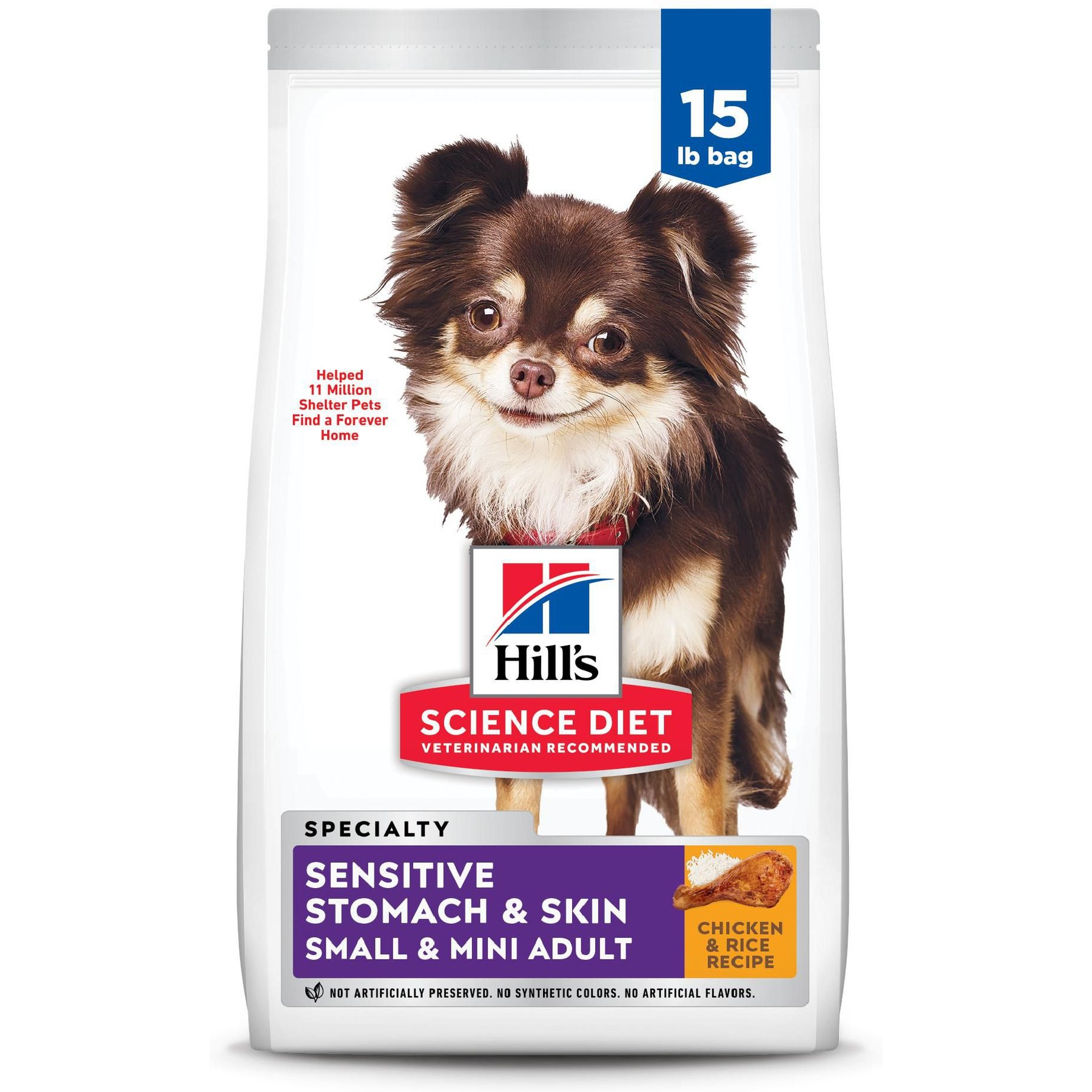
Hill's Science Diet Sensitive Stomach & Skin
- Rating: 4.77/5
- Omega-6 fatty acids for healthy skin
- Prebiotic fiber for digestive health
- Vitamin E and omega-6 for coat
Purina Pro Plan Sensitive Skin & Stomach
- Salmon as the first ingredient
- Oatmeal for gentle digestion
- Rich in omega fatty acids
- No corn, wheat, or soy
For Joint Support
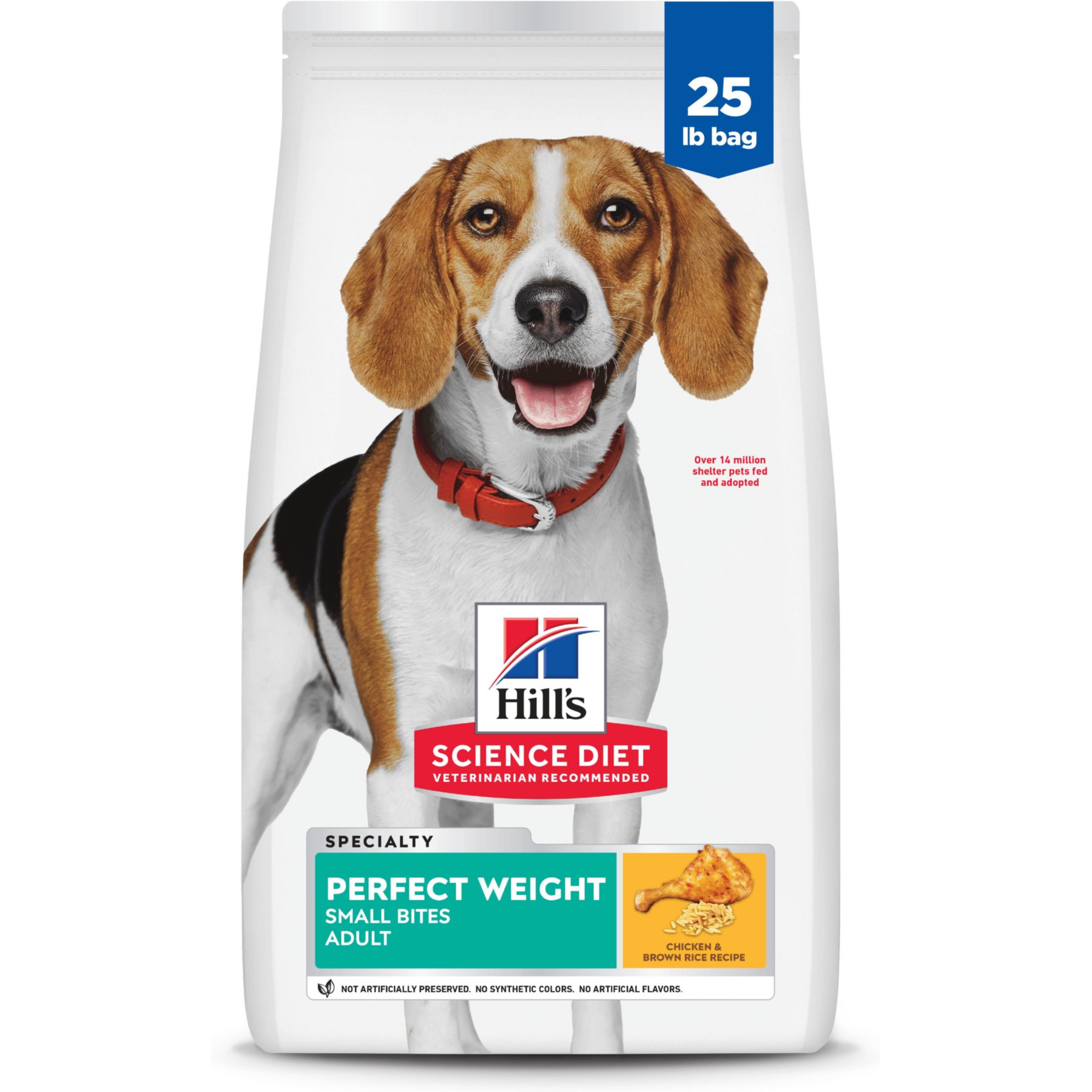
Hill's Science Diet Perfect Weight & Joint Support
- Rating: 4.80/5 from 732 reviews
- Contains omega-3 EPA from fish oil
- Glucosamine for joint support
- Weight management formula
Feeding Guidelines
| Weight | Daily Amount (Adult) | Activity Level |
|---|---|---|
| 55-65 lbs | 2.5 - 3 cups | Moderate |
| 65-75 lbs | 3 - 3.5 cups | Moderate |
| 75-85 lbs | 3.5 - 4 cups | Moderate |
Note: These are guidelines for typical adult maintenance. Adjust based on:
- Highly active dogs: +20-30%
- Senior or less active dogs: -10-20%
- Spayed/neutered dogs: Often need 15-20% fewer calories
Feeding Tips for Golden Retrievers
- Maintain a consistent schedule: Two meals per day works best for most adult Goldens
- Monitor body condition: You should be able to feel ribs without excess fat covering
- Add fish oil if needed: Even with quality food, extra omega-3s can benefit coat and joints
- Watch treat intake: Goldens are highly food-motivated; treats should be ≤10% of daily calories
- Provide fresh water: Especially after exercise; Goldens are active and need hydration
Supporting That Golden Coat
A Golden Retriever's coat is their crowning glory. Nutrition plays a huge role in coat health:
For a Healthy, Shiny Coat
- Omega-3 fatty acids: Reduce inflammation and add shine
- Omega-6 fatty acids: Support skin barrier function
- Biotin: Supports coat growth and health
- Zinc: Essential for skin and coat health
- High-quality protein: Hair is primarily protein (keratin)
Signs of Nutritional Deficiency in the Coat
- Dull, lackluster appearance
- Excessive shedding beyond normal
- Dry, flaky skin
- Brittle or breaking fur
- Slow coat regrowth after shedding
Life Stage Considerations
Golden Retriever Puppies
- Feed large breed puppy formula until 12-18 months
- Controlled calcium and phosphorus ratios prevent developmental issues
- 3-4 meals daily until 6 months, then 2-3 meals
- Don't overfeed—rapid growth stresses developing joints
Adult Golden Retrievers (2-7 years)
- Transition to large breed adult formula
- Focus on maintaining healthy weight
- Regular exercise with proper nutrition
- Annual vet checks for joint and heart health
Senior Golden Retrievers (7+ years)
- Consider senior formula with enhanced joint support
- May need reduced calories
- Increased importance of omega fatty acids
- Regular health monitoring recommended
- Consider supplements for joint and cognitive support
Frequently Asked Questions
How much should I feed my Golden Retriever?
Most adult Golden Retrievers need 1,200-1,700 calories daily depending on activity level. This typically translates to 2.5-4 cups of dry food daily, split into two meals. Use the feeding calculator on the bag as a starting point, then adjust based on your dog's body condition.
Why does my Golden Retriever shed so much?
Goldens have a double coat and shed year-round, with heavier shedding in spring and fall. While you can't stop shedding, proper nutrition with omega fatty acids can reduce excessive shedding and improve coat health. Regular brushing (2-3 times weekly) also helps.
Should I feed my Golden grain-free food?
For most Golden Retrievers, grain-free food is not recommended. The FDA has investigated a potential link between grain-free diets and dilated cardiomyopathy (DCM), which Golden Retrievers may already be predisposed to. Unless your vet recommends it for a specific allergy, choose a high-quality grain-inclusive food.
What foods should Golden Retrievers avoid?
Beyond toxic foods for all dogs (chocolate, grapes, onions, xylitol), Golden Retrievers should avoid:
- Excessive fat (pancreatitis risk)
- Overly calorie-dense foods (obesity risk)
- Foods with artificial preservatives
- Common allergens if sensitivities are present
How can I help my Golden Retriever's joint health through diet?
Choose foods with added glucosamine and chondroitin. Look for omega-3 fatty acids from fish oil (EPA/DHA specifically). Maintain a healthy weight—excess pounds stress joints significantly. Consider a joint-support supplement as your Golden ages.
Related Resources
- Feeding Calculator - Calculate exact calorie needs for your Golden
- Large Breed Dog Food - More large breed options
- Dog Food for Skin Allergies - Allergy-friendly options
- Dog Food for Joint Health - Joint support formulas
- Compare Dog Foods - Side-by-side product comparison