German Shorthaired Pointers (GSPs) are athletic, versatile hunting dogs known for their boundless energy, intelligence, and enthusiasm for any activity. These high-performance dogs require nutrition that supports their intense activity levels and lean, muscular build.
Nutritional Needs of German Shorthaired Pointers
GSPs are a large breed, typically weighing 45-70 pounds. Originally bred as all-purpose hunting dogs, they maintain extremely high energy levels and require nutrition that supports sustained activity.
Key Nutritional Requirements
- High-quality protein (26-32%): Essential for maintaining lean muscle mass and recovery from exercise
- Higher fat content (15-20%): Provides sustained energy for their active lifestyle
- Complex carbohydrates: For steady energy release
- Omega-3 fatty acids: Support joint health and reduce exercise-induced inflammation
- Glucosamine and chondroitin: Joint protection for this highly active breed
- Antioxidants: Support recovery and immune function
- Easily digestible ingredients: Prevent GI upset during activity
Common Health Concerns That Affect Diet
GSPs are generally healthy but face some breed-specific challenges:
- Hip dysplasia: Joint support nutrients are important
- Gastric issues during exercise: Easily digestible food prevents problems
- Bloat (GDV): Deep-chested breeds are at risk
- Hypothyroidism: Can affect metabolism; quality nutrition supports thyroid function
- Eye conditions: Antioxidants support eye health
- Skin allergies: Some GSPs develop sensitivities
What to Look for in GSP Food
Must-Have Features
- Performance or active breed formula
- High-quality animal protein as the first ingredient
- Higher fat content for energy (15%+)
- Glucosamine and chondroitin for joints
- Omega-3 fatty acids
- Easily digestible for exercise tolerance
Ideal for Active GSPs
- Real meat as primary protein
- Named fat sources (chicken fat, fish oil)
- Complex carbs (sweet potato, brown rice)
- No artificial fillers or preservatives
Top Recommended Products
Based on our database analysis, these products are excellent choices for German Shorthaired Pointers:
Performance Formulas
Purina Pro Plan Sport Performance 30/20
- 30% protein, 20% fat for active dogs
- Real chicken as the first ingredient
- Amino acids for muscle recovery
- EPA and glucosamine for joint health
- Optimal for highly active hunting dogs
Purina Pro Plan Sport Active 26/16
- 26% protein, 16% fat
- Great for moderately active GSPs
- Supports endurance and recovery
- Glucosamine for joint support
Premium Large Breed Options
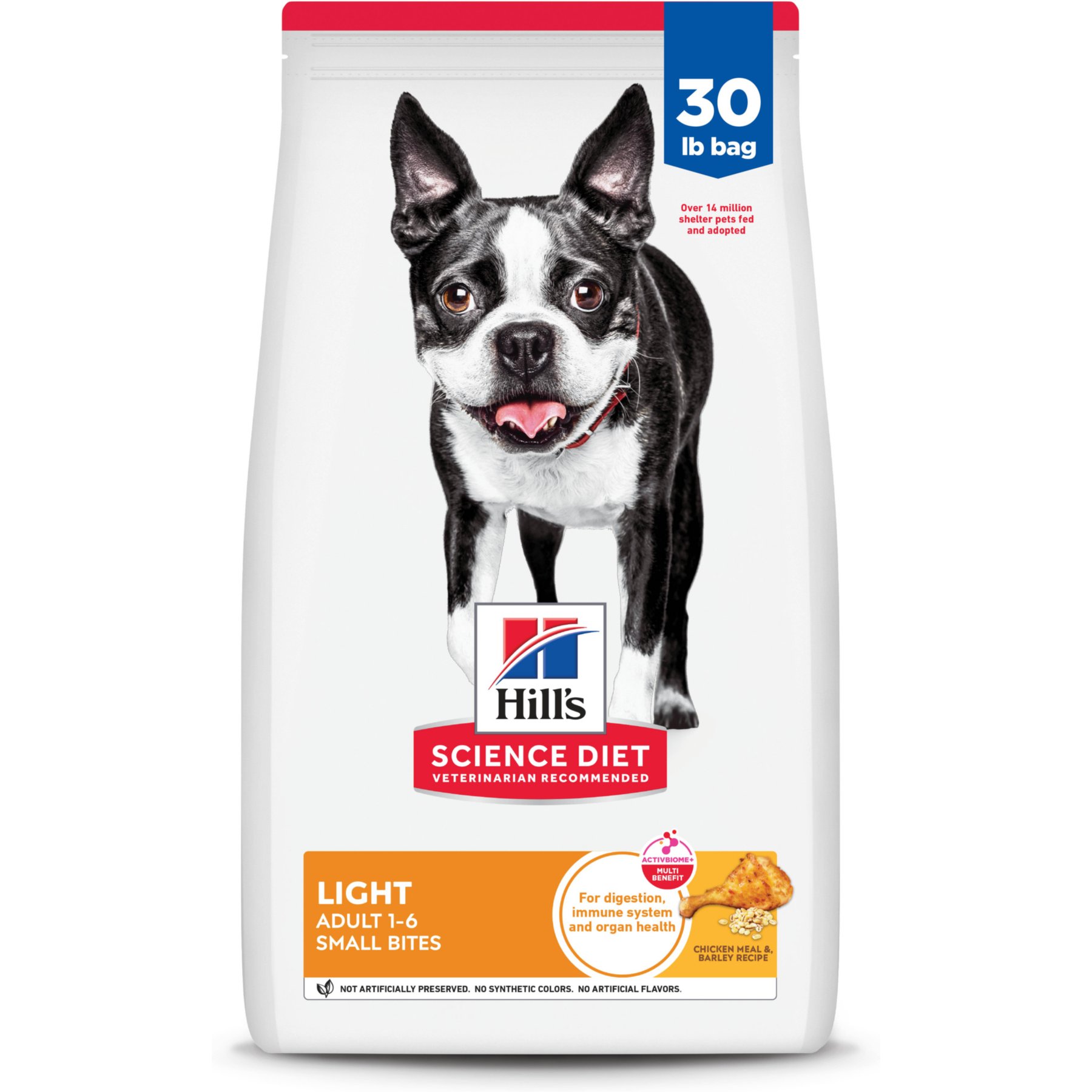
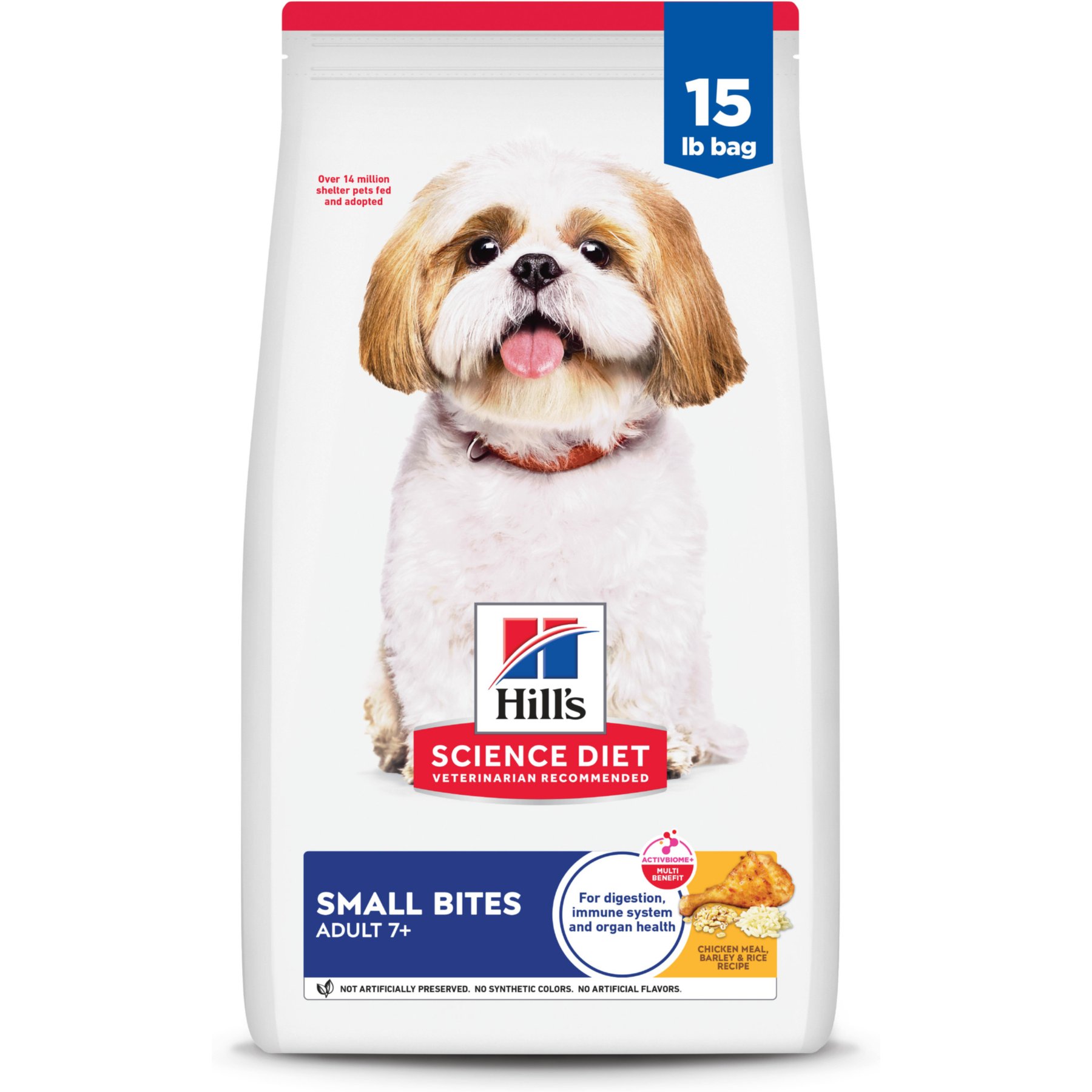
Hill's Science Diet Adult Large Breed
- Formulated for dogs 55+ lbs
- Glucosamine and chondroitin
- Omega fatty acids for coat
- Made in the USA
Purina Pro Plan Large Breed Adult
- Real chicken as the first ingredient
- EPA and glucosamine for joints
- Live probiotics for digestion
- Complete nutrition for large breeds
For Sensitive Digestion
Purina Pro Plan Sensitive Skin & Stomach
- Salmon as the first ingredient
- Oatmeal for gentle digestion
- Omega fatty acids
- No corn, wheat, or soy
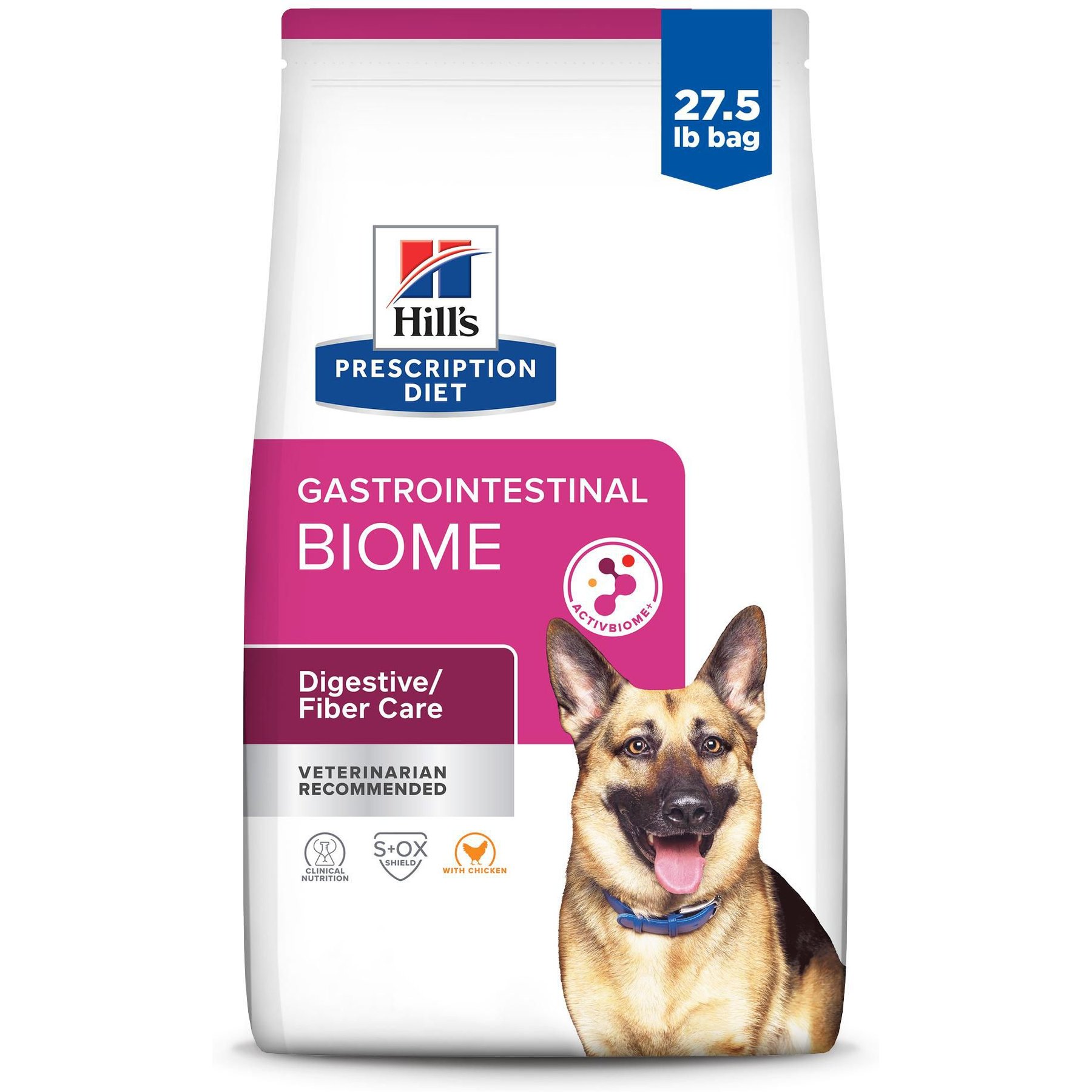
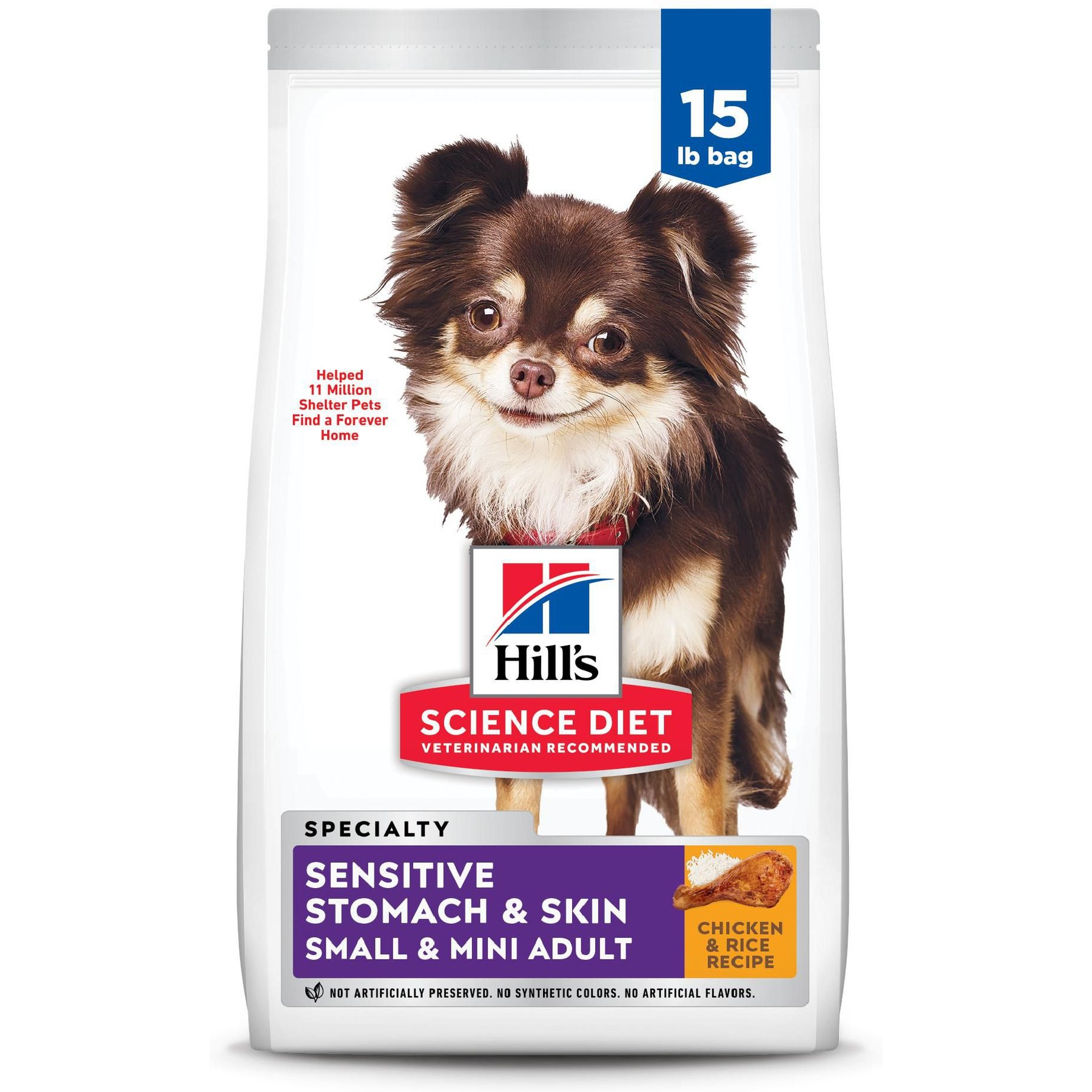
Hill's Science Diet Sensitive Stomach & Skin
- Easy-to-digest ingredients
- Prebiotic fiber for gut health
- Omega fatty acids for skin and coat
- Supports optimal nutrient absorption
Feeding Guidelines
| Weight | Daily Amount | Activity Level |
|---|---|---|
| 45-55 lbs | 2.5 - 3 cups | Active |
| 55-65 lbs | 3 - 3.5 cups | Active |
| 65-70 lbs | 3.5 - 4 cups | Active |
For Highly Active/Working GSPs: Increase by 25-50% For House Pet GSPs with Moderate Activity: Use standard amounts Off-Season or Less Active Periods: May need 15-20% less
Feeding for Performance
Before Activity
- Feed 2-3 hours before intense exercise
- Use easily digestible food
- Keep meals moderate in size
- Avoid exercise on full stomach (bloat risk)
After Activity
- Allow 30-60 minutes rest before feeding
- Provide fresh water in small amounts
- Feed normal meal after cooling down
- Protein supports muscle recovery
During Hunting Season
- Increase portions by 25-50% based on activity
- Consider performance formula
- Split into multiple smaller meals
- Monitor weight and adjust as needed
Preventing Bloat in GSPs
German Shorthaired Pointers have deep chests, putting them at risk for bloat. Preventive feeding practices:
Best Practices
- Feed 2-3 smaller meals instead of one large meal
- Use slow-feeder bowls
- No exercise 1 hour before or after eating
- Keep feeding environment calm
- Avoid elevated bowls
- Monitor for signs of bloat
Warning Signs (Seek Emergency Care)
- Distended abdomen
- Unproductive retching
- Excessive drooling
- Restlessness and pacing
- Difficulty breathing
Adjusting Food for Activity Level
High Activity (Hunting, Field Trials, Daily Runs)
- 30/20 or similar performance formula
- 1,800-2,500+ calories daily
- Higher fat for sustained energy
- Protein for muscle maintenance
Moderate Activity (Daily Walks, Weekend Hiking)
- Standard large breed formula
- 1,400-1,800 calories daily
- Balanced protein and fat
- Joint support still important
Low Activity (Recovery, Off-Season, Senior)
- Weight management or senior formula
- 1,200-1,400 calories daily
- Monitor weight closely
- Maintain joint support
Life Stage Considerations
GSP Puppies
- Large breed puppy formula until 12-14 months
- Controlled growth prevents joint issues
- 3-4 meals daily until 4 months, then 3, then 2 after 6 months
- Don't over-exercise growing puppies
Adult GSPs (2-7 years)
- Match formula to activity level
- Performance formula for active dogs
- Regular joint support
- Monitor weight during activity changes
Senior GSPs (7+ years)
- May need senior or joint support formula
- Adjust calories to reduced activity
- Glucosamine and chondroitin more important than ever
- Regular veterinary monitoring
Feeding Tips for GSPs
- Match food to activity: Adjust between seasons
- Time meals around exercise: Avoid feeding before or right after intense activity
- Use slow-feeder bowls: Prevents bloat risk
- Monitor body condition: These dogs should be lean, with visible ribs slightly
- Fresh water always: Critical for active dogs
- Consider performance treats: For training and field work
Maintaining Lean Body Condition
Ideal GSP Body Condition
- Ribs easily felt with minimal fat covering
- Visible waist from above
- Belly tucked up from side
- Lean, athletic appearance
- Visible muscle definition
If Your GSP is Overweight
- Switch to weight management formula
- Reduce portions gradually
- Increase exercise (gradually if needed)
- Use low-calorie training treats
- Regular weigh-ins
If Your GSP is Underweight
- Increase portions gradually
- Consider higher-calorie performance formula
- Rule out health issues with vet
- Add healthy fats if needed
- Feed more frequent meals
Frequently Asked Questions
How many calories does an active GSP need?
Active adult GSPs typically need 1,600-2,200 calories daily, but during intense hunting or training, they may need 2,500-3,000+ calories. Monitor body condition and adjust accordingly—you should always be able to feel ribs easily.
Should I feed my GSP before or after exercise?
Feed at least 2-3 hours before intense exercise and wait 30-60 minutes after exercise before feeding. This reduces the risk of bloat and GI upset. Provide small amounts of water during activity.
What's the best protein level for a GSP?
For active GSPs, look for 26-32% protein. Working hunting dogs may benefit from 30%+ protein formulas. Less active dogs can do well with 24-26% protein. Always prioritize quality animal protein sources.
My GSP has a sensitive stomach. What should I try?
Some GSPs have sensitive digestion. Try a limited ingredient diet or salmon-based formula. Avoid feeding around exercise, use easily digestible ingredients, and consider probiotics. If problems persist, consult your vet.
How do I transition my GSP between hunting season and off-season?
Gradually transition over 10-14 days. During hunting season, increase to a performance formula. In off-season, slowly reduce portions and potentially switch to a maintenance formula. Monitor weight throughout transitions.
Related Resources
- Feeding Calculator - Calculate exact calorie needs for your GSP
- Large Breed Dog Food - More large breed options
- High-Protein Dog Food - Performance nutrition
- Dog Food for Joint Health - Joint support options
- Compare Dog Foods - Side-by-side product comparison