German Shepherds are renowned for their intelligence, loyalty, and versatility. Whether serving as police dogs, service animals, or beloved family protectors, these powerful dogs require nutrition that supports their athletic build, high energy levels, and breed-specific health needs.
Nutritional Needs of German Shepherds
German Shepherds are a large breed, typically weighing 50-90 pounds. Their high intelligence and activity levels demand quality nutrition that supports both physical performance and mental acuity.
Key Nutritional Requirements
- High-quality protein (22-28%): Essential for maintaining their muscular, athletic build
- Moderate fat (12-18%): Provides sustained energy for active lifestyles
- Glucosamine and chondroitin: Joint support is critical—GSDs are prone to hip and elbow dysplasia
- Omega-3 fatty acids: Support skin health, coat quality, and reduce inflammation
- Easily digestible carbohydrates: German Shepherds often have sensitive digestive systems
- Probiotics: Digestive support is particularly important for this breed
Common Health Concerns That Affect Diet
German Shepherds face several health challenges that proper nutrition can help address:
- Hip and elbow dysplasia: One of the most common issues; joint-supporting nutrients are essential
- Digestive sensitivity: GSDs are notorious for sensitive stomachs and loose stools
- Exocrine pancreatic insufficiency (EPI): A GSD-specific condition affecting nutrient absorption
- Degenerative myelopathy: A neurological condition; omega-3s and antioxidants may provide support
- Bloat (GDV): This dangerous condition makes feeding practices and food type important
- Skin allergies: Many GSDs develop food or environmental allergies
What to Look for in German Shepherd Food
Must-Have Features
- Large breed formula with appropriate calorie density
- High-quality, named animal protein as the first ingredient
- Glucosamine and chondroitin for joint health
- Easily digestible ingredients for their sensitive stomachs
- Probiotics or prebiotic fiber for digestive support
- Omega fatty acids for skin and coat
Ingredients to Consider Avoiding
- Artificial preservatives, colors, or flavors
- Low-quality fillers (corn, wheat, soy are common triggers for GSDs)
- By-product meals without specific animal source
- Excessive fat that may cause digestive upset
- Ingredients your specific dog has shown sensitivity to
Top Recommended Products
Based on our database analysis, these products are well-suited for German Shepherds:
Premium Large Breed Options
Hill's Science Diet Adult Large Breed
- Formulated for dogs 55-100 lbs
- Glucosamine and chondroitin from natural sources
- Omega-6 fatty acids and vitamin E for skin and coat
- Easy-to-digest ingredients
- Made in the USA
Purina Pro Plan Large Breed Adult
- Real chicken as the first ingredient
- EPA and glucosamine for joint health
- Live probiotics for digestive support
- Fortified with vitamins and minerals
Royal Canin Size Health Nutrition Large Adult
- Tailored nutrition for large breeds
- Highly digestible proteins (L.I.P.)
- Supports digestive health
- L-carnitine for healthy metabolism
For Sensitive Digestion
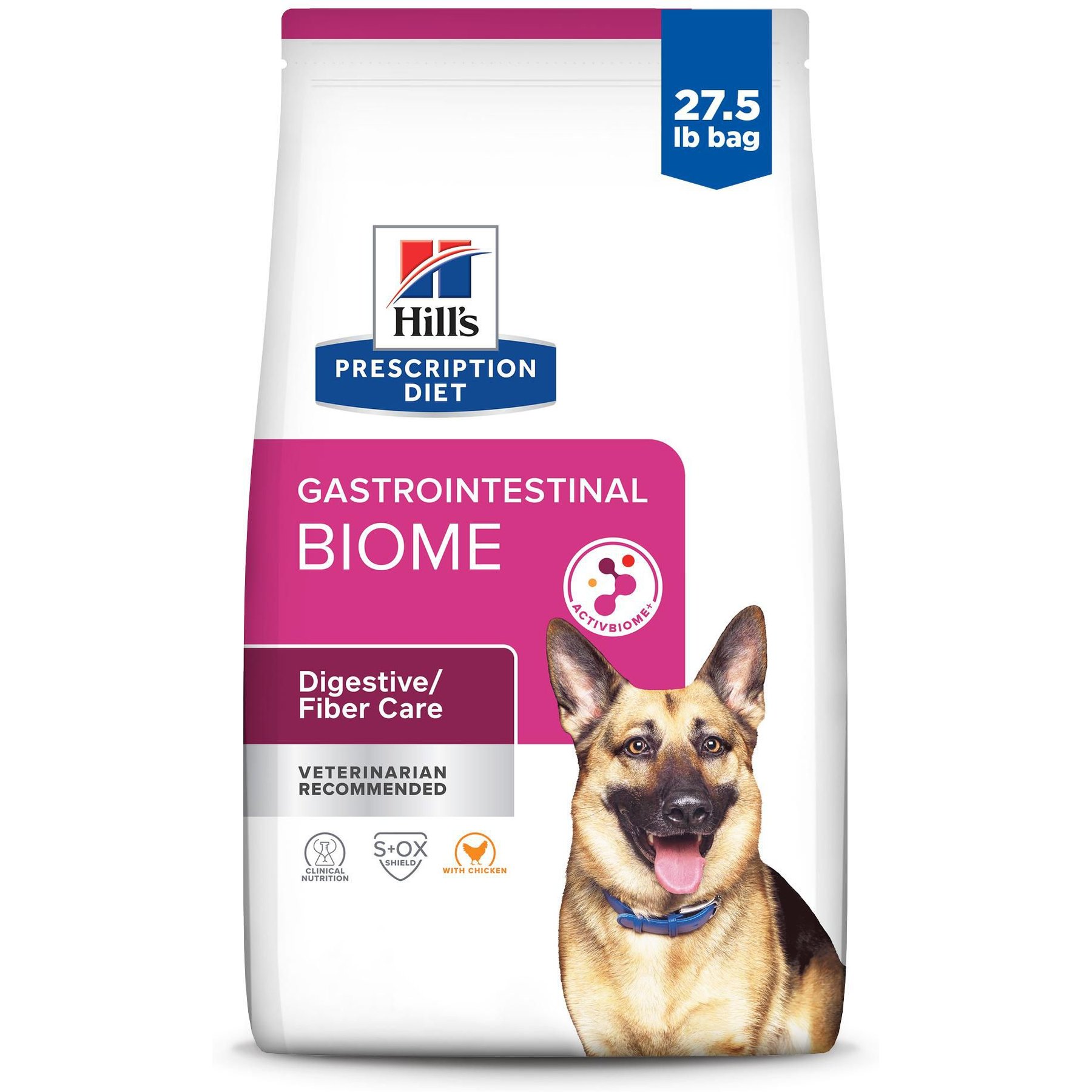
Hill's Prescription Diet Gastrointestinal Biome
- Rating: 4.81/5 from over 4,800 reviews
- Specifically formulated for digestive health
- Prebiotic fiber promotes healthy gut bacteria
- Highly digestible formula
- Veterinary recommended
Royal Canin Veterinary Diet Gastrointestinal Low Fat
- Rating: 4.76/5 from nearly 7,000 reviews
- Low fat for easy digestion
- Highly digestible proteins
- Supports digestive balance
Purina Pro Plan Sensitive Skin & Stomach
- Salmon as the first ingredient
- Oatmeal for gentle digestion
- Prebiotic fiber for digestive health
- No corn, wheat, or soy
For Joint Support
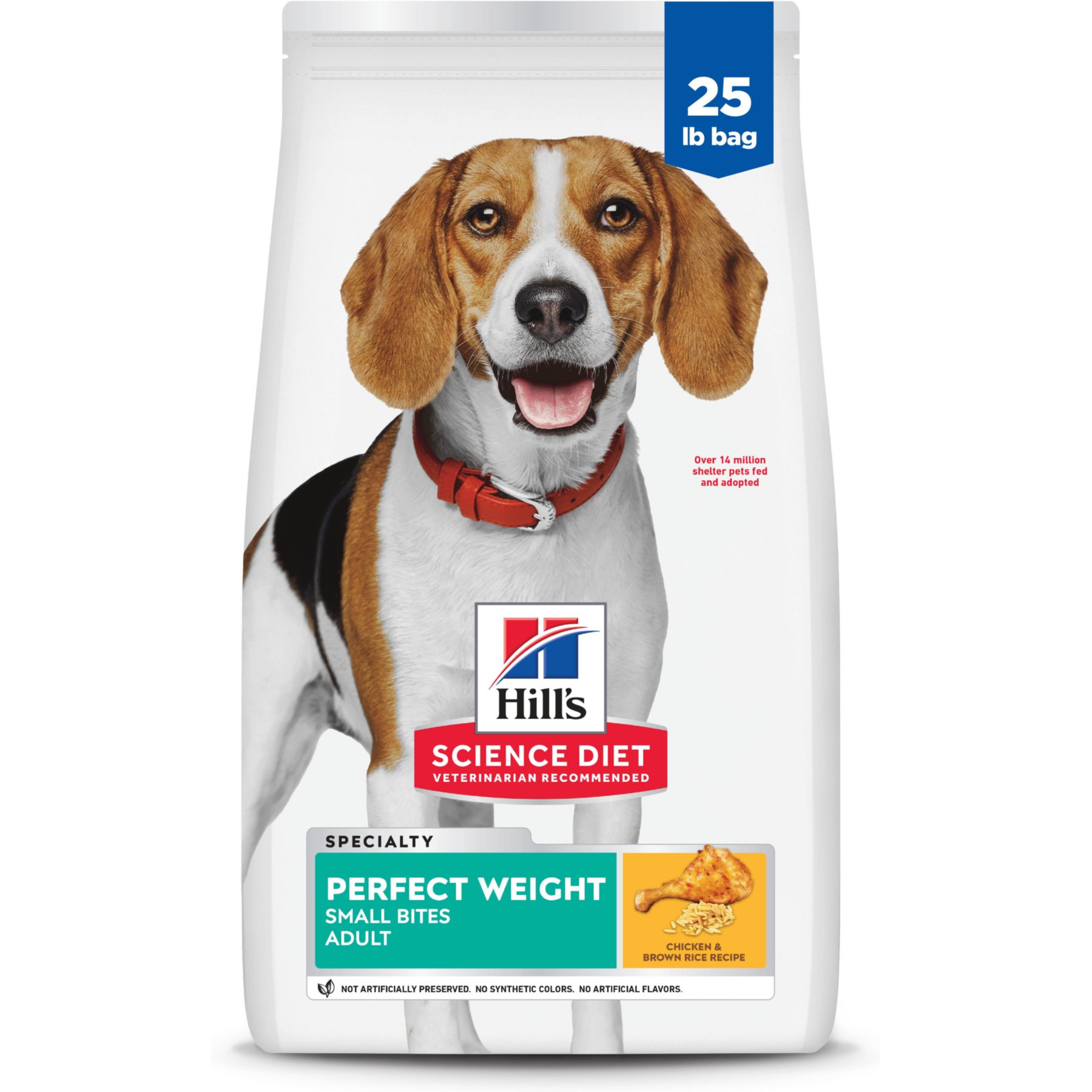
Hill's Science Diet Perfect Weight & Joint Support (Large Breed)
- Rating: 4.80/5
- Contains omega-3 EPA from fish oil
- Supports healthy joints and mobility
- Weight management benefits
Feeding Guidelines
| Weight | Daily Amount (Adult) | Activity Level |
|---|---|---|
| 50-60 lbs | 2.5 - 3 cups | Moderate |
| 60-75 lbs | 3 - 3.5 cups | Moderate |
| 75-90 lbs | 3.5 - 4.5 cups | Moderate |
Working/Active GSDs: Increase portions by 25-40% Senior GSDs: Decrease by 15-25% as activity decreases
Feeding Tips for German Shepherds
- Feed multiple small meals: 2-3 meals daily reduces bloat risk
- Use a slow-feeder bowl: GSDs often eat quickly; slowing them down prevents digestive issues
- Don't exercise immediately after eating: Wait at least 1 hour to reduce bloat risk
- Elevate food bowls slightly: May help with digestion and reduce air intake
- Maintain consistent meal times: Helps regulate digestion
- Avoid stress during meals: A calm eating environment aids digestion
Preventing Bloat (GDV)
German Shepherds are among the breeds at highest risk for bloat, a life-threatening condition. Dietary practices that may help:
- Feed 2-3 smaller meals instead of one large meal
- Use slow-feeder bowls to prevent rapid eating
- Avoid elevated bowls (research is mixed on this)
- Don't exercise vigorously before or after meals
- Ensure fresh water is always available, but monitor gulping
- Consider a food with moderate fat content
- Some owners add water to kibble and wait before feeding
Life Stage Considerations
German Shepherd Puppies
- Feed large breed puppy formula until 12-18 months
- Controlled calcium and phosphorus for proper bone development
- 3-4 meals daily until 4 months, then 3 meals until 6 months, then 2 meals
- Avoid overfeeding—rapid growth increases hip dysplasia risk
Adult German Shepherds (2-7 years)
- Large breed adult formula
- Focus on digestive health and joint support
- Monitor weight carefully
- Regular joint health assessments
Senior German Shepherds (7+ years)
- Consider senior formula with enhanced joint support
- Glucosamine and chondroitin become more critical
- May need more digestible protein
- Reduced calories for less active seniors
- Consider cognitive support supplements
Addressing Common GSD Digestive Issues
German Shepherds are notorious for digestive sensitivity. Signs to watch for:
- Loose stools or diarrhea
- Excessive gas
- Vomiting
- Poor coat condition
- Low energy despite adequate feeding
Dietary Solutions
- Switch to easily digestible formulas: Look for "highly digestible" or "sensitive stomach" labels
- Try a limited ingredient diet: Fewer ingredients mean fewer potential triggers
- Add probiotics: Either in food or as a supplement
- Consider novel proteins: Fish, duck, or venison if chicken or beef cause issues
- Ensure gradual food transitions: Take 10-14 days when switching foods
Frequently Asked Questions
Why does my German Shepherd have such a sensitive stomach?
German Shepherds have a genetic predisposition to digestive issues. Their digestive tracts may produce fewer digestive enzymes and have different gut bacteria compositions. Some GSDs also develop exocrine pancreatic insufficiency (EPI). If digestive issues persist, consult your vet.
How much should I feed my German Shepherd?
Adult German Shepherds typically need 1,400-2,200 calories daily depending on size, activity level, and metabolism. This usually translates to 3-4 cups of dry food daily for moderately active adults, split into 2-3 meals.
Should I feed my German Shepherd grain-free food?
For most German Shepherds, grain-free food isn't necessary and may pose health risks. The FDA has investigated links between grain-free diets and heart disease in dogs. However, if your GSD has a diagnosed grain allergy, work with your vet to find appropriate alternatives.
My German Shepherd has hip dysplasia. What should I feed?
Choose foods with added glucosamine (minimum 300-500mg/kg) and chondroitin. Omega-3 fatty acids from fish oil also support joint health. Maintaining a lean body weight is crucial—even a few extra pounds significantly stress joints. Consider joint supplements in addition to joint-supporting food.
Is raw food good for German Shepherds?
Some GSD owners report success with raw diets, particularly for digestive issues. However, raw diets carry risks including bacterial contamination and nutritional imbalance if not properly formulated. If considering raw feeding, consult with a veterinary nutritionist.
Related Resources
- Feeding Calculator - Calculate exact calorie needs for your GSD
- Large Breed Dog Food - More large breed options
- Dog Food for Sensitive Stomach - Digestive health options
- Dog Food for Joint Health - Joint support formulas
- Compare Dog Foods - Side-by-side product comparison