Best Dog Food for Dry Skin in 2026

Dry, flaky skin is uncomfortable for your dog and often signals nutritional deficiencies or environmental factors. The right diet rich in essential fatty acids and quality ingredients can restore your dog's skin health from the inside out.

Understanding Dry Skin in Dogs

Dry skin (xerosis) in dogs can range from mild flakiness to severe dryness with cracking and discomfort. It's often a sign that something is missing in their diet or environment.

Signs of Dry Skin

  • Visible flaking or dandruff
  • Dull, lackluster coat
  • Itching and scratching
  • Rough or scaly patches
  • Hair loss in affected areas
  • Redness or irritation
  • Brittle or coarse coat texture

Common Causes

  • Nutritional deficiencies: Lacking essential fatty acids
  • Low-quality diet: Insufficient nutrients
  • Environmental factors: Low humidity, dry climate
  • Over-bathing: Strips natural oils
  • Allergies: Food or environmental
  • Parasites: Fleas, mites
  • Underlying health issues: Thyroid problems, autoimmune conditions
  • Age: Senior dogs often have drier skin

Key Nutrients for Healthy Skin

Omega-3 Fatty Acids (EPA/DHA)

  • Most important for dry skin
  • Anti-inflammatory properties
  • Support skin barrier function
  • Found in fish oil, salmon, flaxseed

Omega-6 Fatty Acids

  • Support skin structure
  • Work with omega-3s
  • Found in chicken fat, vegetable oils

Proper Omega Balance

  • Both omega-3 and omega-6 needed
  • Many diets have excess omega-6
  • Added fish oil can help balance

Other Important Nutrients

  • Zinc: Essential for skin health
  • Vitamin E: Antioxidant, skin protection
  • Vitamin A: Skin cell production
  • Biotin: Supports skin and coat
  • Protein: Building block for skin

What to Look for in Food for Dry Skin

Must-Have Features

  • High omega-3 content (EPA/DHA)
  • Fish or fish oil in ingredients
  • Quality protein sources
  • No artificial additives
  • Complete and balanced nutrition

Ideal Ingredients

  • Salmon or other fish as main protein
  • Fish oil or salmon oil added
  • Flaxseed (plant omega-3s)
  • Chicken fat (omega-6s)
  • Sweet potatoes (vitamin A)
  • Eggs (biotin, protein)

What to Avoid

  • Foods with no added omega fatty acids
  • Artificial colors and preservatives
  • Low-quality protein sources
  • Excessive fillers

Top Recommended Products

Fish-Based Formulas (Best for Dry Skin)

Purina Pro Plan Sensitive Skin & Stomach (Salmon)

  • Rating: 4.71/5
  • Salmon as first ingredient
  • Rich in omega fatty acids
  • Oatmeal for skin health
  • Zinc and vitamin E added

Wellness CORE Ocean

  • Fish-based formula
  • High omega-3 content
  • Grain-free option
  • Quality ingredients

Quality Adult Formulas

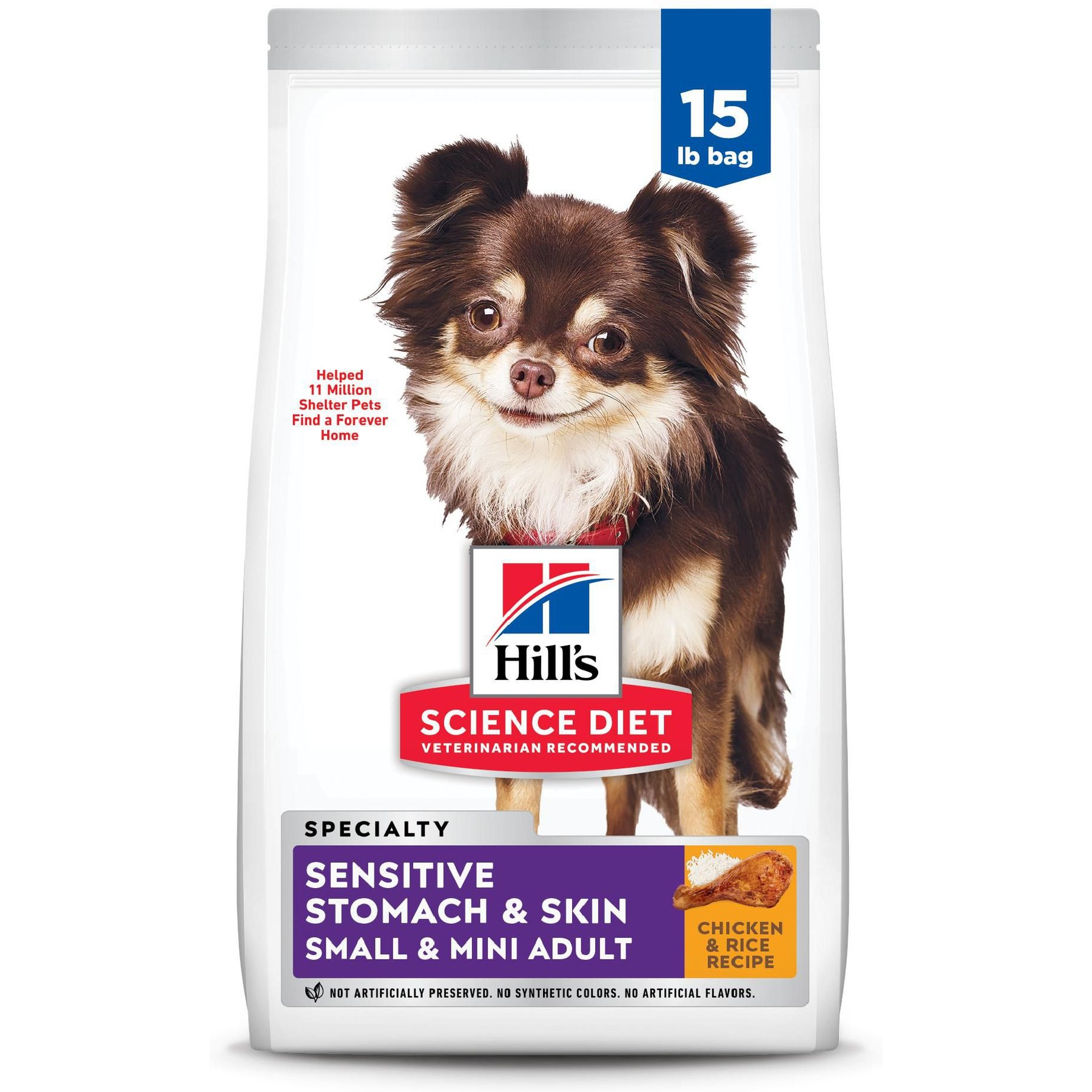
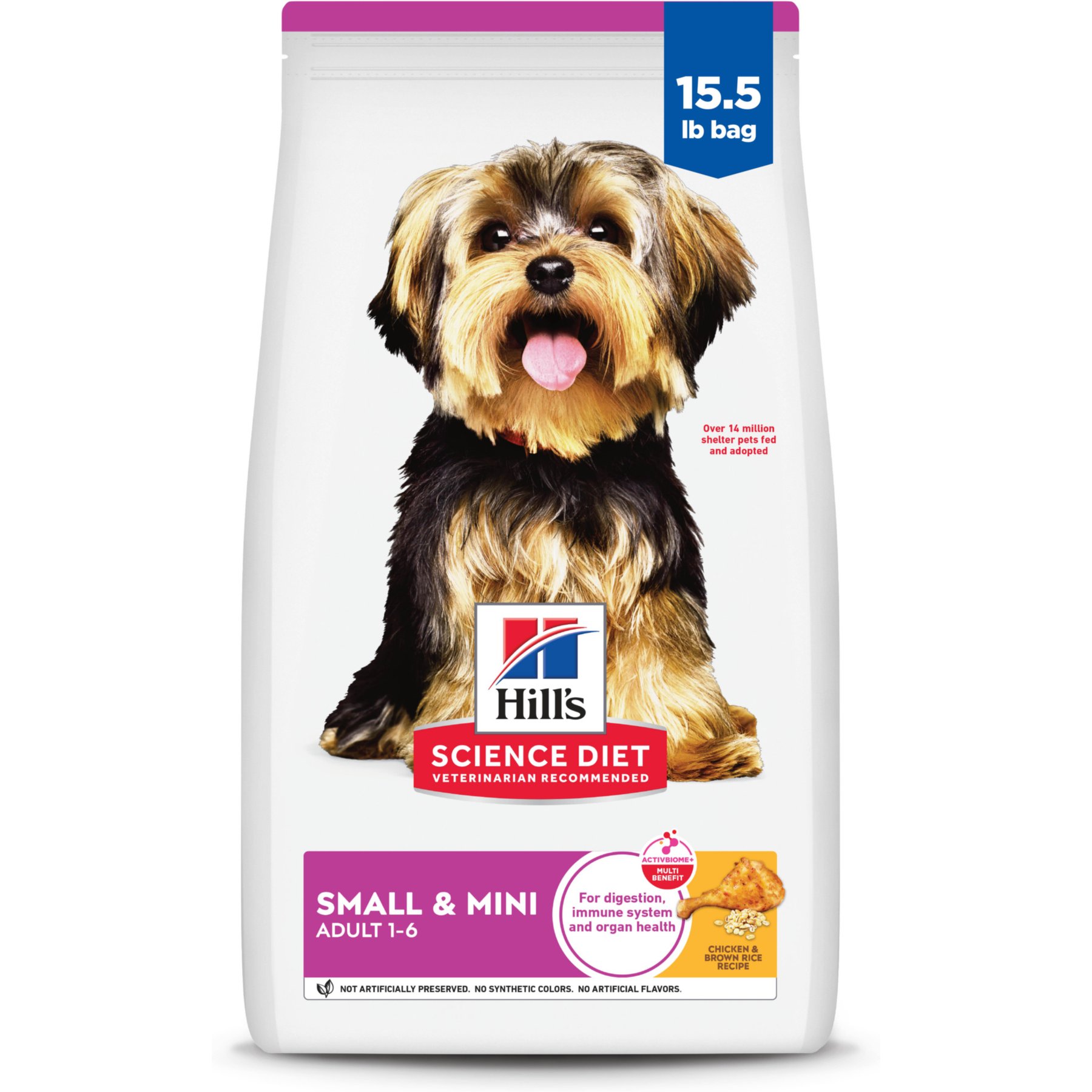
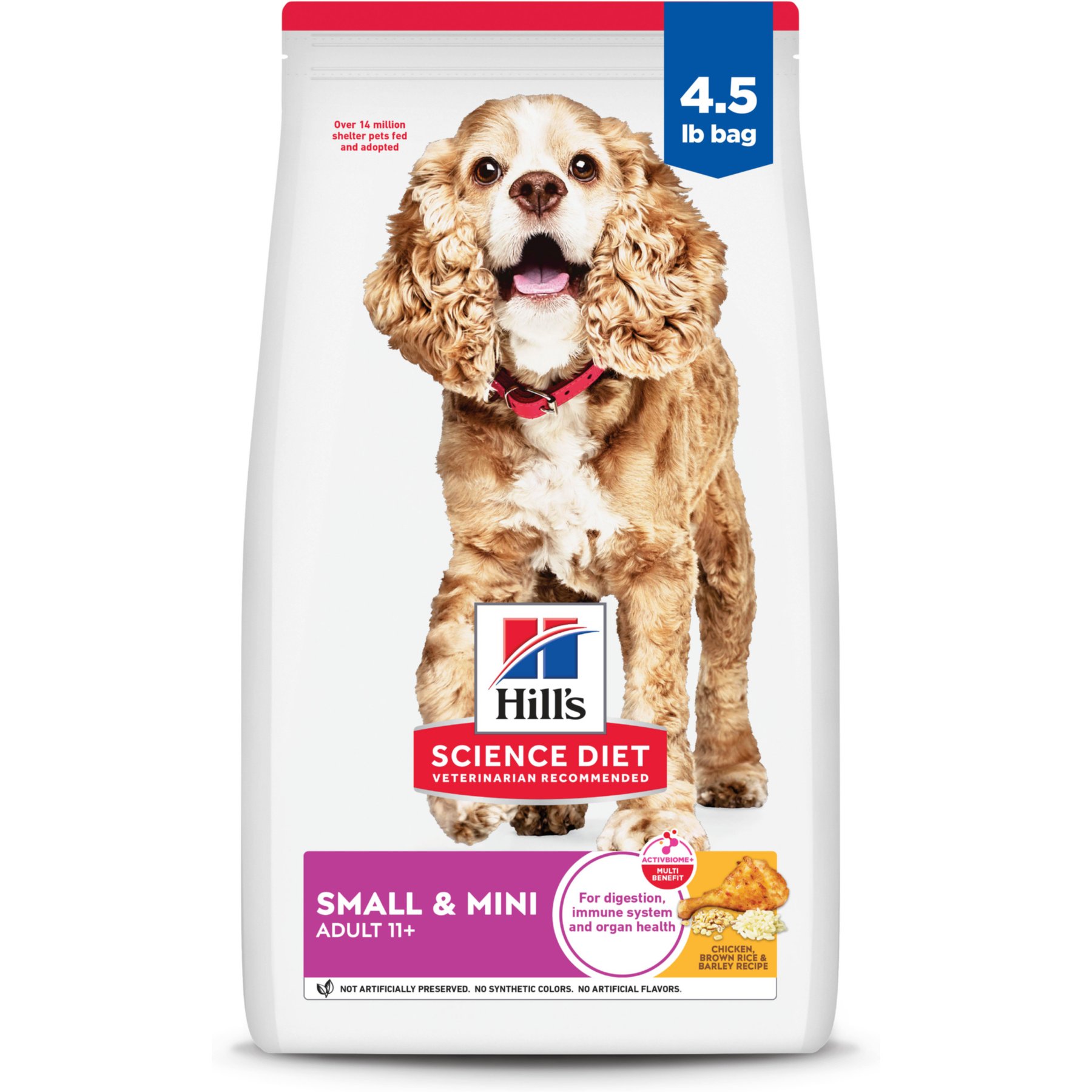
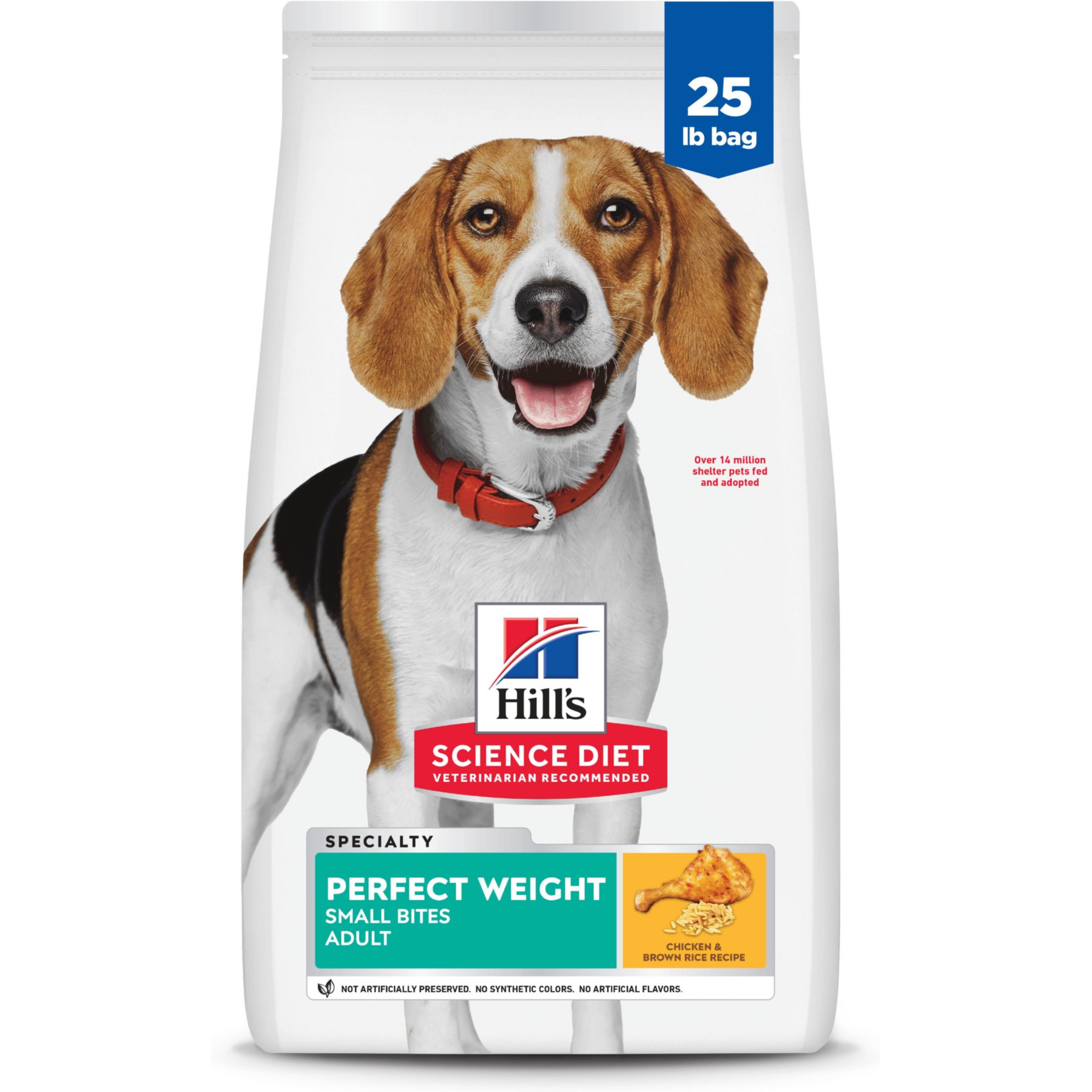
Hill's Science Diet Sensitive Stomach & Skin

  • Omega-6 fatty acids for skin
  • Vitamin E included
  • Prebiotic fiber
  • Made in the USA

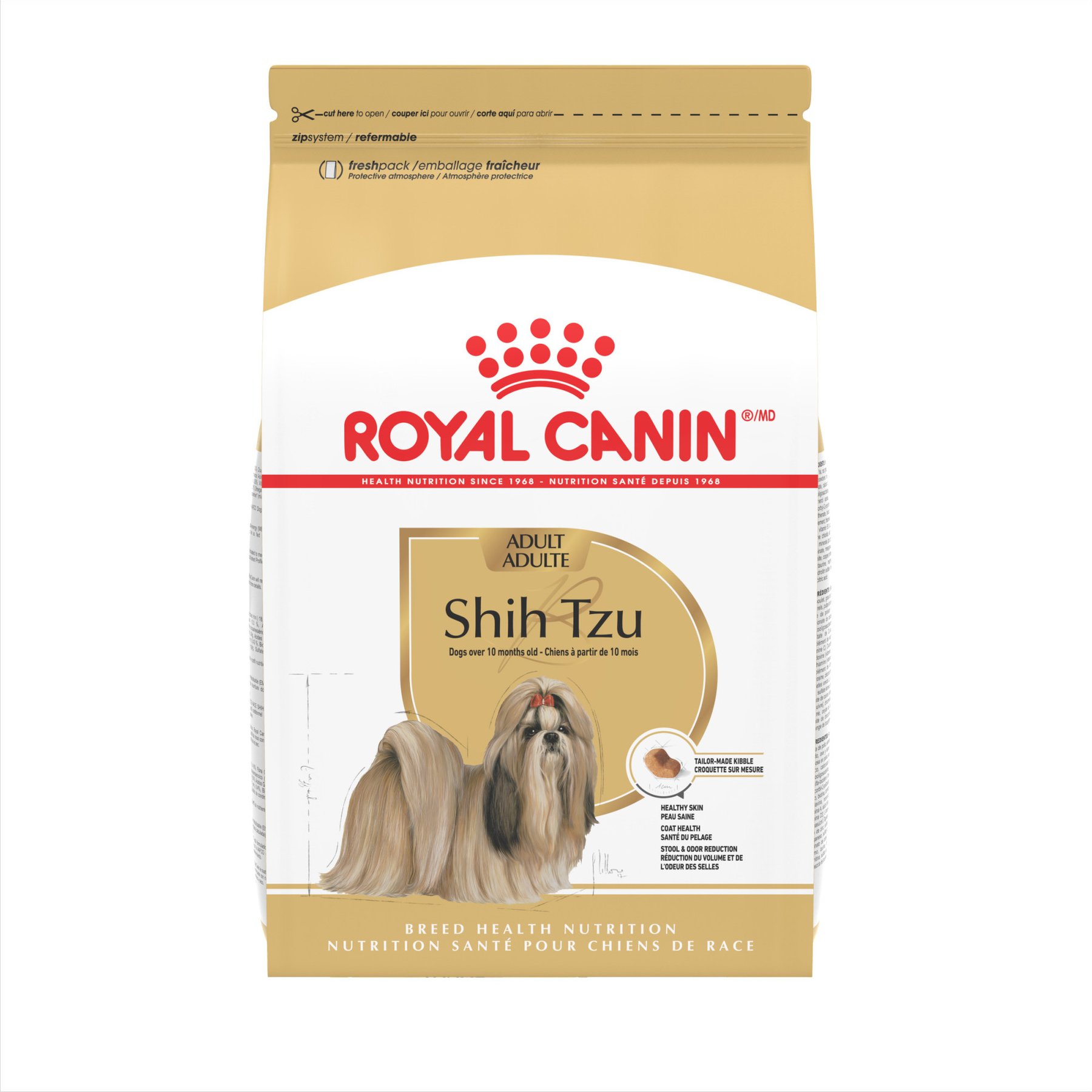
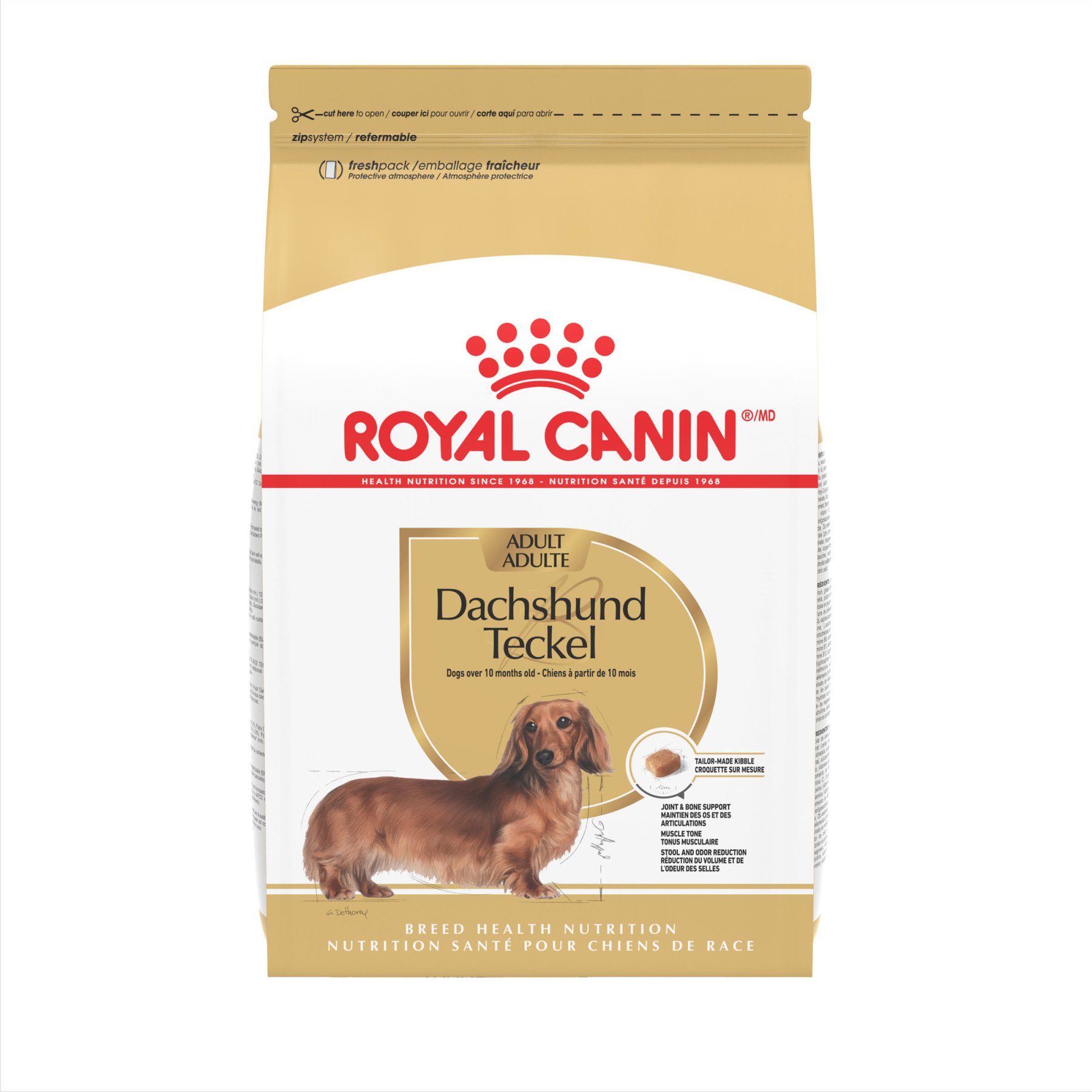
Royal Canin Dermacomfort

  • Specifically for skin health
  • EPA/DHA fatty acids
  • Supports skin barrier
  • Multiple size options

Prescription Options

For severe dry skin:

Royal Canin Veterinary Diet Skin Support

  • High EPA/DHA content
  • Supports skin barrier
  • Veterinary recommended

Feeding Tips for Dry Skin

Dietary Strategies

  1. Choose fish-based food: Natural omega-3 source
  2. Add fish oil supplement: Extra omega-3s
  3. Ensure quality protein: Supports skin health
  4. Provide fresh water: Hydration matters
  5. Feed consistently: Same food, same schedule

Fish Oil Supplementation

If dry skin persists despite good diet:

  • Use fish oil made for pets
  • Follow dosage guidelines
  • Start with lower dose
  • Can take 4-6 weeks to see results

Dosage Guidelines (Consult Vet)

  • Small dogs: 500-1000mg fish oil daily
  • Medium dogs: 1000-2000mg daily
  • Large dogs: 2000-4000mg daily

Beyond Diet: Skin Care

Bathing Practices

  • Don't over-bathe (strips oils)
  • Use moisturizing dog shampoo
  • Oatmeal shampoos soothe dry skin
  • Rinse thoroughly
  • Consider leave-in conditioner

Environmental Factors

  • Use humidifier in dry climates
  • Protect from extreme weather
  • Provide shade outdoors
  • Keep indoor air quality good

Regular Grooming

  • Brushing distributes natural oils
  • Removes dead skin and hair
  • Stimulates oil production
  • Allows monitoring of skin condition

When to See a Vet

Consult your veterinarian if:

  • Dry skin persists despite dietary changes
  • Severe flaking or scaling
  • Open sores or wounds
  • Hair loss
  • Signs of infection
  • Excessive scratching
  • Behavioral changes

Frequently Asked Questions

How long until diet improves dry skin?

Improvement typically begins in 4-6 weeks with appropriate diet and fatty acid supplementation. Full coat renewal takes 3-4 months. Be patient—skin health improves from the inside out.

Is fish oil safe for all dogs?

Fish oil is generally safe for most dogs. However, dogs on blood thinners, with certain health conditions, or scheduled for surgery should consult their vet first. Start with lower doses and increase gradually.

Can I give my dog coconut oil for dry skin?

Coconut oil can be applied topically for some relief, but it's not a substitute for dietary omega-3s. Coconut oil contains saturated fats, not the EPA/DHA omega-3s that truly support skin health. Use it as a complement, not replacement.

Why does my dog have dry skin in winter?

Indoor heating reduces humidity, drying out skin. Cold outdoor air also has less moisture. Combat this with a humidifier, reduced bathing frequency, and possibly increased fish oil supplementation during winter months.

Should I switch to grain-free for dry skin?

Not necessarily. Grain allergies are rare in dogs. If dry skin is due to food allergy, the protein source (chicken, beef) is more likely the culprit than grains. Focus on omega fatty acid content rather than grain-free status.

Related Resources

Recommended Products