Best Dog Food for Diarrhea Prevention 2026
Chronic diarrhea requires dietary management. Foods with easily digestible ingredients, proper fiber balance, and probiotics help firm up stools and restore digestive health.
Understanding Diarrhea Prevention
Chronic diarrhea requires dietary management. Foods with easily digestible ingredients, proper fiber balance, and probiotics help firm up stools and restore digestive health.
Finding the right food can make a significant difference in your dog's comfort and quality of life. We've analyzed foods to help you find the best options for dogs dealing with diarrhea prevention.
What to look for
- • Highly digestible protein sources
- • Soluble fiber (pumpkin, beet pulp)
- • Added probiotics
- • Limited ingredients
- • No common allergens if sensitivity suspected
Things to consider
- • Rule out medical causes with your vet
- • Transition to new food very gradually
- • Avoid fatty foods and table scraps
- • Ensure adequate hydration
- • Consider pumpkin as a supplement
How to Choose Food for Diarrhea Prevention
Step 1: Consult Your Veterinarian
Always work with your vet to understand your dog's specific needs and rule out underlying conditions that may require medical treatment alongside dietary changes.
Step 2: Look for Key Ingredients
Highly digestible protein sources. Soluble fiber (pumpkin, beet pulp). Added probiotics.
Step 3: Transition Gradually
When switching foods, transition over 7-10 days by gradually mixing new food with old. Monitor your dog's response and adjust as needed.
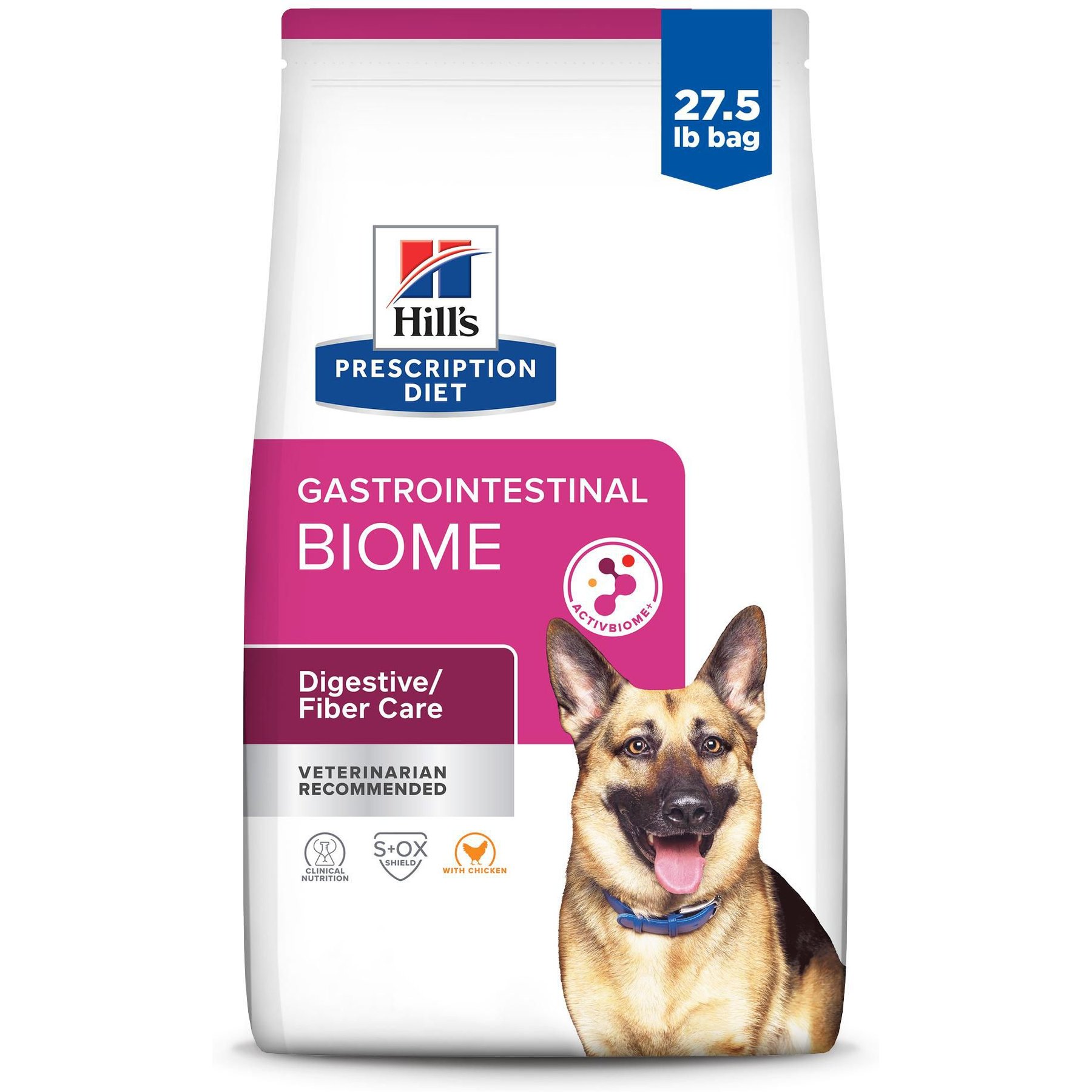
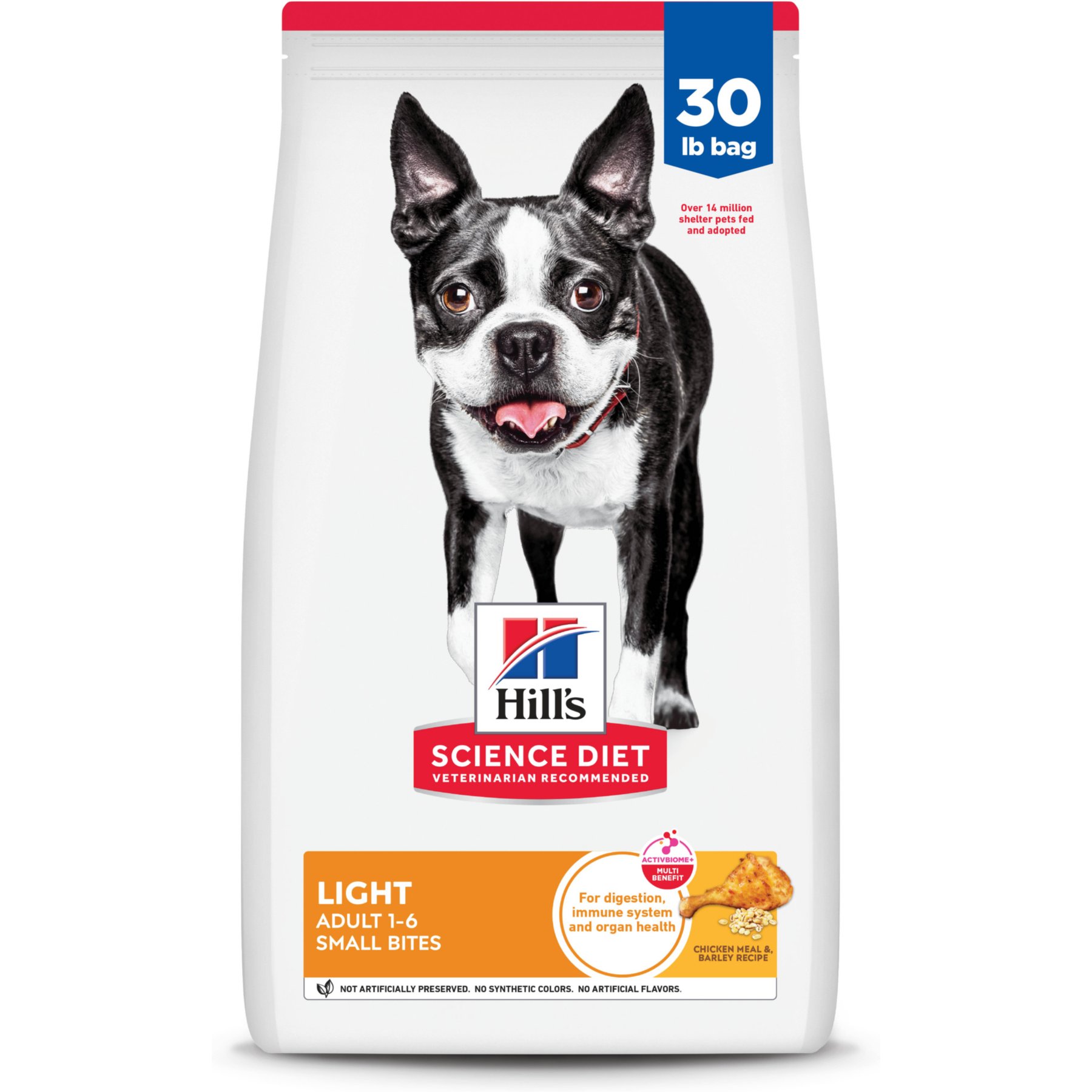
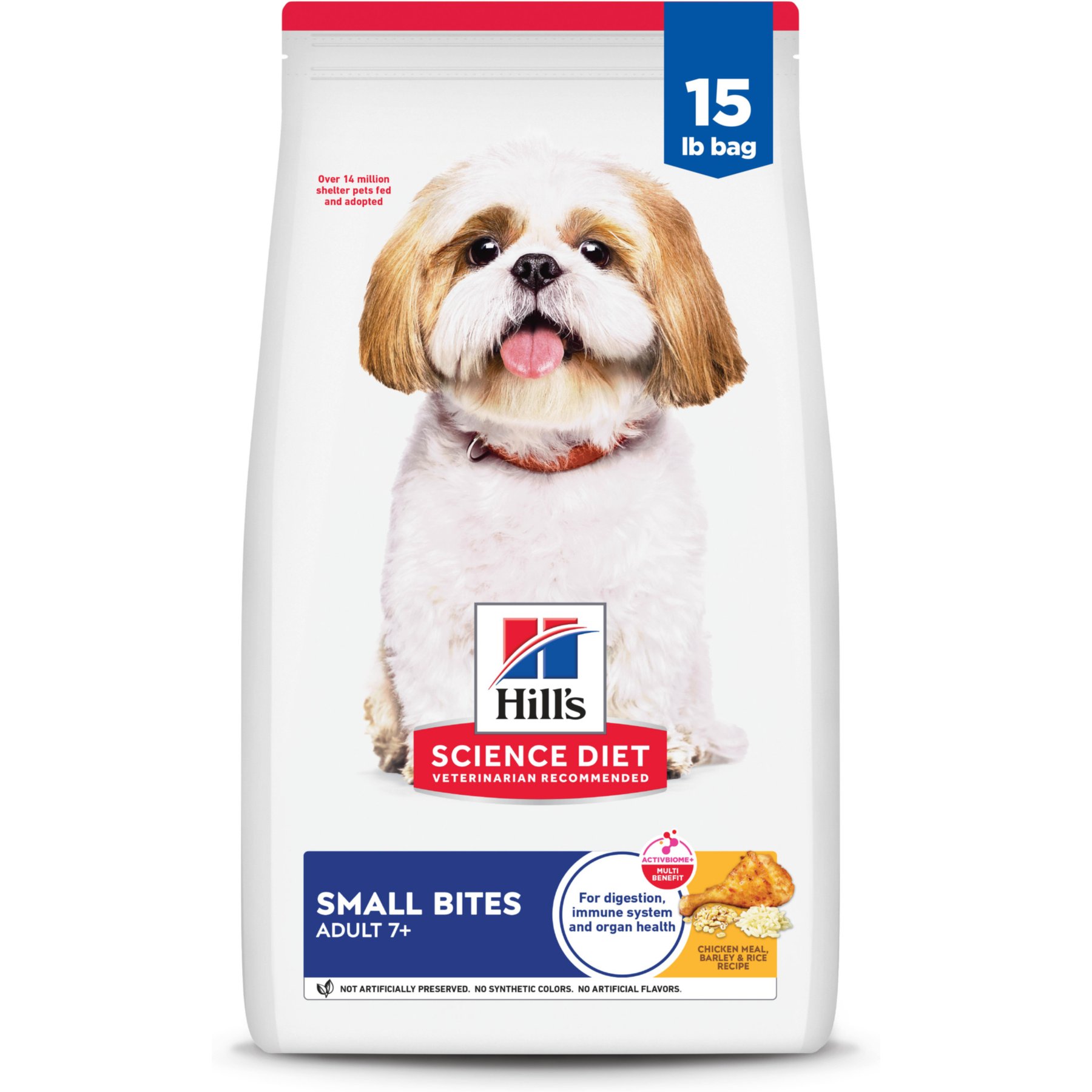
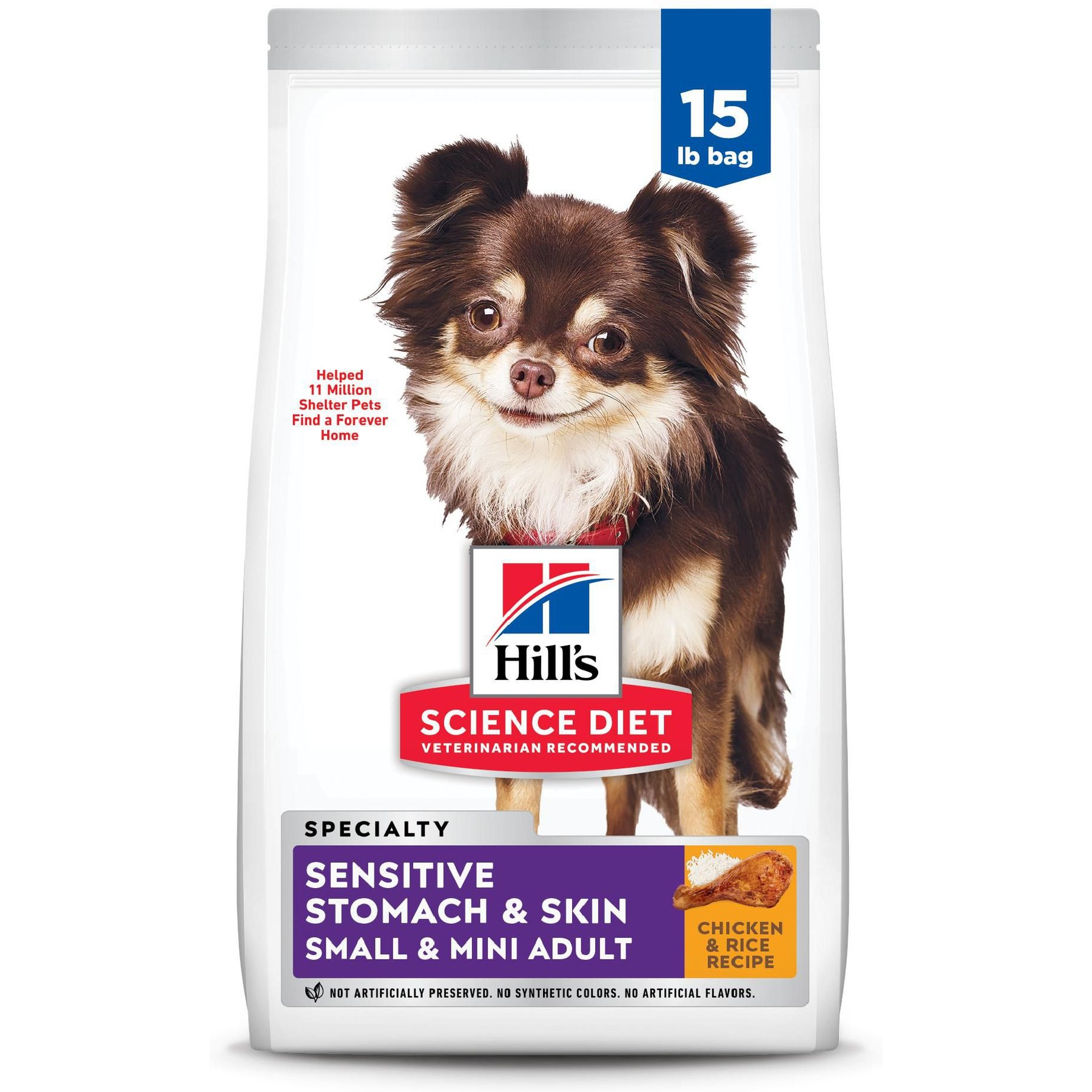
Top-Rated Dog Food for Diarrhea Preventions



Frequently Asked Questions
What foods help firm up dog stools?
Foods high in digestible fiber (pumpkin, sweet potato), moderate fat, and quality protein help. Probiotics also support healthy digestion. Avoid rich, fatty foods.
Should I fast my dog during diarrhea?
A 12-24 hour fast can help rest the digestive system for acute cases. Always provide water. For chronic diarrhea, work with your vet rather than fasting repeatedly.
When should I see a vet about diarrhea?
See a vet if diarrhea lasts more than 2 days, contains blood, is accompanied by vomiting, lethargy, or your dog won't eat/drink. Puppies and seniors should be seen sooner.