Best Dog Food for Dental Health in 2026

Dental disease affects over 80% of dogs by age three, making it the most common health problem in pets. The right diet can help reduce plaque and tartar buildup, supporting your dog's oral health between professional cleanings.

Understanding Canine Dental Health

Poor dental health in dogs isn't just about bad breath—it can lead to serious systemic health issues.

Common Dental Problems

  • Plaque and tartar buildup
  • Gingivitis (gum inflammation)
  • Periodontal disease
  • Tooth decay
  • Tooth loss
  • Oral infections

Why Dental Health Matters

  • Bacteria from dental disease can enter bloodstream
  • Linked to heart, kidney, and liver problems
  • Causes pain affecting eating and quality of life
  • May contribute to shorter lifespan

Signs of Dental Problems

  • Bad breath (halitosis)
  • Yellow or brown teeth
  • Red, swollen, or bleeding gums
  • Difficulty eating
  • Dropping food while eating
  • Pawing at mouth
  • Reluctance to chew
  • Weight loss

How Food Affects Dental Health

Mechanical Cleaning

  • Crunchy kibble can help scrape plaque off teeth
  • Larger kibble encourages chewing
  • Some dental formulas have special textures

Nutritional Support

  • Certain ingredients reduce tartar formation
  • Some foods contain antimicrobial agents
  • Proper nutrition supports gum health

What to Look for in Dental-Friendly Dog Food

Features That Help

  • VOHC (Veterinary Oral Health Council) seal
  • Larger kibble for mechanical cleaning
  • Crunchy texture
  • Special coating to reduce tartar
  • Appropriate calcium levels

VOHC Seal

The VOHC seal indicates the product has been proven to reduce plaque or tartar. Look for this seal on dental foods.

Top Recommended Products

Dental-Specific Formulas

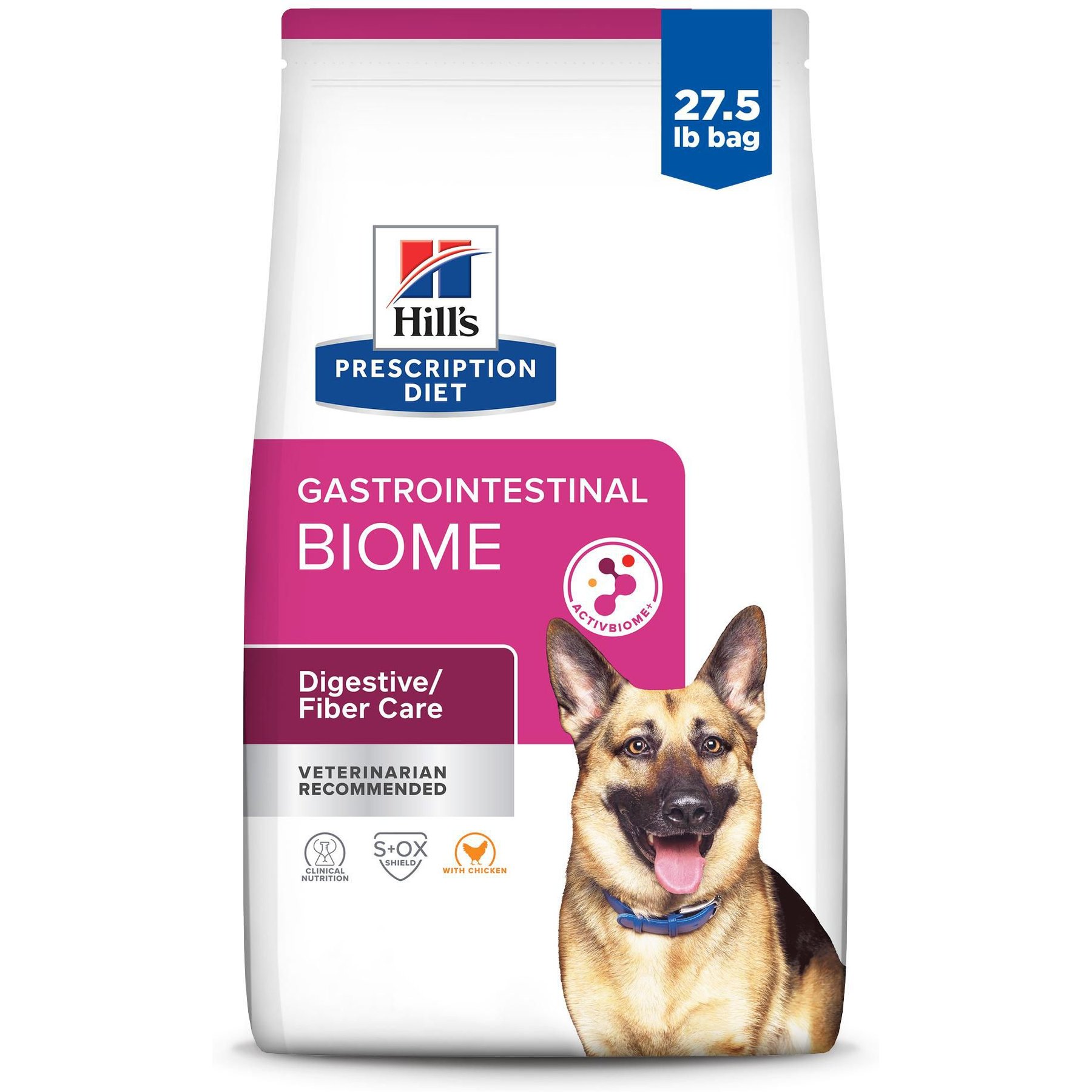
Hill's Prescription Diet t/d

  • VOHC accepted
  • Large kibble scrubs teeth with each bite
  • Reduces plaque and tartar
  • Complete nutrition
  • Veterinary recommended

Hill's Science Diet Oral Care

  • Clinically proven to reduce tartar
  • Interlocking fiber technology
  • Complete nutrition for adult dogs

Quality Dry Kibble Options

Most quality dry kibble provides some dental benefit through chewing:

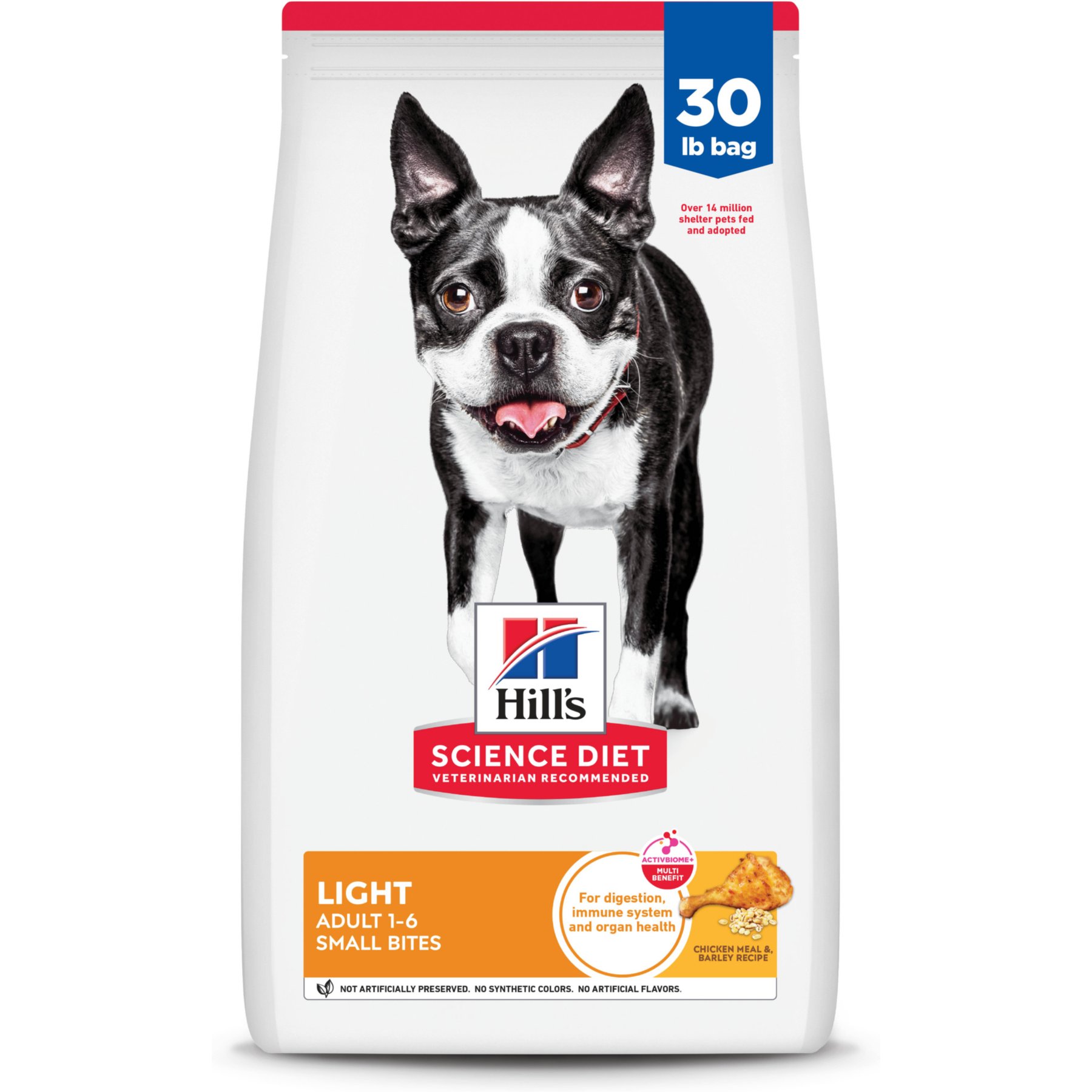
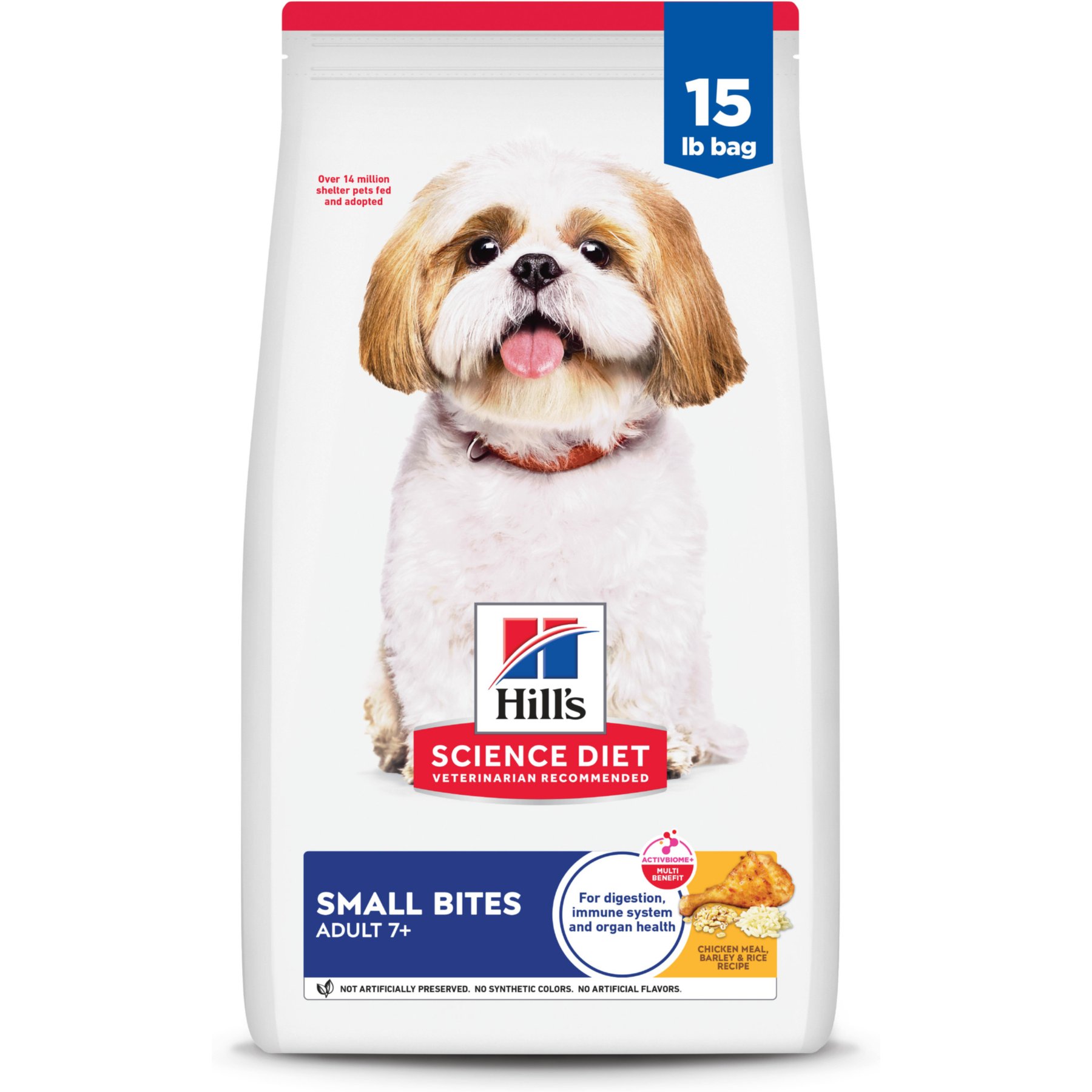
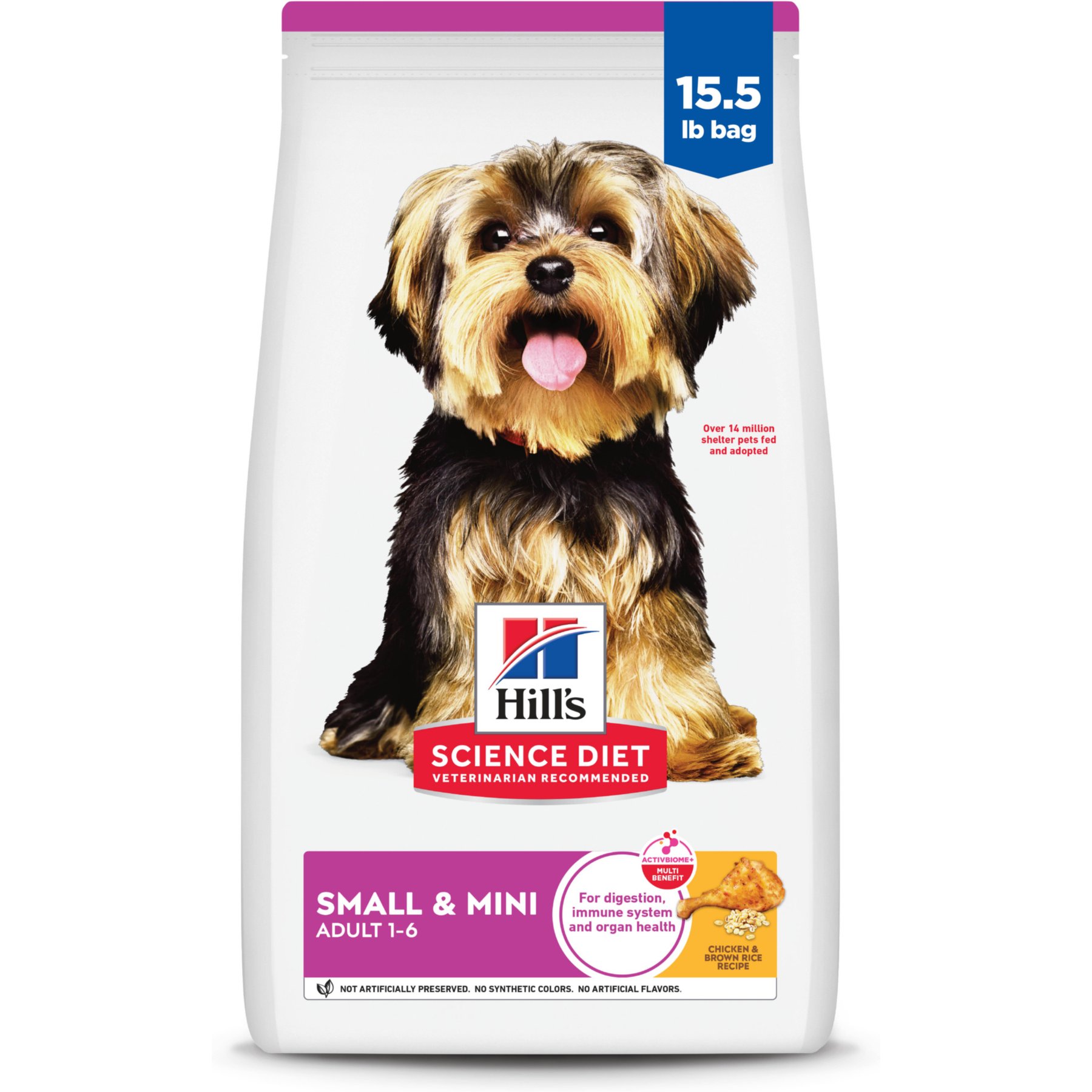
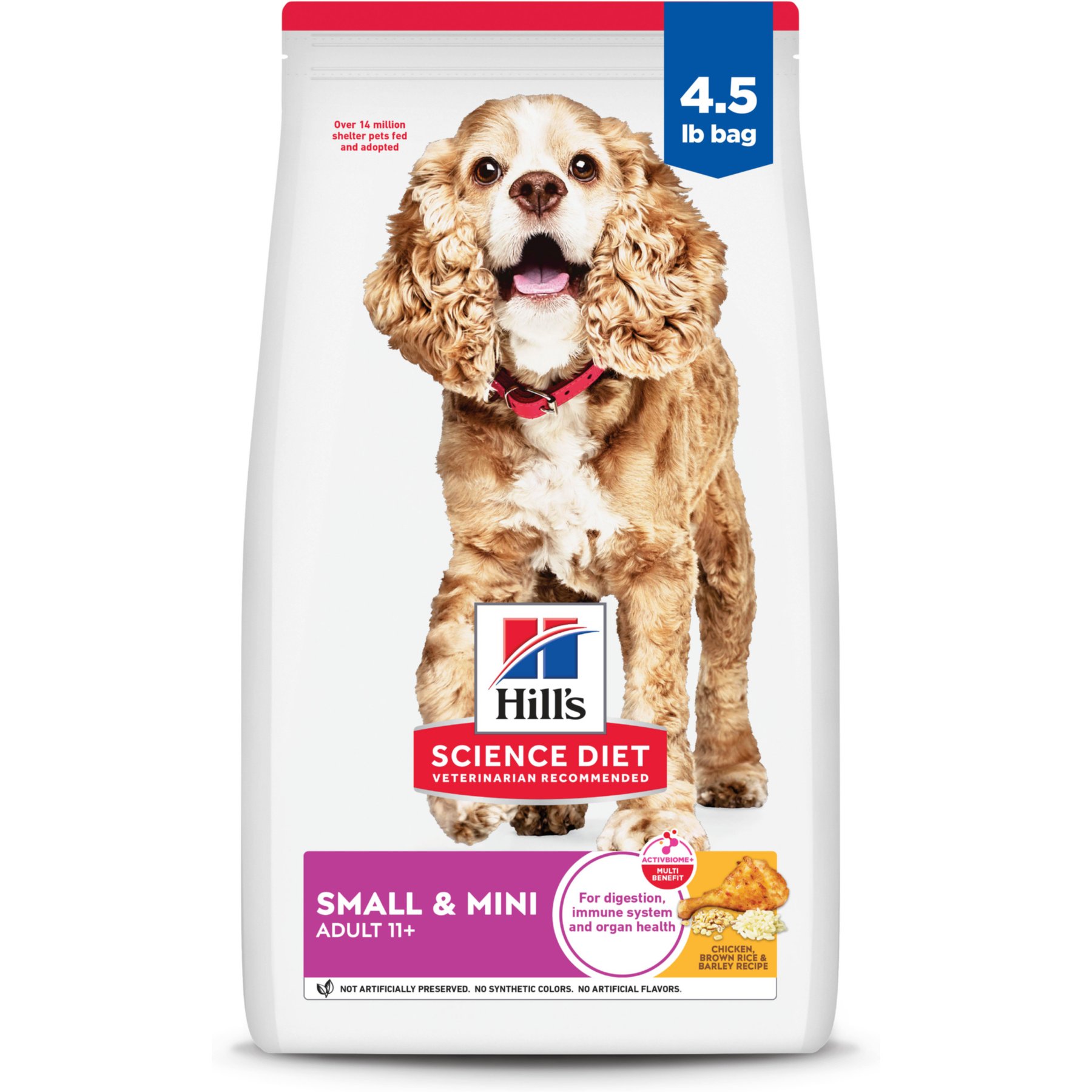
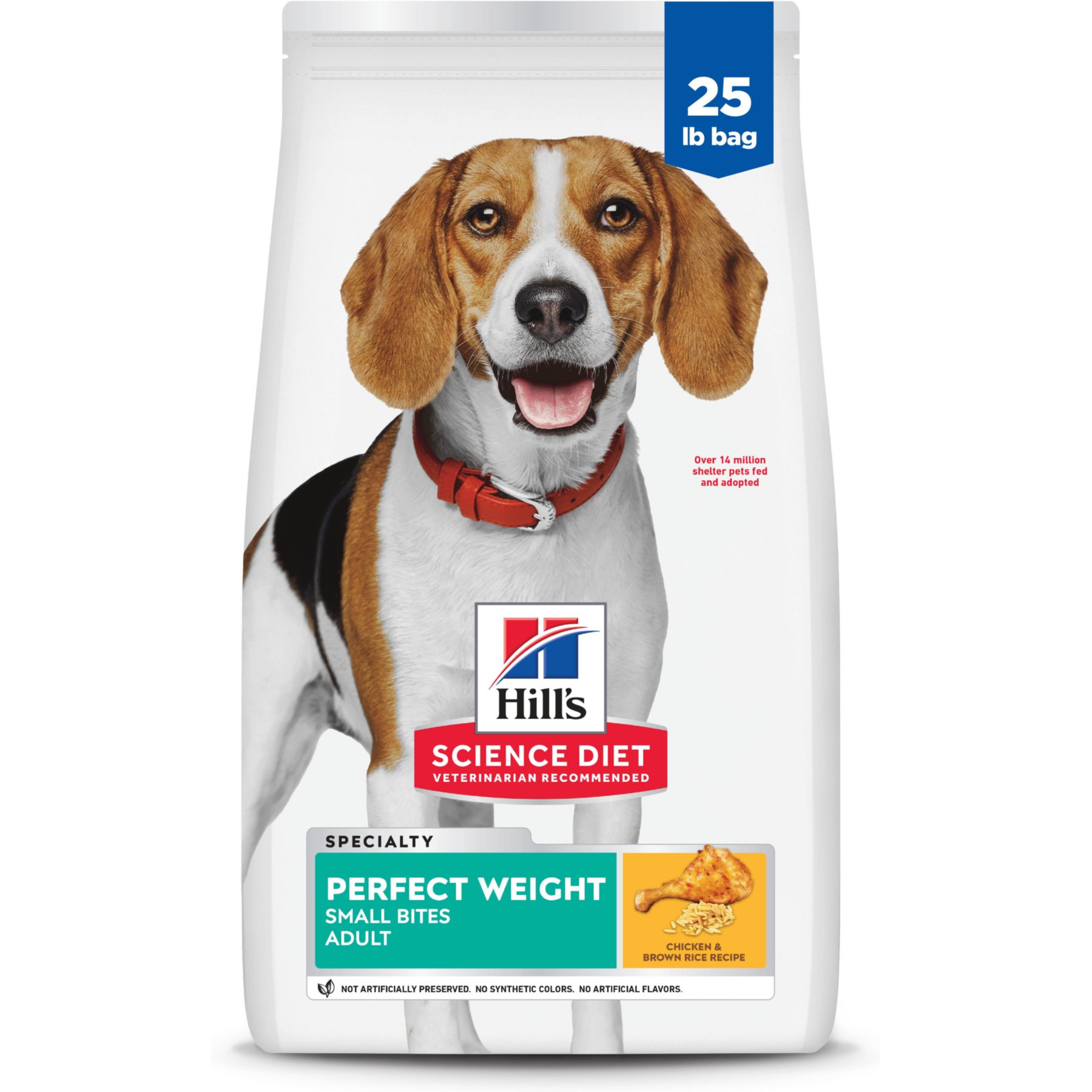
Hill's Science Diet Adult

  • Crunchy texture
  • Quality ingredients
  • Multiple size options

Purina Pro Plan Adult

  • Crunchy kibble
  • Complete nutrition
  • Available in various sizes

Kibble Size and Chewing

Why Size Matters

  • Larger kibble encourages more chewing
  • Small kibble may be swallowed whole
  • Match kibble size to your dog's size
  • Chewing action helps clean teeth

Choosing the Right Size

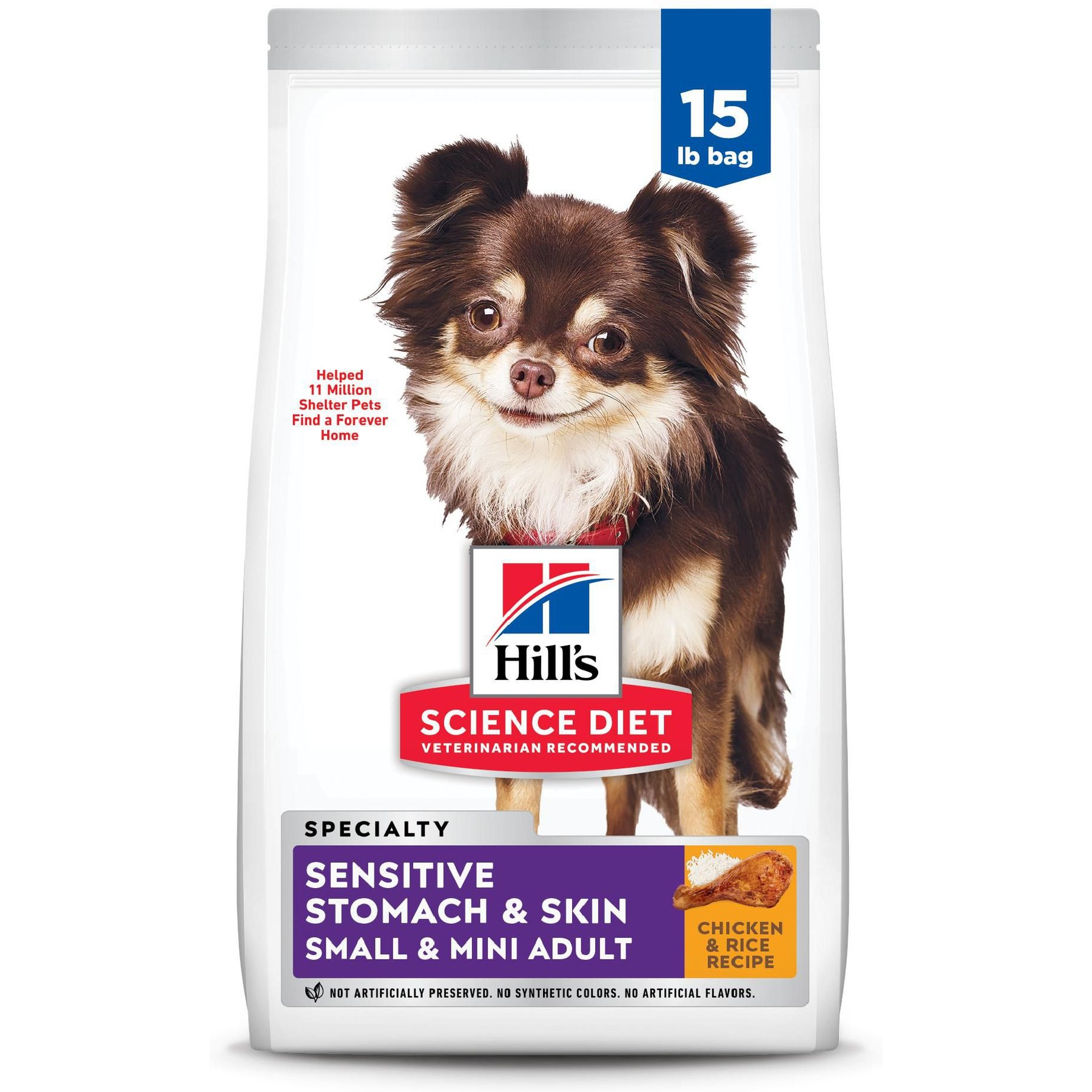
  • Small breeds: Small breed formulas
  • Medium breeds: Standard adult formulas
  • Large breeds: Large breed formulas
  • Dental formulas often have larger kibble

The Wet Food Question

Wet Food and Dental Health

Wet food doesn't provide the mechanical cleaning of kibble. However:

  • Quality of nutrition is more important overall
  • Wet food isn't bad for teeth—it just doesn't clean them
  • Dogs on wet food need other dental care

Combining Wet and Dry

Many owners use mostly dry food with occasional wet food—this provides dental benefits while offering variety.

Beyond Diet: Complete Dental Care

Diet alone isn't enough for optimal dental health.

Daily Care

  • Brush teeth daily (or as often as possible)
  • Use dog-safe toothpaste
  • Start when young if possible
  • Even brief brushing helps

Dental Treats and Chews

  • VOHC-approved dental chews
  • Raw bones (consult your vet)
  • Dental toys
  • Avoid treats that can break teeth

Professional Care

  • Annual dental exams
  • Professional cleanings as recommended
  • X-rays to check for hidden problems
  • Address issues early

Frequently Asked Questions

Can dog food really clean teeth?

Crunchy kibble provides some mechanical cleaning through chewing, and VOHC-approved dental foods are clinically proven to reduce plaque and tartar. However, food alone isn't enough—regular brushing and professional care are still important.

Is dry food better than wet food for dental health?

Dry food does provide more mechanical cleaning than wet food. However, the overall health benefits of wet food (hydration, palatability) may outweigh dental considerations for some dogs. The key is combining diet with other dental care practices.

How often should my dog have professional dental cleaning?

Most dogs benefit from annual cleanings, though some may need more frequent care. Your veterinarian can recommend a schedule based on your dog's individual needs. Small breeds often need more frequent cleanings.

My dog won't let me brush their teeth. What can I do?

Start slowly—just touching the mouth, then progressing to brushing. Use tasty dog toothpaste. Consider dental wipes, dental water additives, or dental treats as alternatives. Professional cleanings become even more important if brushing isn't possible.

Related Resources

Recommended Products