Dachshunds—affectionately known as "wiener dogs" or "doxies"—are beloved for their distinctive long bodies, short legs, and bold personalities. These small but mighty dogs have unique nutritional needs shaped by their elongated spine and tendency toward weight gain.
Nutritional Needs of Dachshunds
Dachshunds come in two sizes: Standard (16-32 lbs) and Miniature (under 11 lbs). Their unique body structure—long spine and short legs—makes weight management and joint support critical dietary priorities.
Key Nutritional Requirements
- Moderate protein (22-26%): Supports lean muscle without excess calories
- Controlled fat (10-15%): Critical for weight management—extra weight strains their backs
- Glucosamine and chondroitin: Supports spinal and joint health
- Calcium and phosphorus balance: Supports bone health
- L-carnitine: Aids fat metabolism and helps maintain lean body mass
- High-quality, digestible ingredients: Dachshunds can have sensitive stomachs
Common Health Concerns That Affect Diet
Dachshunds face several breed-specific health challenges:
- Intervertebral disc disease (IVDD): Their long spine is vulnerable; weight control is crucial
- Obesity: Extra weight significantly increases back injury risk
- Diabetes: More common in Dachshunds; weight management helps prevention
- Dental issues: Small mouths are prone to dental problems
- Hypoglycemia: Especially in Miniature Dachshunds
- Bloat: Less common than in large breeds but still a concern
What to Look for in Dachshund Food
Must-Have Features
- Small breed formula with appropriately sized kibble
- Weight management focus or moderate calorie content
- Joint support (glucosamine and chondroitin)
- High-quality animal protein as the first ingredient
- Omega fatty acids for skin and coat
- No artificial preservatives or colors
Ingredients to Avoid
- Excessive fat and calories
- Generic by-products
- Artificial additives
- Common allergens if sensitivities exist
Top Recommended Products
Based on our database analysis, these products are excellent choices for Dachshunds:
Breed-Specific Option
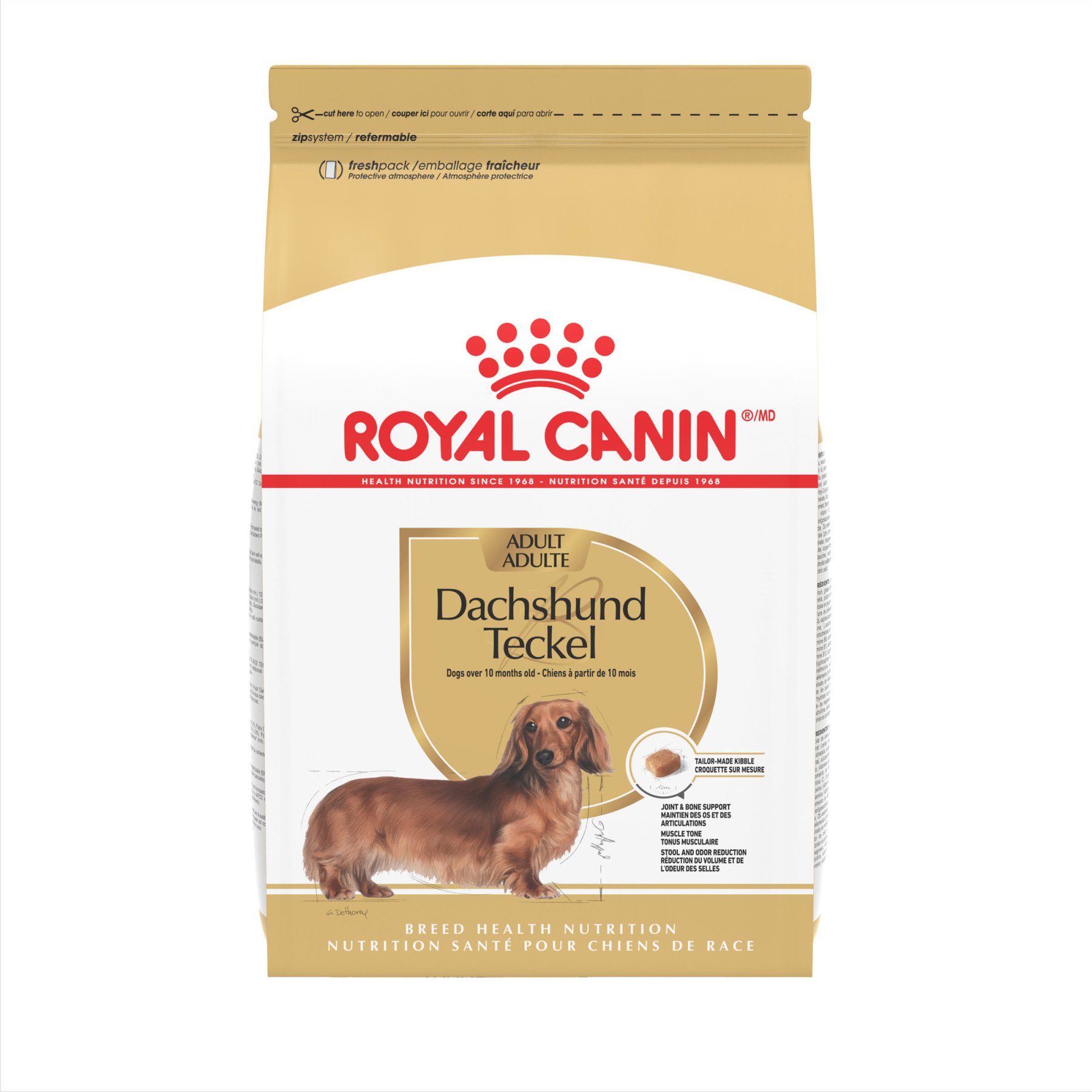
Royal Canin Breed Health Nutrition Dachshund Adult
- Rating: 4.79/5 from over 1,100 reviews
- Specifically designed for Dachshunds
- Kibble shape designed for Dachshund jaw structure
- Supports bone and joint health
- L-carnitine for weight management
Premium Small Breed Options
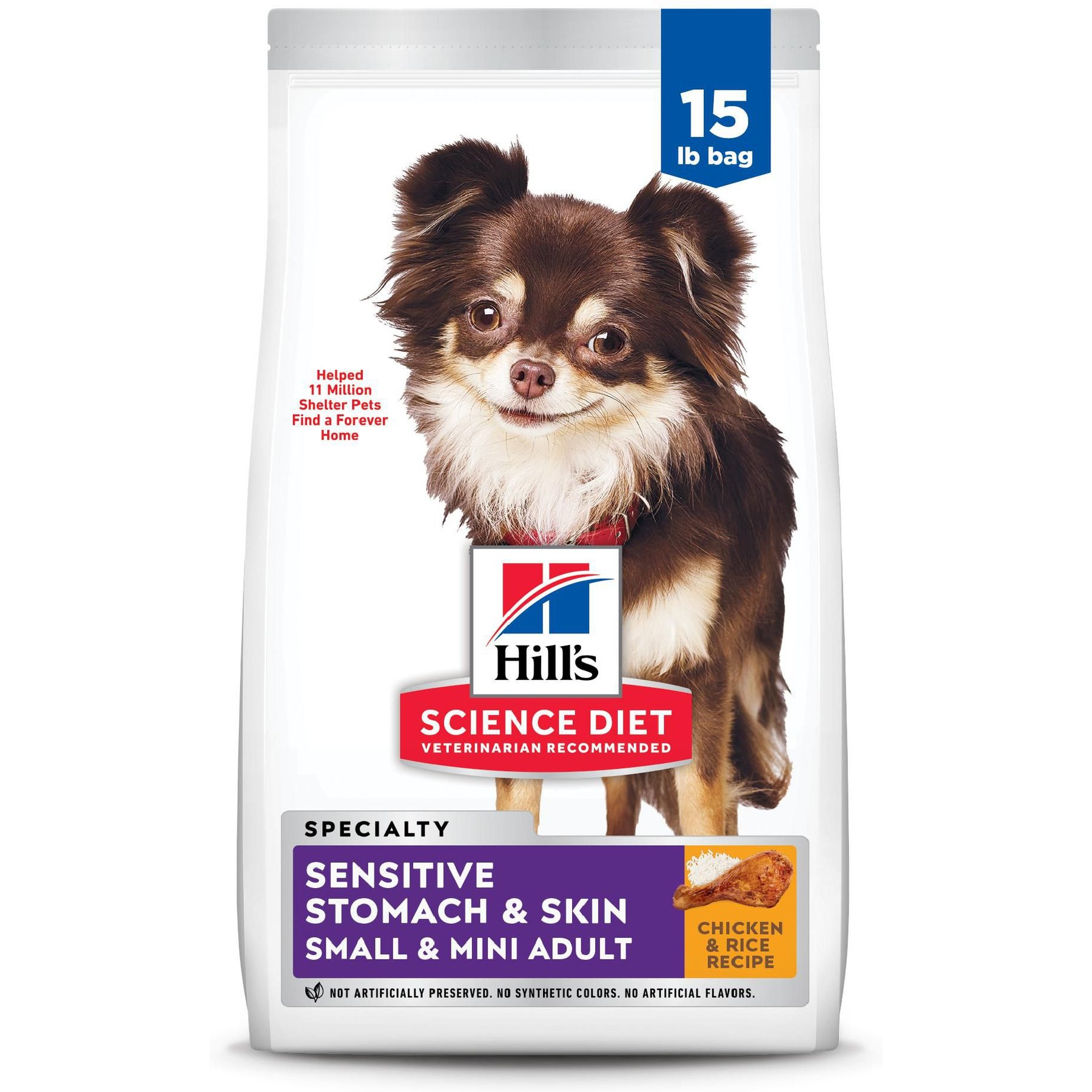
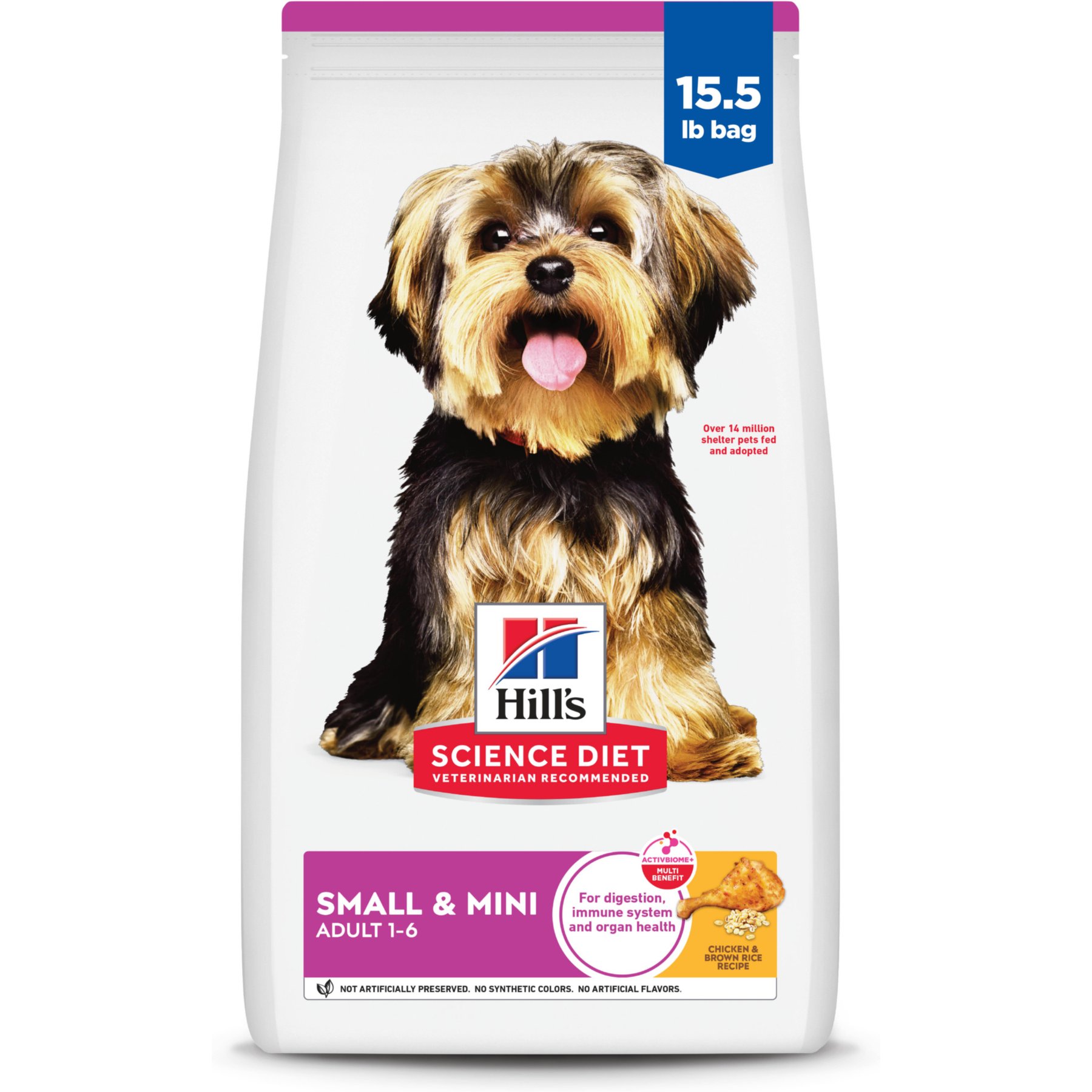
Hill's Science Diet Adult Small Breed
- Rating: 4.77/5 from over 3,000 reviews
- Easy-to-digest ingredients including pumpkin
- Omega fatty acids for healthy skin and coat
- Small kibble perfect for Dachshund mouths
- Made in the USA
Purina Pro Plan Small Breed Adult
- Real chicken as the first ingredient
- Calcium and minerals for strong bones
- Omega fatty acids for skin and coat
- Live probiotics for digestive health
Royal Canin Small Weight Care
- Rating: 4.80/5 from 460 reviews
- Specifically for weight-prone small breeds
- L-carnitine for healthy metabolism
- Fiber blend for satiety
- Supports ideal weight maintenance
For Weight Management
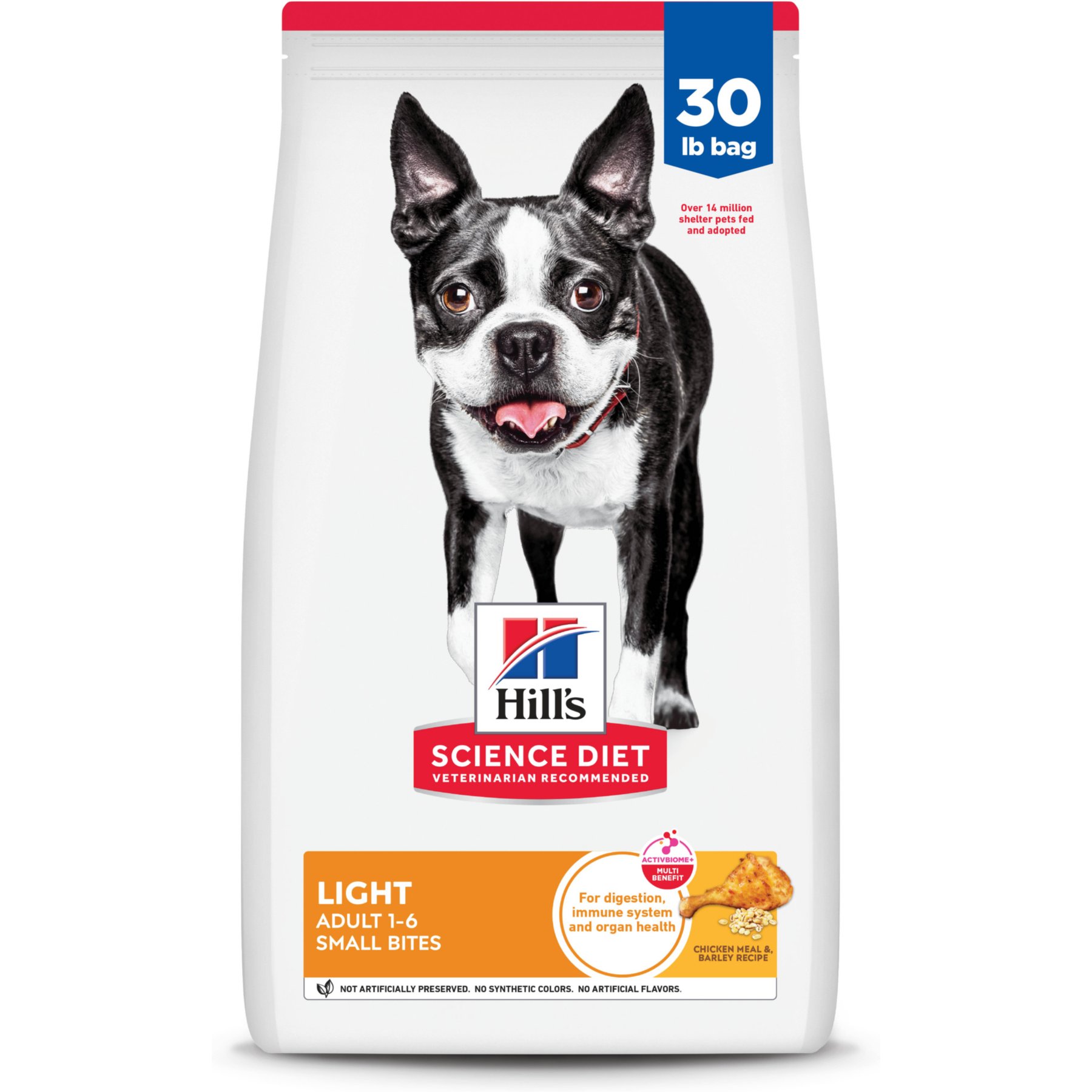
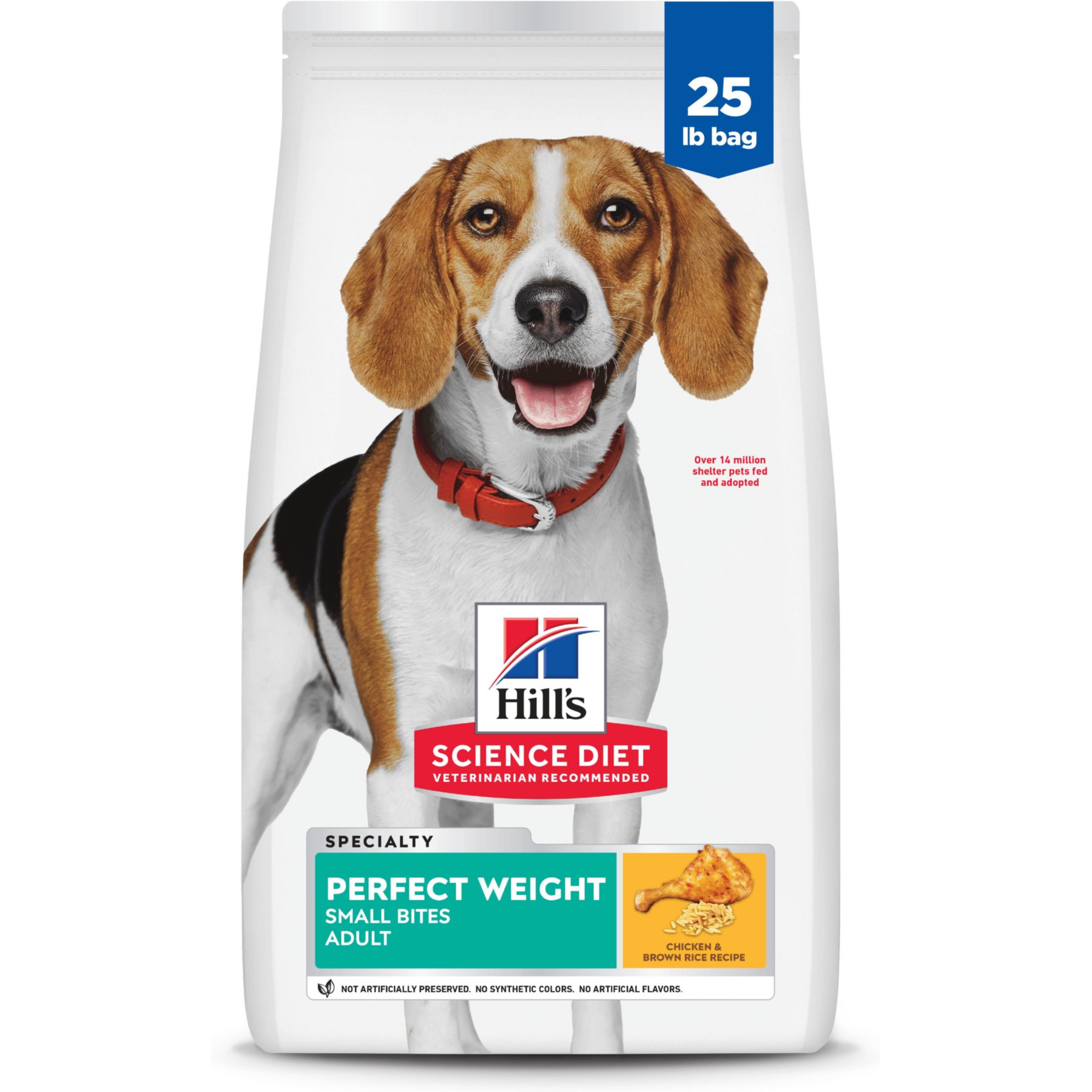
Hill's Science Diet Perfect Weight Small Breed
- Clinically proven for weight loss
- Real chicken as the first ingredient
- Helps dogs feel full longer
- Supports lean muscle
For Senior Dachshunds
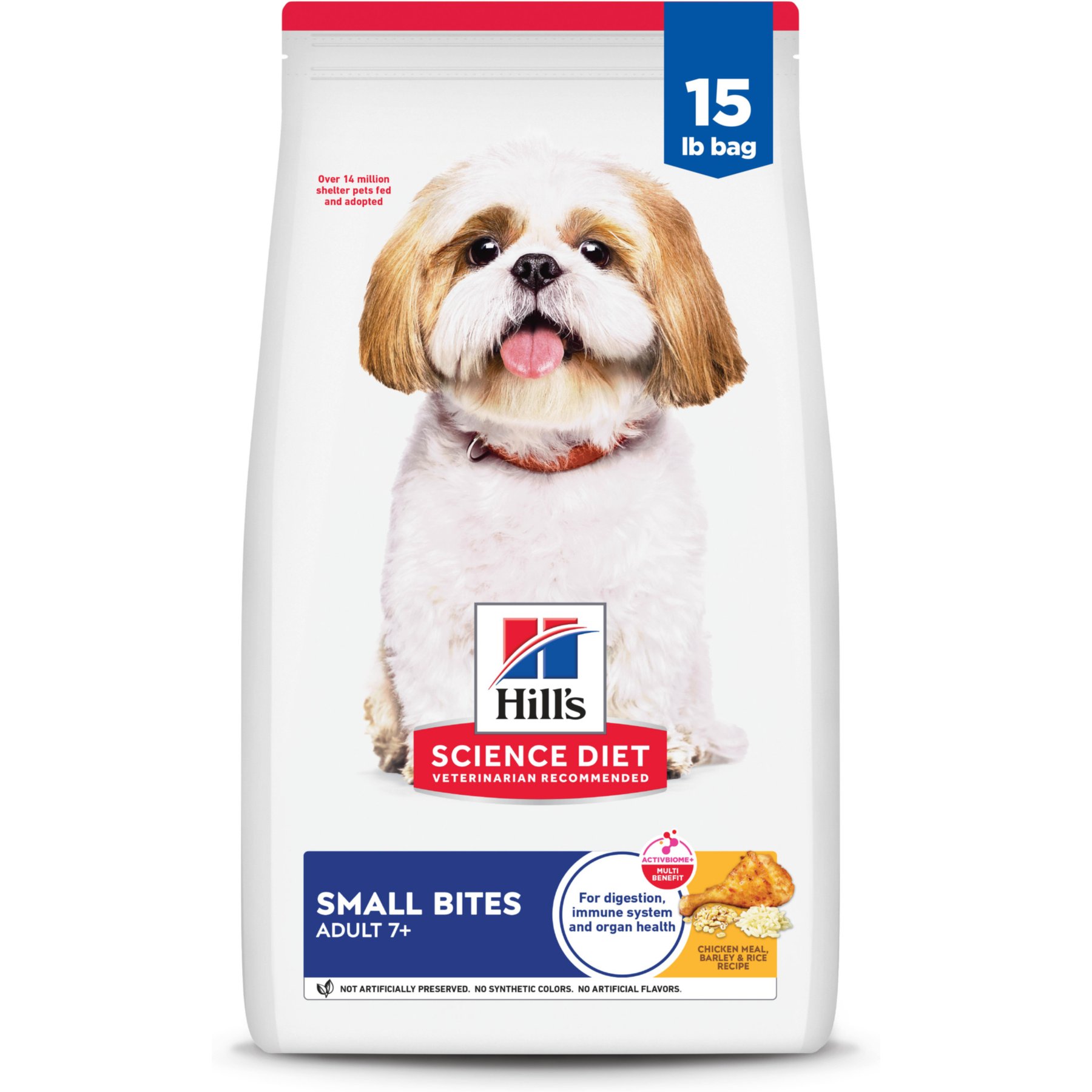
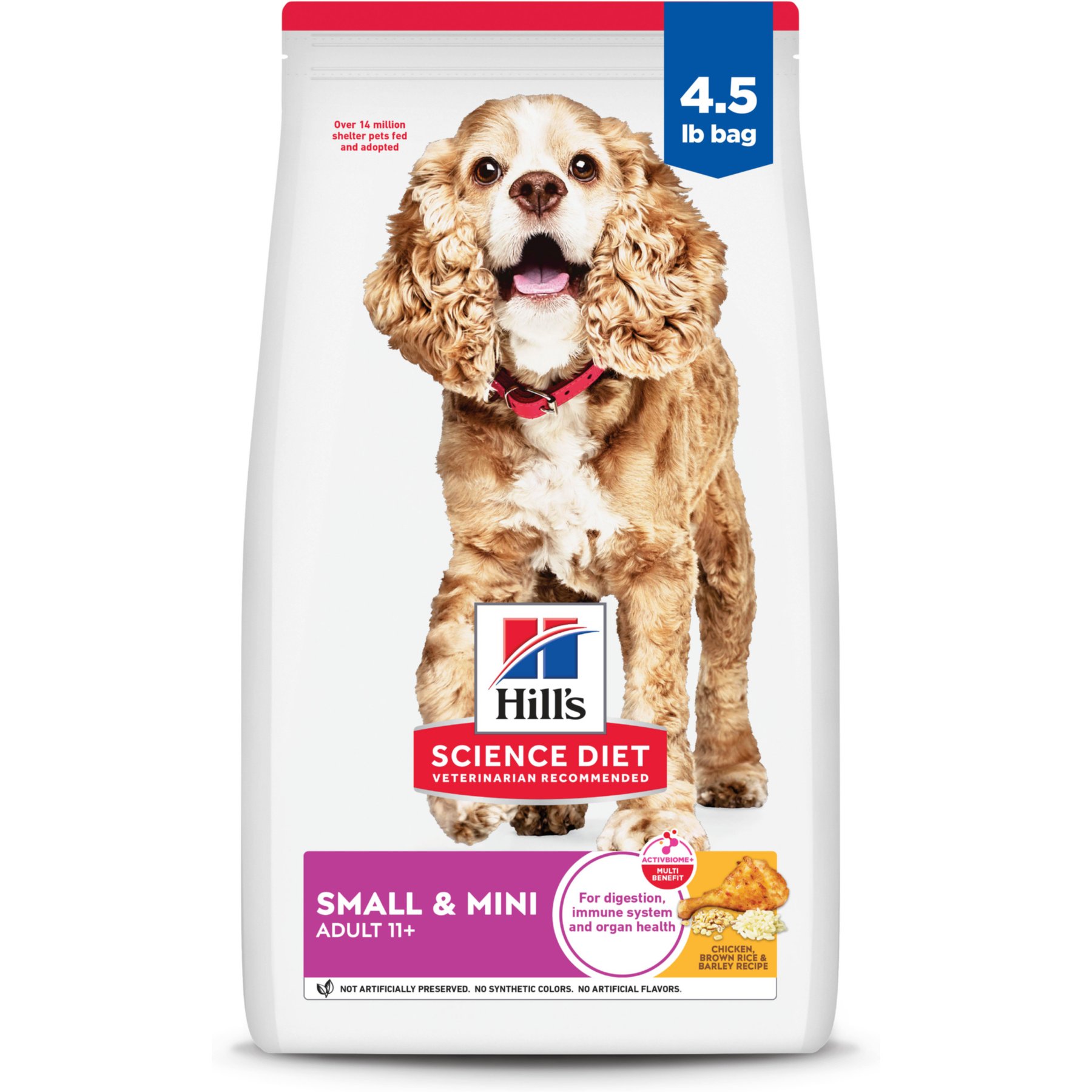
Hill's Science Diet Senior 11+ Small Breed
- Rating: 4.79/5 from over 1,300 reviews
- Supports healthy heart and kidneys
- Antioxidants for immune support
- Easy to digest
- Appropriate for aging Dachshunds
Feeding Guidelines
Standard Dachshunds (16-32 lbs)
| Weight | Daily Amount | Meals Per Day |
|---|---|---|
| 16-20 lbs | 0.75 - 1 cup | 2 |
| 20-26 lbs | 1 - 1.25 cups | 2 |
| 26-32 lbs | 1.25 - 1.5 cups | 2 |
Miniature Dachshunds (under 11 lbs)
| Weight | Daily Amount | Meals Per Day |
|---|---|---|
| 8-9 lbs | 0.5 - 0.66 cup | 2 |
| 9-10 lbs | 0.66 - 0.75 cup | 2 |
| 10-11 lbs | 0.75 - 0.85 cup | 2 |
Critical Note: These are guidelines for ideal weight. If your Dachshund is overweight, reduce portions by 10-20% and consult your vet.
Weight Management: The Most Important Factor
For Dachshunds, maintaining a healthy weight isn't just about appearance—it's about preventing serious spinal injuries. Studies show that overweight Dachshunds have significantly higher rates of IVDD.
How to Tell if Your Dachshund is Overweight
- Can you feel (but not prominently see) the ribs?
- Is there a visible waist when viewed from above?
- Does the belly tuck up when viewed from the side?
- Can your Dachshund move easily without labored breathing?
If you answered "no" to any of these, your Dachshund may be overweight.
Weight Loss Tips for Dachshunds
- Measure every meal precisely: Use measuring cups, not estimates
- Reduce treats: Treats should be ≤10% of daily calories
- Choose low-calorie treats: Baby carrots, green beans, or commercial low-cal treats
- Increase activity gradually: Walk slightly longer or add play time
- Consider weight management food: Lower calorie formulas help
Protecting the Dachshund Back Through Nutrition
Nutrients That Support Spinal Health
- Glucosamine: Supports disc and joint health
- Chondroitin: Works with glucosamine for cartilage support
- Omega-3 fatty acids: Reduce inflammation
- Vitamin E: Antioxidant support for tissues
- Calcium and phosphorus: Proper ratios support bone health
Lifestyle Factors (Beyond Diet)
- Use ramps instead of stairs
- Don't let your Dachshund jump on/off furniture
- Support their entire body when lifting
- Maintain ideal weight (most important!)
Feeding Tips for Dachshunds
- Strict portion control: Dachshunds always want more—don't give in
- Scheduled feeding: Avoid free-feeding entirely
- Use puzzle feeders: Mental stimulation and slower eating
- Choose small kibble: Easier for their small mouths
- Elevate bowls slightly: Reduces strain on their long backs
- Fresh water always available: But monitor for excessive drinking
Life Stage Considerations
Dachshund Puppies
- Feed puppy formula until 12 months
- 3-4 meals daily until 4 months, then 3 meals, then 2 after 6 months
- Control growth rate—rapid growth can stress developing spine
- Start joint supplement early if recommended by vet
Adult Dachshunds (1-7 years)
- Transition to adult small breed formula
- Focus on weight management
- Joint support becomes increasingly important
- Regular weight monitoring (monthly)
Senior Dachshunds (8+ years)
- Consider senior formula
- Enhanced joint support crucial
- May need lower calories
- More frequent vet check-ups
- Monitor for diabetes signs
Frequently Asked Questions
How much should I feed my Dachshund?
Most adult Dachshunds need 500-800 calories daily depending on size and activity. This typically translates to 0.5-1.5 cups of dry food daily, split into two meals. Use your specific food's feeding guidelines and adjust based on body condition.
Why is weight so important for Dachshunds?
Dachshunds are genetically predisposed to Intervertebral Disc Disease (IVDD) due to their elongated spines. Extra weight puts tremendous pressure on their spinal discs, dramatically increasing the risk of disc herniation, which can cause paralysis. Keeping your Dachshund lean is one of the most important things you can do for their health.
My Dachshund is always begging. What should I do?
Dachshunds are notorious food-motivated beggars. Don't give in—resist those soulful eyes! Establish firm boundaries, don't feed from the table, use low-calorie treats sparingly, and distract with play or walks. If they're truly hungry, ensure you're feeding appropriate portions of high-quality food that keeps them satisfied.
Should I feed my Dachshund wet or dry food?
Either can work well. Dry kibble offers dental benefits and is more economical. Wet food provides more moisture and is often more palatable. Many owners use primarily dry food with occasional wet food toppers. Choose what works best for your individual dog.
What treats are safe for Dachshunds?
Given their weight-management needs, opt for low-calorie treats:
- Baby carrots
- Green beans
- Apple slices (no seeds)
- Small commercial training treats
- Frozen low-fat plain yogurt in small amounts
Avoid: high-fat treats, large biscuits, cheese in large amounts, and any human food high in calories.
Related Resources
- Feeding Calculator - Calculate exact calorie needs for your Dachshund
- Small Breed Dog Food - More small breed options
- Dog Food for Weight Loss - Weight management formulas
- Dog Food for Joint Health - Joint support options
- Compare Dog Foods - Side-by-side product comparison