Cocker Spaniels are cheerful, gentle sporting dogs known for their beautiful silky coats, expressive eyes, and happy personalities. These versatile companions have specific nutritional needs that support their gorgeous coat, active nature, and overall health.
Nutritional Needs of Cocker Spaniels
Cocker Spaniels are a medium-small breed, typically weighing 20-30 pounds. Their moderate activity level, gorgeous coats, and tendency toward certain health issues require thoughtful nutrition.
Key Nutritional Requirements
- Moderate protein (22-26%): Supports lean muscle
- Moderate fat (10-14%): Cockers gain weight easily
- Omega-3 and omega-6 fatty acids: Essential for their silky coat
- Easily digestible ingredients: Some have sensitive stomachs
- L-carnitine: Supports metabolism and weight management
- Antioxidants: Support eye and ear health
Common Health Concerns That Affect Diet
Cocker Spaniels face several breed-specific challenges:
- Ear infections: Very common due to heavy, pendulous ears
- Obesity: They love food and gain weight easily
- Eye conditions: Cataracts, glaucoma; antioxidants help
- Allergies: Many develop food sensitivities
- Hypothyroidism: Quality nutrition supports thyroid
- Hip dysplasia: Joint support nutrients help
- Cardiomyopathy: Some lines are predisposed
What to Look for in Cocker Spaniel Food
Must-Have Features
- Medium or small breed formula
- High-quality animal protein as first ingredient
- Omega fatty acids for coat and ears
- Moderate calorie content
- Easily digestible ingredients
- No artificial colors, flavors, or preservatives
Ingredients to Watch
- Common allergens if your Cocker is sensitive
- Excessive fat (leads to weight gain)
- Artificial additives
Top Recommended Products
Premium Options for Cocker Spaniels
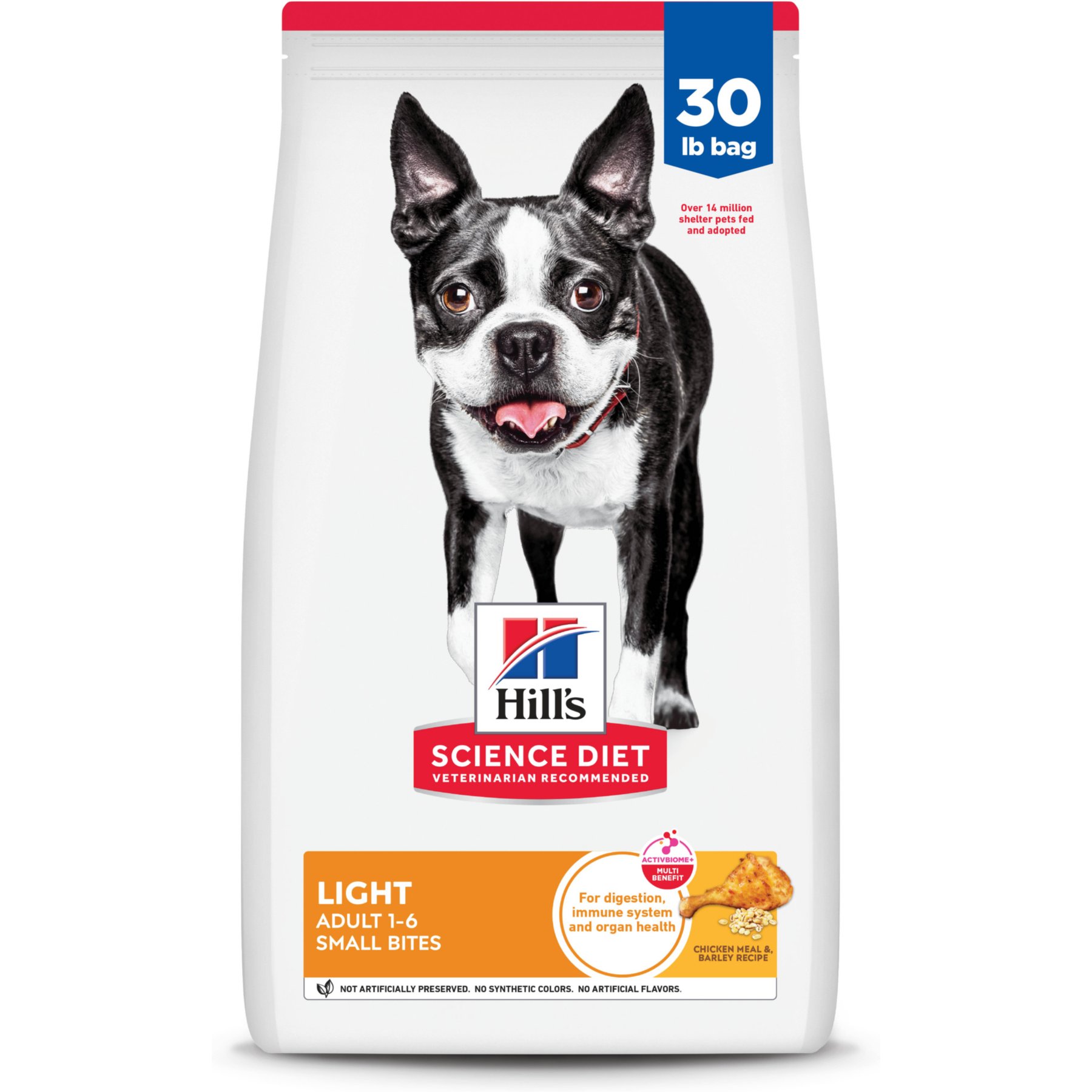
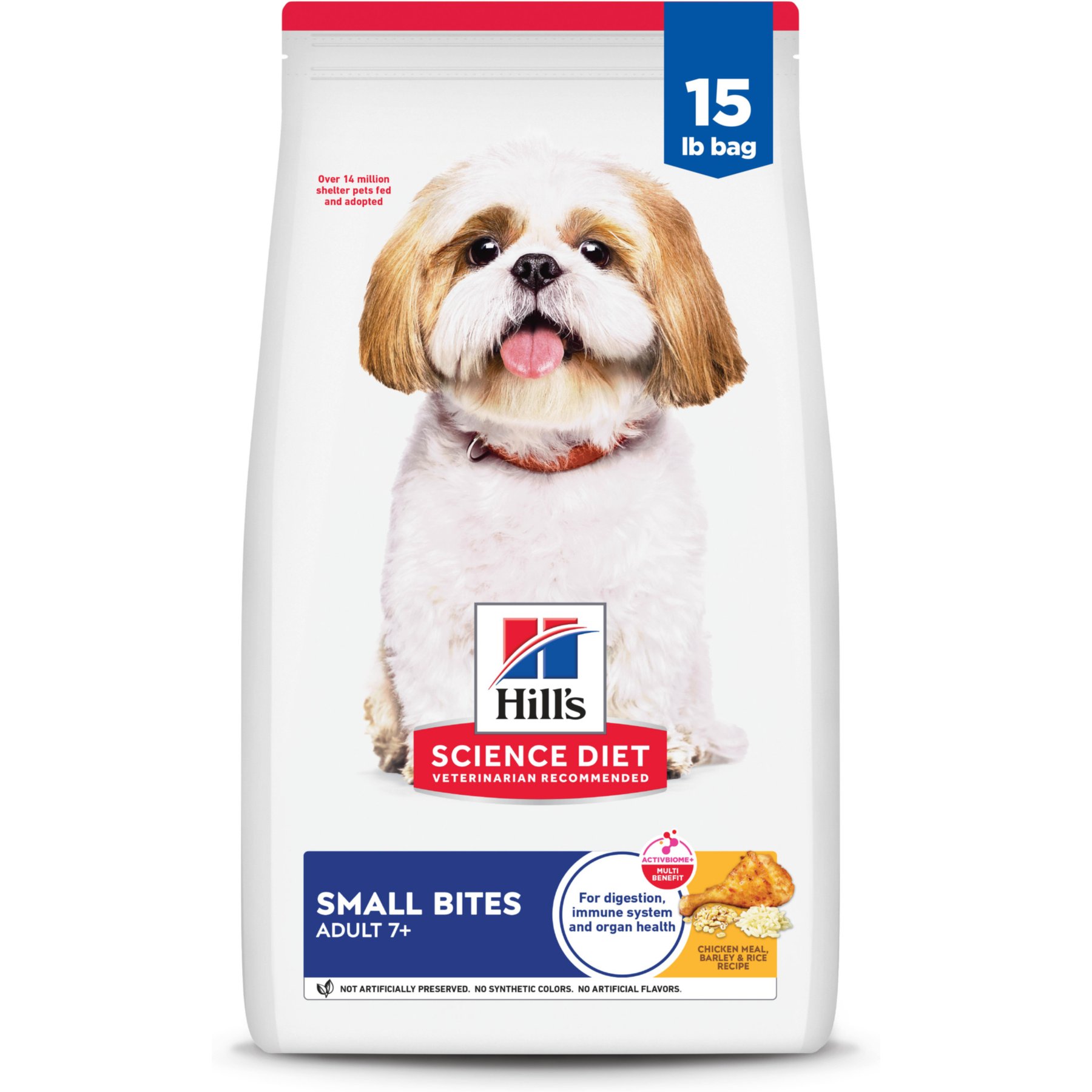
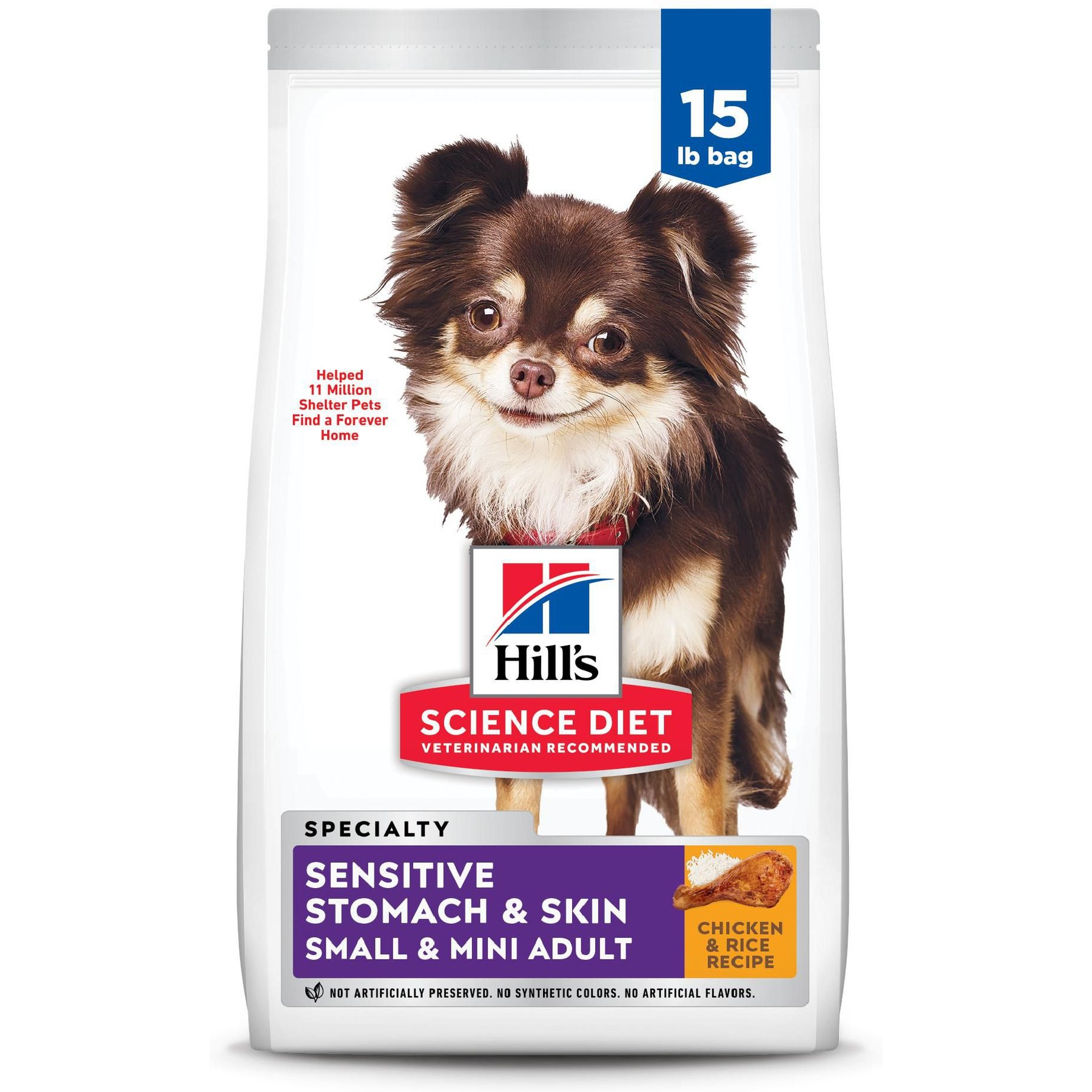
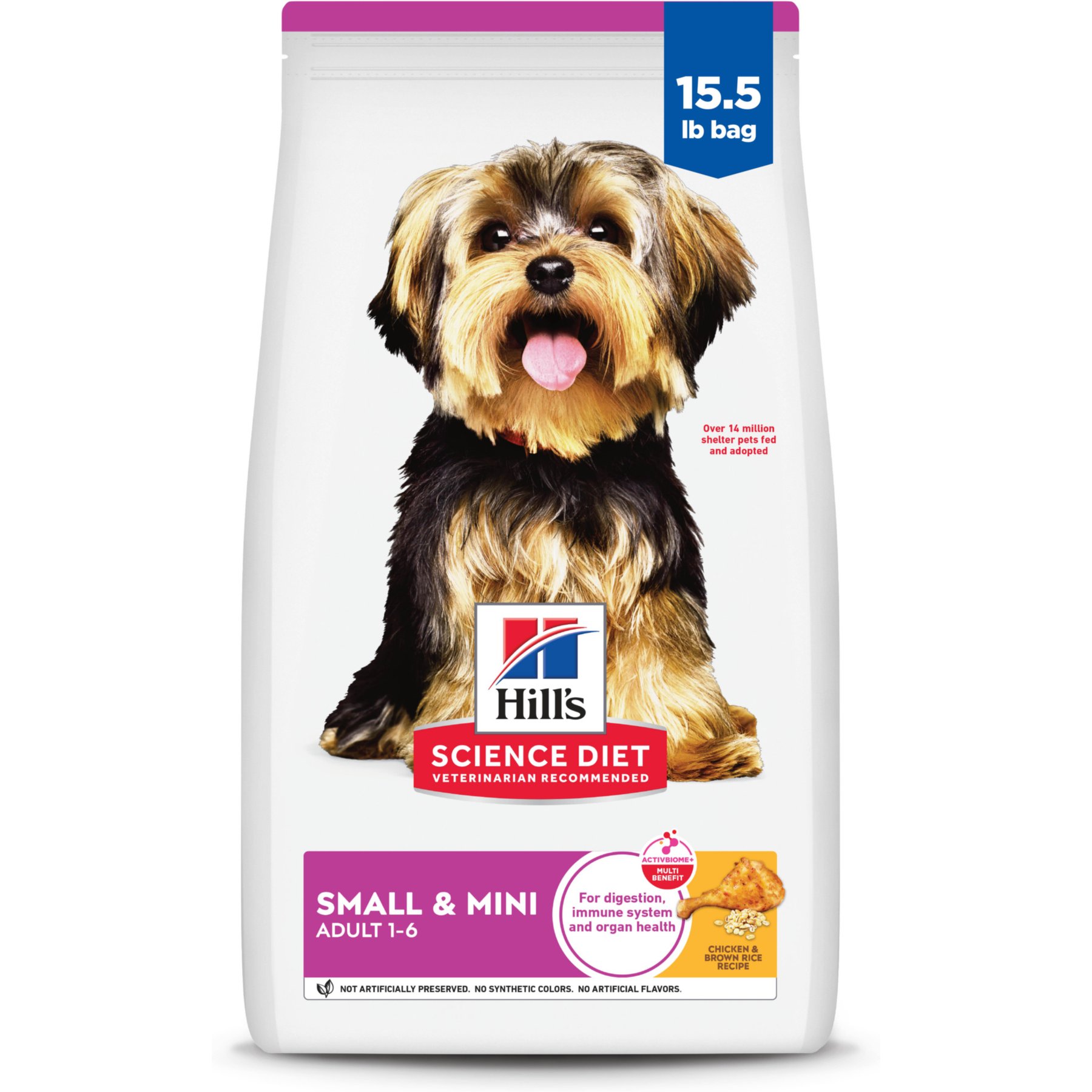
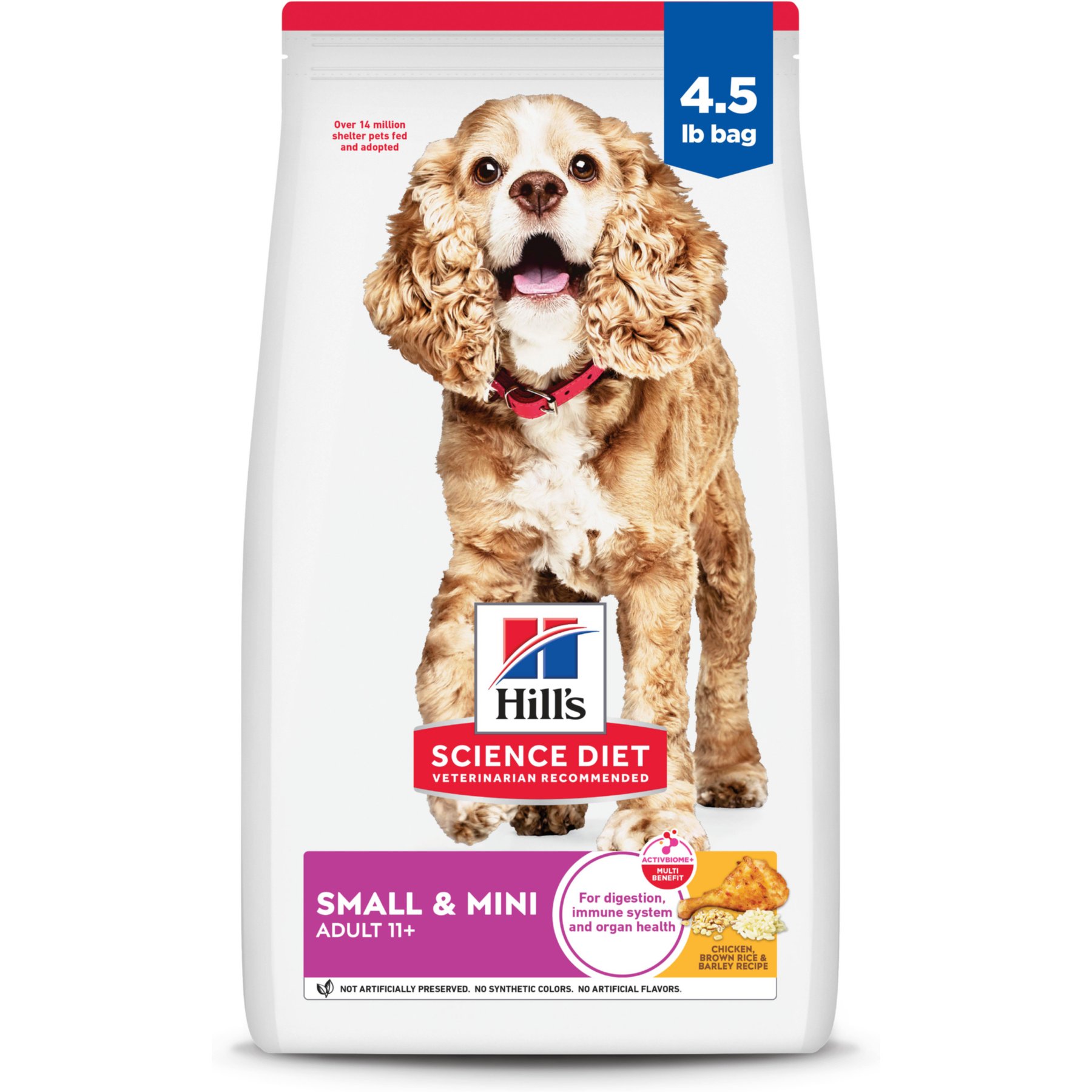
Hill's Science Diet Adult Small Breed
- Rating: 4.77/5 from over 3,000 reviews
- Easy-to-digest ingredients
- Omega fatty acids for coat
- Made in the USA
Purina Pro Plan Adult Complete
- Real chicken as first ingredient
- Omega fatty acids for skin and coat
- Probiotics for digestion
Royal Canin Medium Adult
- Tailored for medium breeds
- EPA and DHA for coat health
- Supports digestive health
For Weight Management
Royal Canin Medium Weight Care
- L-carnitine for metabolism
- High fiber for satiety
- Helps maintain ideal weight
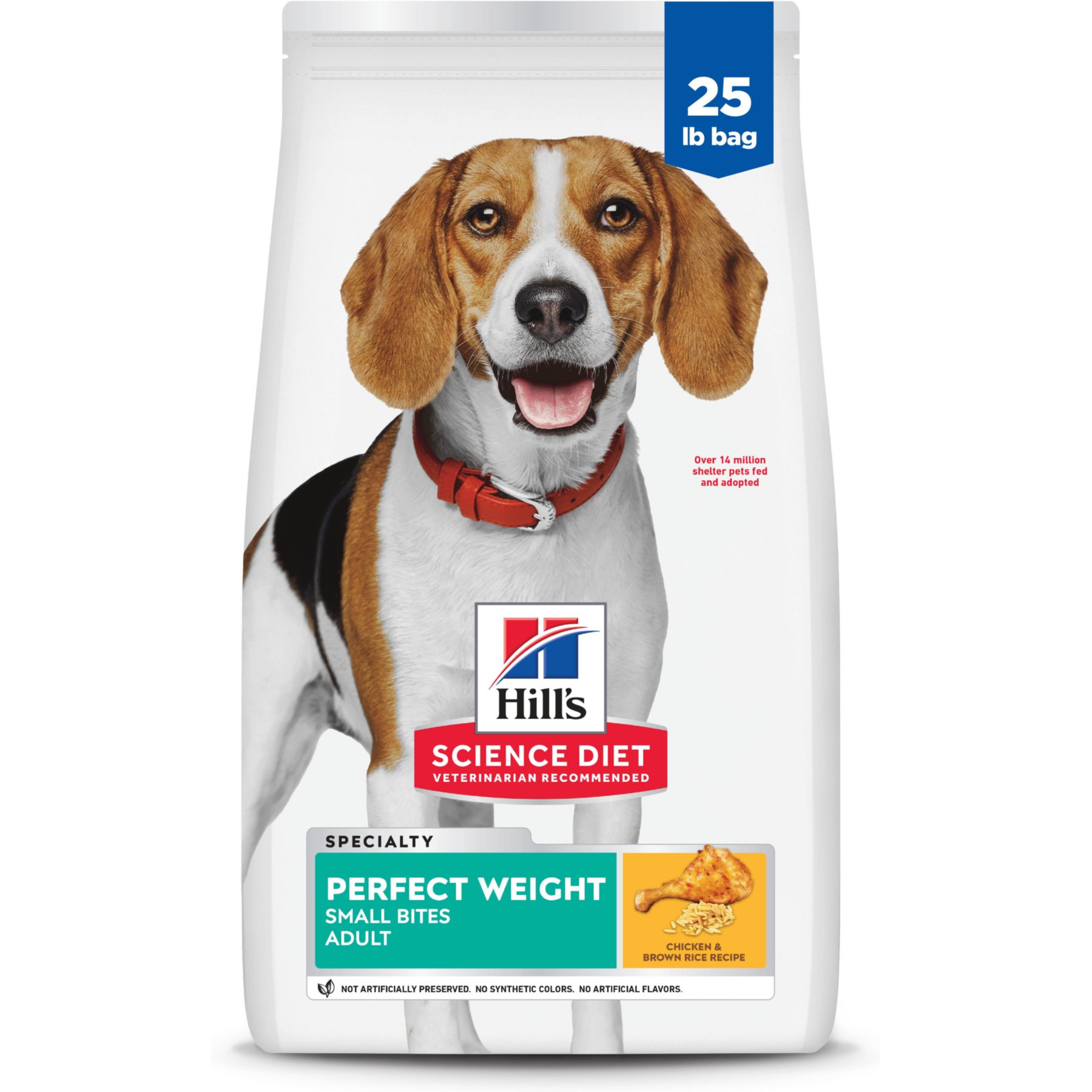
Hill's Science Diet Perfect Weight
- Clinically proven for weight loss
- Helps dogs feel full longer
- Supports lean muscle
For Allergies
Purina Pro Plan Sensitive Skin & Stomach
- Salmon as first ingredient
- Omega fatty acids
- No corn, wheat, or soy
Feeding Guidelines
| Weight | Daily Amount | Meals Per Day |
|---|---|---|
| 20-24 lbs | 1 - 1.25 cups | 2 |
| 24-28 lbs | 1.25 - 1.5 cups | 2 |
| 28-30 lbs | 1.5 - 1.75 cups | 2 |
Note: Cocker Spaniels gain weight easily. If your dog is overweight, reduce portions by 15-20%.
Weight Management for Cockers
Why Weight Matters
- Obesity is very common in Cockers
- Extra weight stresses joints
- Worsens ear and skin problems
- Reduces quality of life
Signs of Overweight Cocker
- Can't easily feel ribs
- No visible waist
- Rounded belly
- Reluctance to exercise
Weight Loss Tips
- Measure food precisely
- Limit treats to 10% of calories
- Use weight management formula
- Increase gentle exercise
- No table scraps
Maintaining the Cocker Coat
Key Nutrients for Coat Health
- Omega-3 fatty acids: Add shine
- Omega-6 fatty acids: Support skin
- Biotin: Strengthens coat
- Zinc: Essential for skin health
Coat Care Tips
- Quality nutrition is the foundation
- Regular brushing (every other day minimum)
- Professional grooming every 6-8 weeks
- Keep ears clean and dry
Ear Health for Cockers
Cocker Spaniels are prone to ear infections due to their heavy, pendulous ears.
Nutritional Support
- Omega fatty acids support skin and ear health
- Avoid common allergens that can worsen ear issues
- Probiotics may help some dogs
Beyond Nutrition
- Clean ears weekly
- Dry thoroughly after baths and swimming
- Check for odor, redness, or discharge
- See vet at first sign of infection
Feeding Tips for Cocker Spaniels
- Two meals daily: Consistent schedule
- Measure precisely: They overeat easily
- Omega-rich food: Supports coat and ears
- Limit treats: Very food-motivated
- Clean ears after eating: Prevents food buildup
- Fresh water always: Supports all functions
Life Stage Considerations
Cocker Spaniel Puppies
- Puppy formula until 12 months
- 3-4 meals daily until 4 months, then 3, then 2
- Don't overfeed—establish portion control early
- Start coat nutrition focus
Adult Cockers (1-8 years)
- Medium/small breed adult formula
- Weight management focus
- Coat and ear health priority
- Regular dental care
Senior Cockers (8+ years)
- Senior formula may be appropriate
- Joint support becomes important
- May need reduced calories
- More frequent health monitoring
Frequently Asked Questions
How much should I feed my Cocker Spaniel?
Most adult Cockers need 700-900 calories daily. This typically translates to 1-1.75 cups of dry food daily, split into two meals. Cocker Spaniels are prone to obesity, so measure carefully and adjust based on body condition.
Why does my Cocker Spaniel have so many ear infections?
Their heavy, pendulous ears create warm, moist environments perfect for infections. Nutritionally, omega fatty acids support ear health. Beyond diet: clean ears weekly, dry thoroughly after water exposure, and see your vet at first signs of infection.
My Cocker is always begging for food. Is this normal?
Cocker Spaniels are very food-motivated and prone to obesity. Their begging doesn't mean they need more food. Stick to measured portions, use low-calorie treats sparingly, and don't feed from the table. Distract with play or walks.
What treats are good for Cocker Spaniels?
Choose low-calorie treats given their weight-gain tendency:
- Baby carrots
- Green beans
- Apple slices (no seeds)
- Small pieces of cooked chicken
- Commercial low-cal training treats
Should I feed my Cocker grain-free food?
For most Cockers, grain-free food is not necessary and may pose health risks. The FDA has investigated links between grain-free diets and heart disease. Unless your vet recommends grain-free for a specific allergy, choose grain-inclusive food.
Related Resources
- Feeding Calculator - Calculate calorie needs
- Dog Food for Weight Loss - Weight management
- Dog Food for Skin Allergies - Allergy options
- Compare Dog Foods - Side-by-side comparison