Cane Corsos are powerful, majestic Italian mastiffs known for their imposing size, intelligence, and protective nature. These large guardian dogs require premium nutrition to support their massive muscular build, joint health, and overall well-being.
Nutritional Needs of Cane Corsos
Cane Corsos are a giant breed, typically weighing 90-120+ pounds. Their substantial size, muscular build, and working dog heritage demand nutrition that supports both their physical power and long-term health.
Key Nutritional Requirements
- High-quality protein (24-28%): Essential for maintaining their impressive musculature
- Moderate fat (12-16%): Provides energy without promoting excess weight
- Glucosamine and chondroitin: Critical for joint health in this heavy breed
- Omega-3 fatty acids (EPA/DHA): Support joint health and reduce inflammation
- Calcium and phosphorus balance: For bone health (especially during growth)
- L-carnitine: Supports heart health and lean muscle mass
- Taurine: Heart support for this large breed
Common Health Concerns That Affect Diet
Cane Corsos face several giant breed health challenges that proper nutrition can help address:
- Hip and elbow dysplasia: Extremely common; joint support is essential
- Bloat (GDV): Giant, deep-chested dogs are at highest risk
- Dilated cardiomyopathy: Heart support nutrients are important
- Obesity: Extra weight is devastating for their joints
- Bone and joint issues: Rapid growth must be controlled in puppies
- Cherry eye and other eye conditions: Antioxidants support eye health
What to Look for in Cane Corso Food
Must-Have Features
- Large/giant breed formula
- High-quality animal protein as first ingredient
- Glucosamine and chondroitin for joints
- Omega-3 fatty acids from fish oil
- L-carnitine and taurine for heart health
- Appropriate calorie density (prevent rapid weight gain)
- Large kibble for their big mouths
Ingredients to Avoid
- Excessive calories without nutritional value
- Artificial preservatives and colors
- Low-quality by-products
- Excessive calcium (especially in puppies)
Top Recommended Products
Based on our database analysis, these products are excellent choices for Cane Corsos:
Giant/Large Breed Options
Royal Canin Giant Adult
- For dogs over 100 lbs
- EPA and DHA for joint support
- L-carnitine for healthy weight
- Supports bone and joint health
- Large kibble for giant breeds
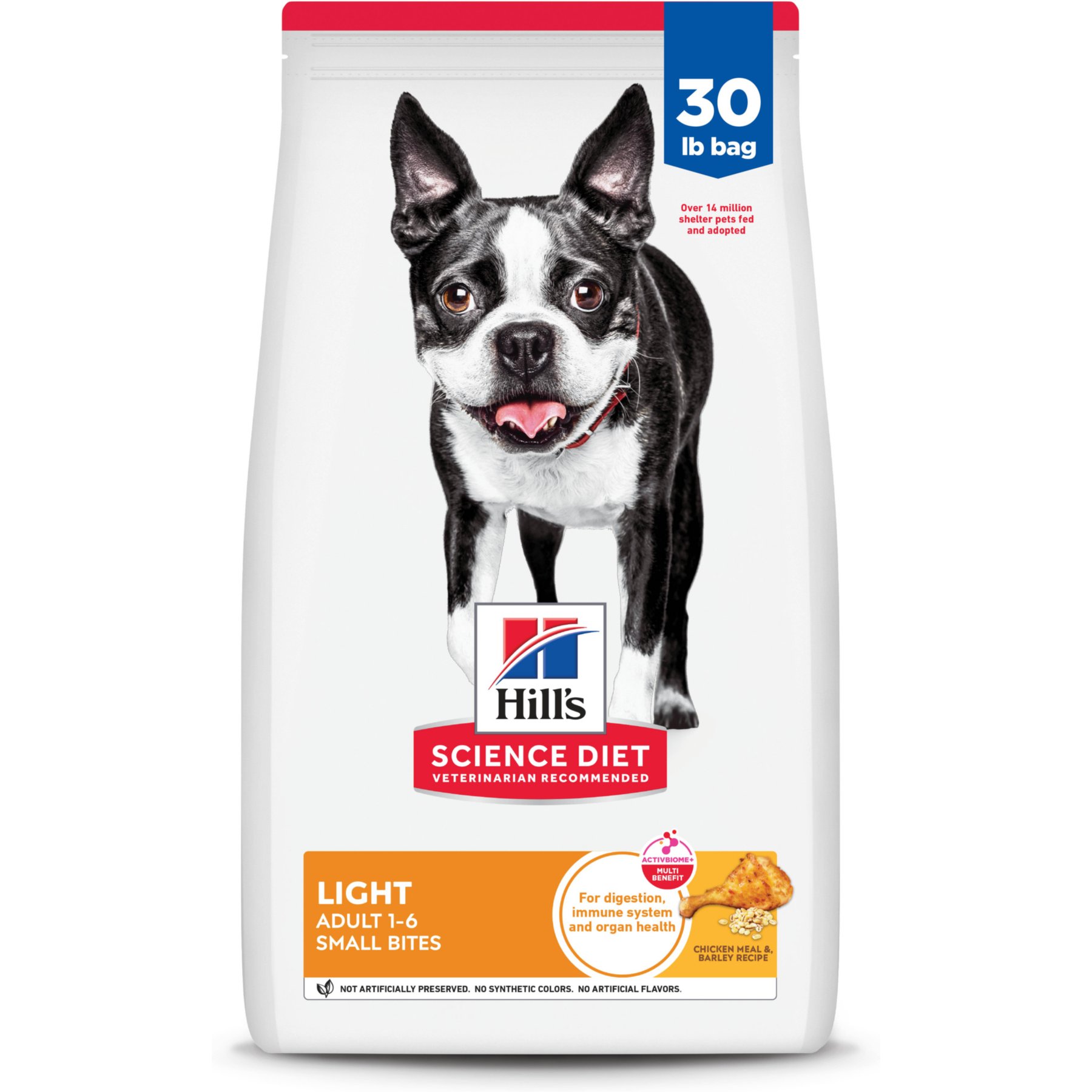
Hill's Science Diet Large Breed
- Glucosamine and chondroitin from natural sources
- Omega fatty acids for coat
- L-carnitine for lean muscle
- Made in the USA
Purina Pro Plan Large Breed Adult
- Real chicken as first ingredient
- EPA and glucosamine for joints
- Live probiotics for digestion
- Complete nutrition for large breeds
For Joint Support
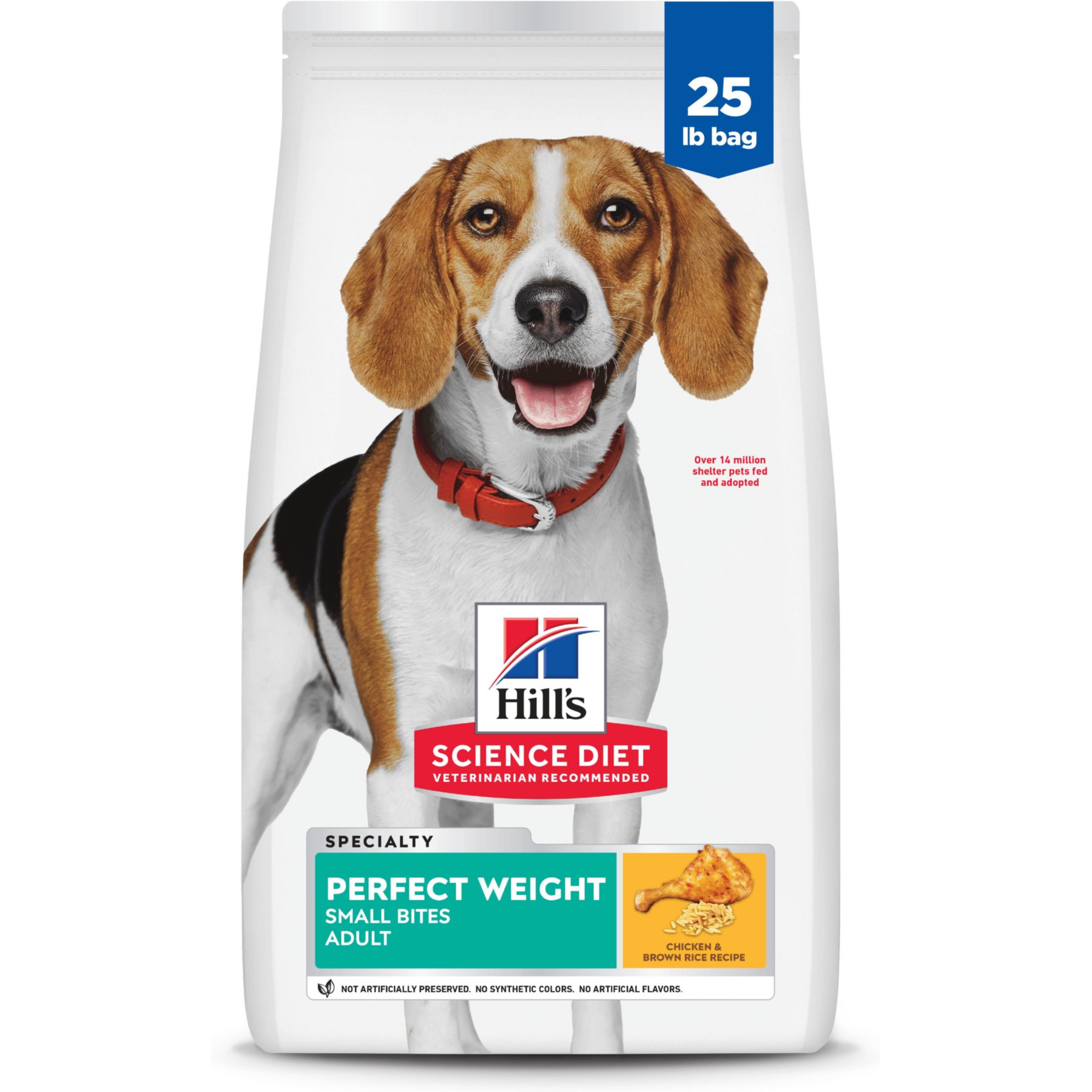
Hill's Science Diet Perfect Weight & Joint Support (Large Breed)
- Rating: 4.80/5
- Contains omega-3 EPA from fish oil
- Glucosamine for joint health
- Weight management for less joint stress
- Made in the USA
For Puppies (Critical Phase)
Royal Canin Giant Puppy
- Controlled calories for proper growth
- Supports skeletal health
- EPA and DHA for development
- Large kibble for giant breed puppies
Feeding Guidelines
| Weight | Daily Amount (Adult) | Activity Level |
|---|---|---|
| 90-100 lbs | 5 - 6 cups | Moderate |
| 100-110 lbs | 6 - 7 cups | Moderate |
| 110-120 lbs | 7 - 8 cups | Moderate |
| 120+ lbs | 8+ cups | Moderate |
Active/Working Corsos: May need 20-30% more Less Active Adults: May need 15-20% less Important: Split into 2-3 meals daily—never one large meal
Preventing Bloat (GDV): Critical for Cane Corsos
Cane Corsos are among the breeds at highest risk for bloat, a life-threatening condition.
Essential Prevention Practices
- Feed 2-3 smaller meals daily—never one large meal
- Use slow-feeder bowls to prevent rapid eating
- No exercise 1-2 hours before and after meals
- Keep mealtimes calm and stress-free
- Avoid elevated food bowls
- Monitor water intake—prevent gulping
- Consider prophylactic gastropexy (surgical prevention)
Emergency Signs—Act Immediately
- Distended, hard abdomen
- Unproductive retching or gagging
- Excessive drooling
- Restlessness and pacing
- Difficulty breathing
- Pale gums
- This is an emergency—seek veterinary care within minutes
Growing a Cane Corso Puppy Properly
Proper nutrition during growth is critical for Cane Corso puppies. Rapid growth increases joint problems significantly.
Puppy Feeding Guidelines
- Always use giant breed puppy formula—controlled calcium and phosphorus
- Never overfeed—keep puppies lean
- 3-4 meals daily until 4 months
- 3 meals until 8 months
- 2-3 meals as adults
- Continue puppy food until 18-24 months
Growth Rate Targets
- You should always be able to feel ribs easily
- Puppies should be lean, not chubby
- Slow, steady growth protects developing joints
- Never supplement calcium (it's balanced in puppy food)
What NOT to Do
- Don't free-feed
- Don't feed adult food too early
- Don't add calcium supplements
- Don't let puppy become overweight
- Don't over-exercise growing puppies
Joint Health: Essential for Cane Corsos
Key Joint-Supporting Nutrients
- Glucosamine: Building block for cartilage
- Chondroitin: Supports cartilage health
- Omega-3 fatty acids (EPA/DHA): Reduce inflammation
- MSM: Supports joint comfort
- Vitamin E and C: Antioxidant support
Additional Joint Support
- Maintain lean body weight (most important!)
- Provide joint supplements if recommended
- Regular, moderate exercise (low impact preferred)
- Consider orthopedic bedding
- Regular veterinary joint assessments
Feeding Tips for Cane Corsos
- Multiple daily meals: Essential for bloat prevention
- Slow-feeder bowls: Prevent rapid eating
- No exercise around meals: 1-2 hours before and after
- Fresh water always available: Monitor for gulping
- Consistent schedule: Same times daily
- Weigh regularly: Monthly weigh-ins help monitor condition
Life Stage Considerations
Cane Corso Puppies (0-24 months)
- Giant breed puppy formula only
- Extended puppy phase—don't rush to adult food
- Controlled growth is critical
- 3-4 meals daily reducing to 2-3
- Keep puppies lean
- Regular vet monitoring of growth
Adult Cane Corsos (2-6 years)
- Large/giant breed adult formula
- Joint support nutrients become important
- Monitor weight carefully
- Heart health focus
- 2-3 meals daily for bloat prevention
Senior Cane Corsos (6+ years)
- Senior formula with enhanced joint support
- May need reduced calories
- Glucosamine and chondroitin critical
- More frequent health monitoring
- Consider senior supplements
Frequently Asked Questions
How much should I feed my Cane Corso?
Adult Cane Corsos typically need 2,000-3,000+ calories daily depending on size and activity. This translates to roughly 5-8 cups of quality dry food daily, split into 2-3 meals. Use your specific food's guidelines and adjust based on body condition—you should always be able to feel ribs easily.
How long should Cane Corsos stay on puppy food?
Cane Corsos should stay on giant breed puppy food until 18-24 months old. Their slower maturity rate means they need the controlled nutrition of puppy food longer than smaller breeds. Transitioning too early to adult food can lead to nutritional imbalances during their extended growth phase.
Should I give my Cane Corso supplements?
Many Cane Corsos benefit from:
- Glucosamine/chondroitin: For joint health
- Fish oil: Omega-3s for joints and coat
- Probiotics: For digestive health
Consult your vet before adding supplements, especially if feeding a complete diet.
How do I prevent bloat in my Cane Corso?
- Feed 2-3 smaller meals daily (never one large meal)
- Use slow-feeder bowls
- No exercise 1-2 hours before or after eating
- Keep mealtimes calm
- Avoid elevated bowls
- Monitor water intake
- Discuss prophylactic gastropexy with your vet
Is raw feeding good for Cane Corsos?
Some Cane Corso owners report success with raw diets. However, raw feeding carries risks including bacterial contamination and nutritional imbalance. If considering raw, work with a veterinary nutritionist to ensure complete and balanced nutrition. High-quality commercial foods are formulated to meet all nutritional needs.
Related Resources
- Feeding Calculator - Calculate exact calorie needs for your Cane Corso
- Large Breed Dog Food - More large breed options
- Dog Food for Joint Health - Joint support formulas
- Dog Food for Heart Health - Heart-healthy options
- Compare Dog Foods - Side-by-side product comparison