Bulldogs are iconic, lovable companions known for their distinctive wrinkled faces, stocky build, and gentle personalities. Despite their tough appearance, Bulldogs have unique nutritional needs driven by their brachycephalic (flat-faced) structure, compact body, and tendency toward multiple health challenges.
Nutritional Needs of Bulldogs
Bulldogs are a medium-sized breed, typically weighing 40-55 pounds. Their compact, muscular build combined with a relatively sedentary nature means they're prone to weight gain and require carefully balanced nutrition.
Key Nutritional Requirements
- Moderate protein (22-26%): Supports muscle mass without excess calories
- Lower fat content (10-14%): Bulldogs are prone to obesity and have lower energy needs
- Highly digestible ingredients: Their flat-faced structure causes digestive and respiratory issues
- Omega fatty acids: Critical for their skin, which is prone to infections in folds
- Glucosamine and chondroitin: Joint support for their heavy, compact frame
- Moderate fiber: Aids digestion and promotes satiety
Common Health Concerns That Affect Diet
Bulldogs face numerous health challenges that proper nutrition can help address:
- Brachycephalic syndrome: Flat-faced anatomy causes breathing and eating difficulties
- Skin fold dermatitis: Wrinkles trap moisture; omega fatty acids support skin health
- Obesity: Low activity levels mean weight gain is common
- Flatulence and digestive issues: Easily digestible foods help
- Joint stress: Their compact, heavy build stresses joints
- Allergies: Bulldogs are prone to food and environmental allergies
- Overheating: Good hydration is critical; wet food can help
What to Look for in Bulldog Food
Must-Have Features
- Easy-to-grasp kibble shape (for brachycephalic dogs)
- Highly digestible ingredients
- Moderate calorie density
- Omega-3 and omega-6 fatty acids for skin
- No artificial colors, flavors, or preservatives
- Limited ingredient options available for allergies
Ingredients to Watch
- Common allergens (if your Bulldog shows sensitivity)
- Excessive fat
- Hard-to-digest fillers
- Ingredients that cause gas (beans, soy)
Top Recommended Products
Based on our database analysis, these products are excellent choices for Bulldogs:
Breed-Specific Options
Royal Canin Breed Health Nutrition Bulldog Adult
- Specifically designed for Bulldogs
- Wave-shaped kibble designed for flat-faced jaws
- L-carnitine for weight management
- EPA and DHA for skin and joint health
- Supports digestive health with specialized fibers
Premium Options for Bulldogs
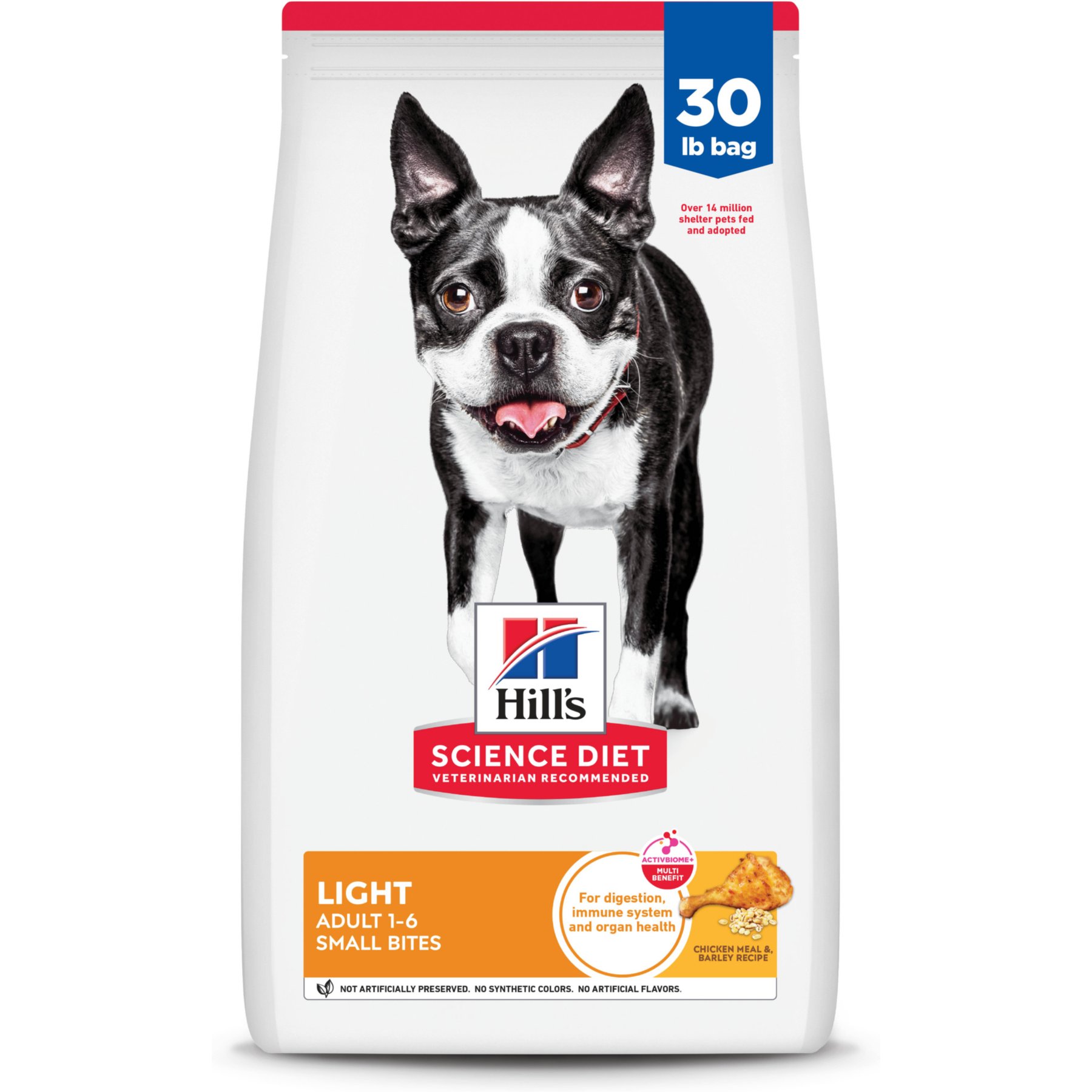
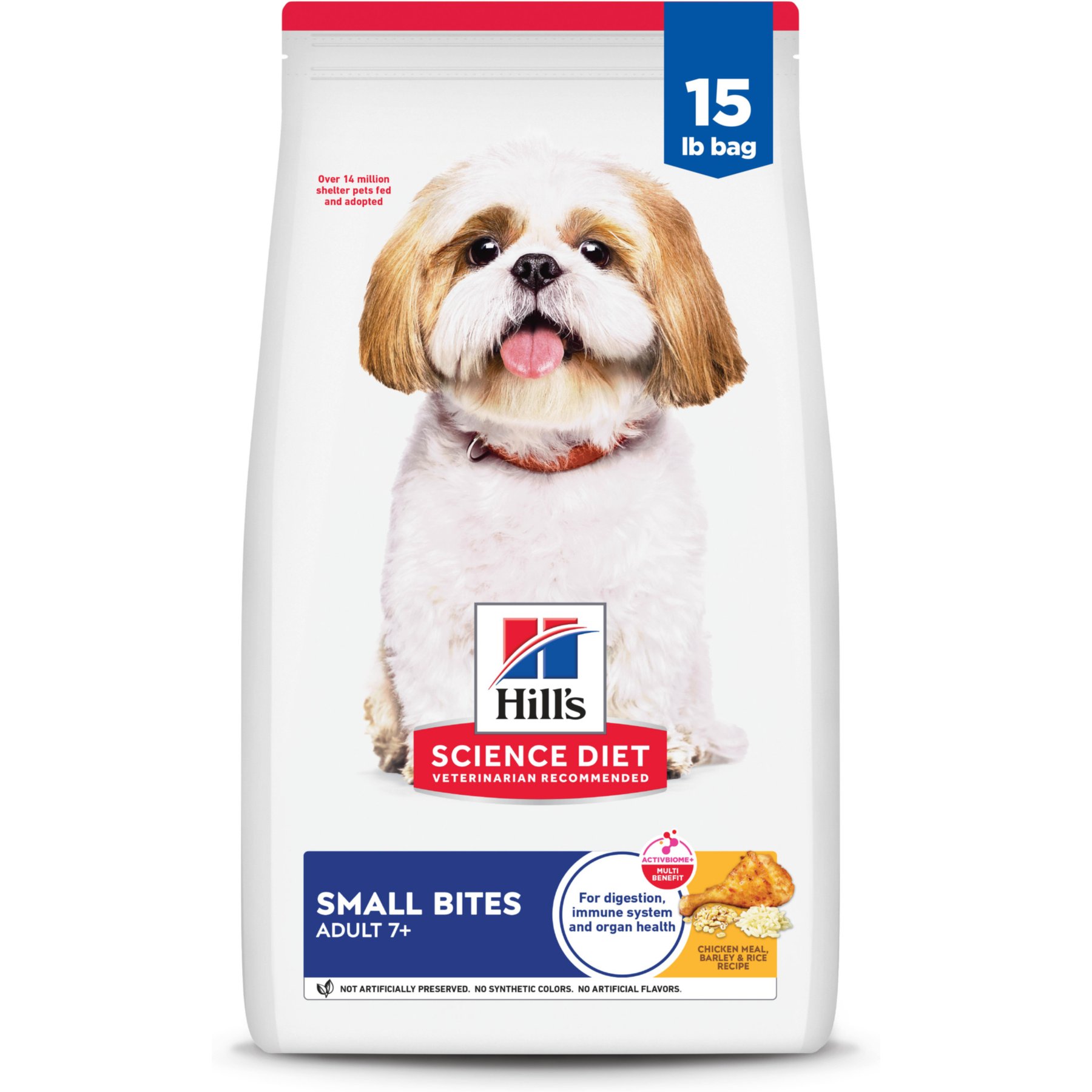
Hill's Science Diet Adult Small Bites
- Rating: 4.77/5 from over 4,000 reviews
- Smaller kibble easier for Bulldogs to pick up
- Easy-to-digest ingredients
- Omega-6 fatty acids for skin and coat
- Made in the USA
Royal Canin Canine Care Nutrition Digestive Care
- Highly digestible formula
- Optimal fiber blend
- Supports healthy digestion
- Reduces flatulence
Purina Pro Plan Sensitive Skin & Stomach
- Salmon as the first ingredient
- Oatmeal for gentle digestion
- Rich in omega fatty acids for skin
- No corn, wheat, or soy
For Weight Management
Royal Canin Medium Weight Care
- Rating: 4.80/5
- L-carnitine for healthy metabolism
- High protein to maintain muscle
- Fiber for satiety
- Helps achieve and maintain ideal weight
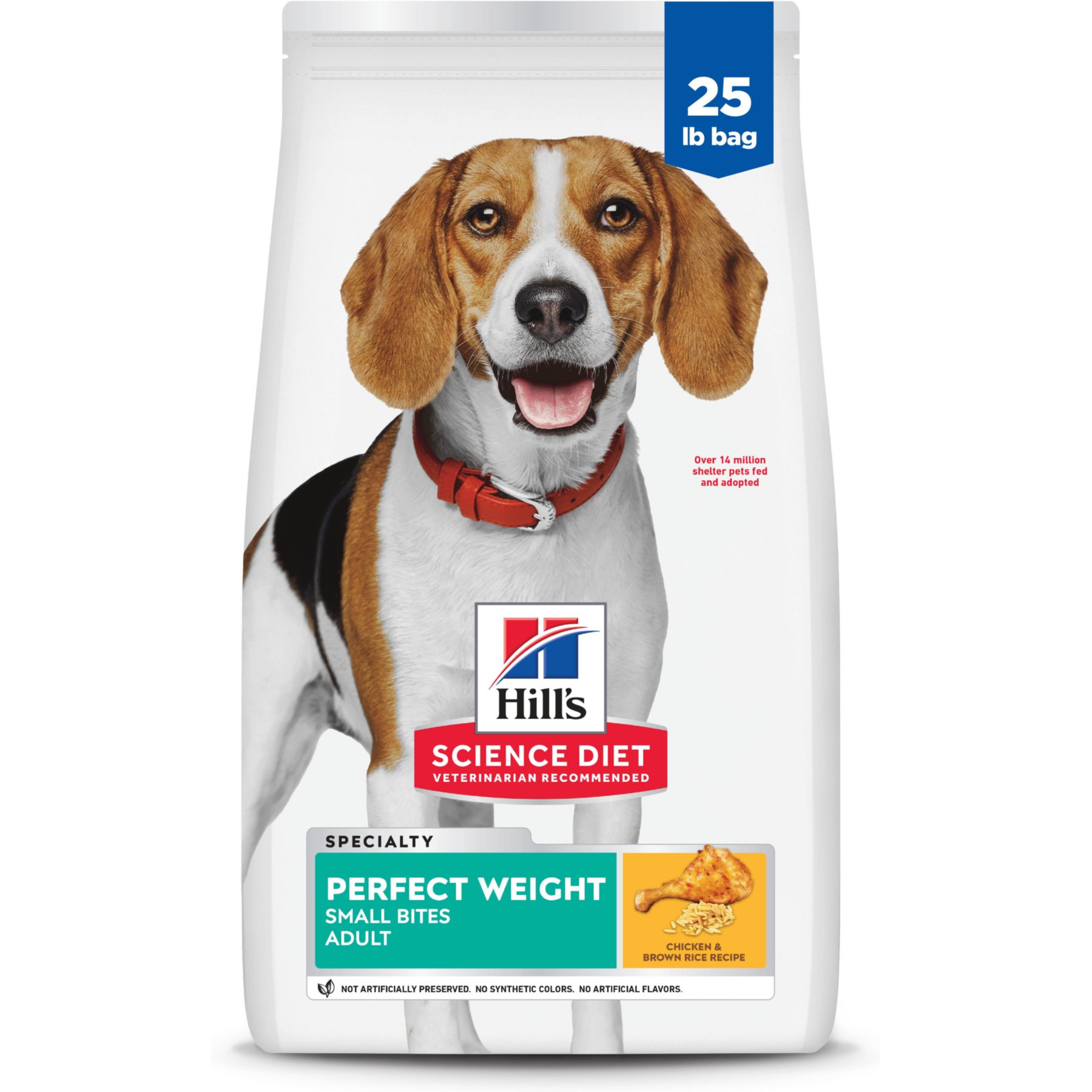
Hill's Science Diet Perfect Weight
- Clinically proven for weight loss
- Real chicken as first ingredient
- Helps dogs feel full longer
- Supports lean muscle
For Skin Issues
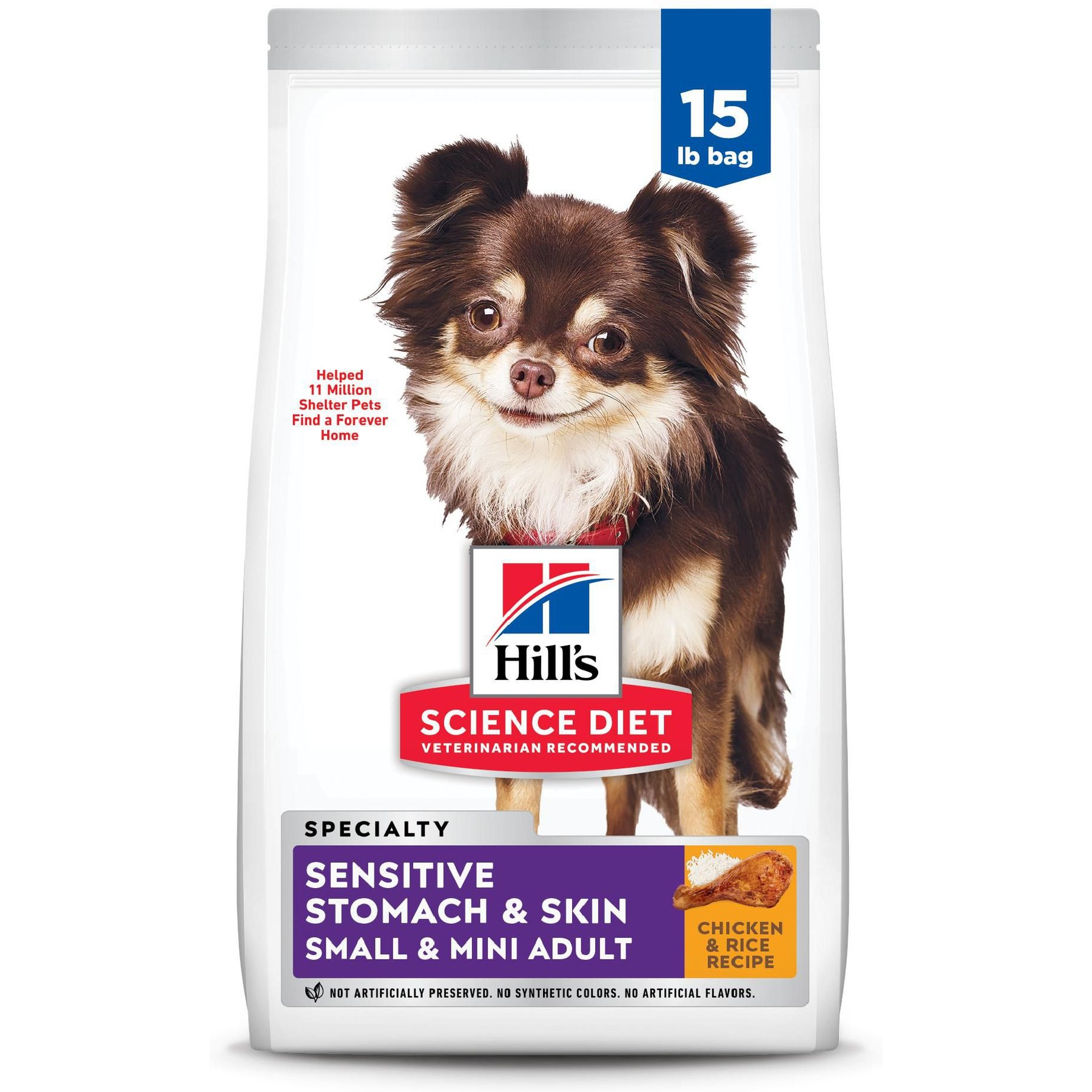
Hill's Science Diet Sensitive Stomach & Skin
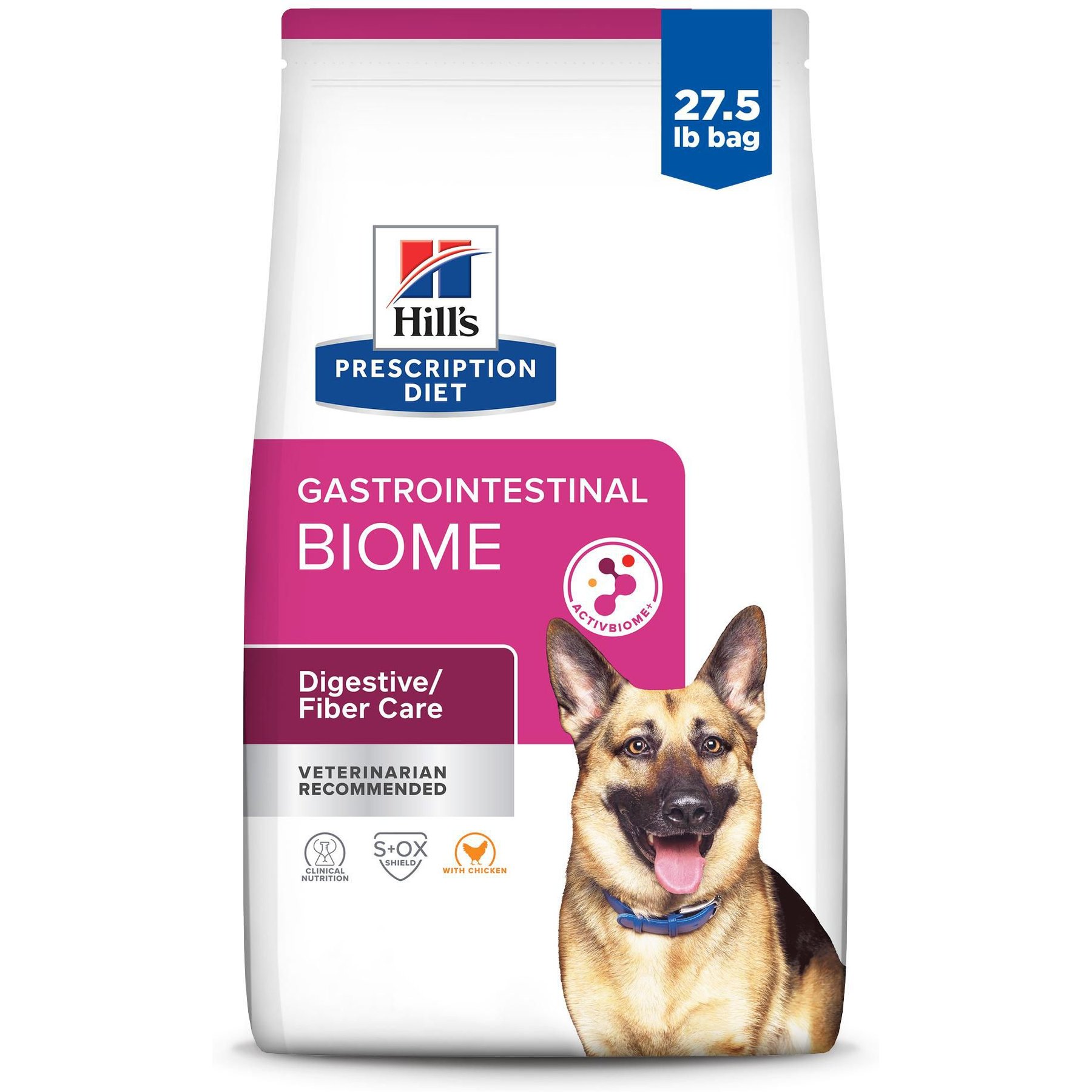
- Prebiotic fiber for digestive health
- Omega-6 fatty acids for skin
- Vitamin E for skin protection
- Easy to digest
Feeding Guidelines
| Weight | Daily Amount (Adult) | Activity Level |
|---|---|---|
| 40-45 lbs | 1.5 - 2 cups | Low |
| 45-50 lbs | 2 - 2.25 cups | Low |
| 50-55 lbs | 2.25 - 2.5 cups | Low |
Important Notes:
- Bulldogs typically need 20-30% fewer calories than more active breeds
- Adjust portions based on body condition, not appetite
- Most Bulldogs are overweight—check with your vet
Managing Bulldog Weight
Why Weight Matters Even More for Bulldogs
- Extra weight worsens breathing difficulties
- Increases joint stress on their compact frame
- Makes overheating more dangerous
- Reduces mobility and quality of life
- Shortens lifespan
Ideal Body Condition
- Ribs easily felt with light fat covering
- Visible waist when viewed from above
- Belly tucks up slightly
- Active and able to breathe comfortably
Weight Loss Strategies
- Use weight management formula
- Measure portions precisely
- Limit treats (try vegetables)
- Short, regular walks (avoid overheating)
- Puzzle feeders for mental stimulation
- Regular weigh-ins at the vet
Feeding Tips for Bulldogs
- Use appropriate bowl shape: Shallow, wide bowls help flat-faced dogs eat
- Slow-feeder bowls: Prevent gulping air, which causes flatulence and bloating
- Room temperature food: Easier to eat and digest than cold food
- Smaller, frequent meals: 2-3 meals daily aid digestion
- Elevate bowls slightly: May help with breathing while eating
- Keep cool during meals: Bulldogs overheat easily
Reducing Flatulence in Bulldogs
Bulldogs are notorious for gas. Dietary solutions include:
Choose the Right Food
- Highly digestible proteins
- Limited ingredients
- Avoid soy, beans, and excessive fiber
- No artificial additives
Feeding Practices
- Slow-feeder bowls reduce air intake
- Smaller, frequent meals
- Room temperature food
- Quiet feeding environment
- Consider probiotics for gut health
When to See a Vet
- Excessive, foul-smelling gas
- Accompanied by diarrhea or vomiting
- Loss of appetite
- Abdominal pain
Skin and Fold Care Through Nutrition
Nutrients for Healthy Bulldog Skin
- Omega-3 fatty acids: Reduce inflammation
- Omega-6 fatty acids: Support skin barrier
- Zinc: Essential for skin health
- Vitamin E: Antioxidant for skin
- B vitamins: Support skin cell health
Beyond Food
- Clean wrinkles daily
- Keep folds dry
- Use vet-recommended wipes
- Watch for redness or odor
Life Stage Considerations
Bulldog Puppies
- Feed puppy formula until 12-14 months
- 3-4 meals daily until 4 months, then 3 meals, then 2 after 6 months
- Control growth rate—don't overfeed
- Monitor for breathing issues while eating
Adult Bulldogs (2-7 years)
- Transition to adult formula
- Focus on weight management
- Joint support becomes important
- Regular vet checks for breed-specific issues
Senior Bulldogs (7+ years)
- Consider senior formula
- Enhanced joint support
- Reduced calories as activity decreases
- More frequent health monitoring
- Watch for cognitive changes
Wet Food vs. Dry Food for Bulldogs
Advantages of Wet Food
- Easier for flat-faced dogs to eat
- Higher moisture content (aids hydration)
- Often more palatable
- Can help with eating difficulties
Advantages of Dry Food
- Better for dental health
- More economical
- Easier to portion control
- Longer shelf life
Best Approach
Many Bulldog owners find success with a combination—primarily dry food with wet food toppers or mixed in. This provides dental benefits while making meals easier to eat.
Frequently Asked Questions
Why does my Bulldog have so much gas?
Bulldogs swallow more air while eating due to their flat-faced anatomy. Combine this with a sensitive digestive system, and gas is common. Use slow-feeder bowls, feed smaller meals, choose highly digestible food, and avoid gas-producing ingredients like soy.
How do I know if my Bulldog is the right weight?
Feel your Bulldog's ribs—they should be easy to feel with a thin layer of fat. From above, there should be a visible waist. From the side, the belly should tuck up slightly. Many Bulldogs are overweight; consult your vet for an objective assessment.
My Bulldog has skin allergies. What food should I try?
Start with a limited ingredient diet or a food designed for sensitive skin. Common allergens include chicken, beef, wheat, and corn. Novel proteins like fish, duck, or venison may help. Your vet may recommend an elimination diet to identify specific triggers.
Should I soften my Bulldog's food with water?
This can help Bulldogs eat more comfortably. The extra moisture is also beneficial for hydration. Add warm (not hot) water and let it soften for a few minutes before serving.
How often should I feed my Bulldog?
Adult Bulldogs do best with 2-3 smaller meals per day rather than one large meal. This aids digestion, reduces gas, and prevents gulping. Puppies need more frequent meals.
Related Resources
- Feeding Calculator - Calculate exact calorie needs for your Bulldog
- Dog Food for Sensitive Stomach - Digestive health options
- Dog Food for Skin Allergies - Allergy-friendly options
- Dog Food for Weight Loss - Weight management formulas
- Compare Dog Foods - Side-by-side product comparison