Boxers are playful, energetic, and fiercely loyal companions known for their athletic build and expressive faces. These muscular dogs have specific nutritional needs shaped by their high energy levels, potential for heart issues, and tendency toward food sensitivities.
Nutritional Needs of Boxers
Boxers are a large breed, typically weighing 50-80 pounds. Their muscular build, high activity levels, and extended puppyhood (Boxers mature slowly) require careful nutritional attention.
Key Nutritional Requirements
- High-quality protein (24-28%): Essential for maintaining their muscular physique
- Moderate fat (12-16%): Provides energy for their active lifestyle
- Taurine and L-carnitine: Critical for heart health—Boxers are prone to cardiac issues
- Glucosamine and chondroitin: Joint support for this athletic breed
- Omega-3 fatty acids: Support skin health (Boxers are allergy-prone)
- Easily digestible ingredients: Boxers often have sensitive stomachs
- Appropriate fiber: Supports digestive health
Common Health Concerns That Affect Diet
Boxers face several breed-specific health challenges that nutrition can help address:
- Cardiomyopathy (Boxer cardiomyopathy): Taurine and L-carnitine support heart function
- Bloat (GDV): Deep-chested dogs are at risk; feeding practices matter
- Food allergies and sensitivities: Limited ingredient diets may help
- Flatulence: Easily digestible food reduces gas
- Hip dysplasia: Joint support nutrients are important
- Hypothyroidism: Quality nutrition supports thyroid function
- Cancer: Boxers have higher cancer rates; antioxidants may provide support
What to Look for in Boxer Food
Must-Have Features
- Large breed formula with appropriate kibble size
- High-quality animal protein as the first ingredient
- Added taurine and L-carnitine for heart health
- Glucosamine and chondroitin for joints
- Omega fatty acids for skin and coat
- Easily digestible, limited-ingredient options available
- No artificial colors, flavors, or preservatives
Ingredients to Avoid
- Common allergens if your Boxer is sensitive
- By-product meals
- Artificial additives
- Excessive fillers that cause gas
Top Recommended Products
Based on our database analysis, these products are excellent choices for Boxers:
Premium Large Breed Options
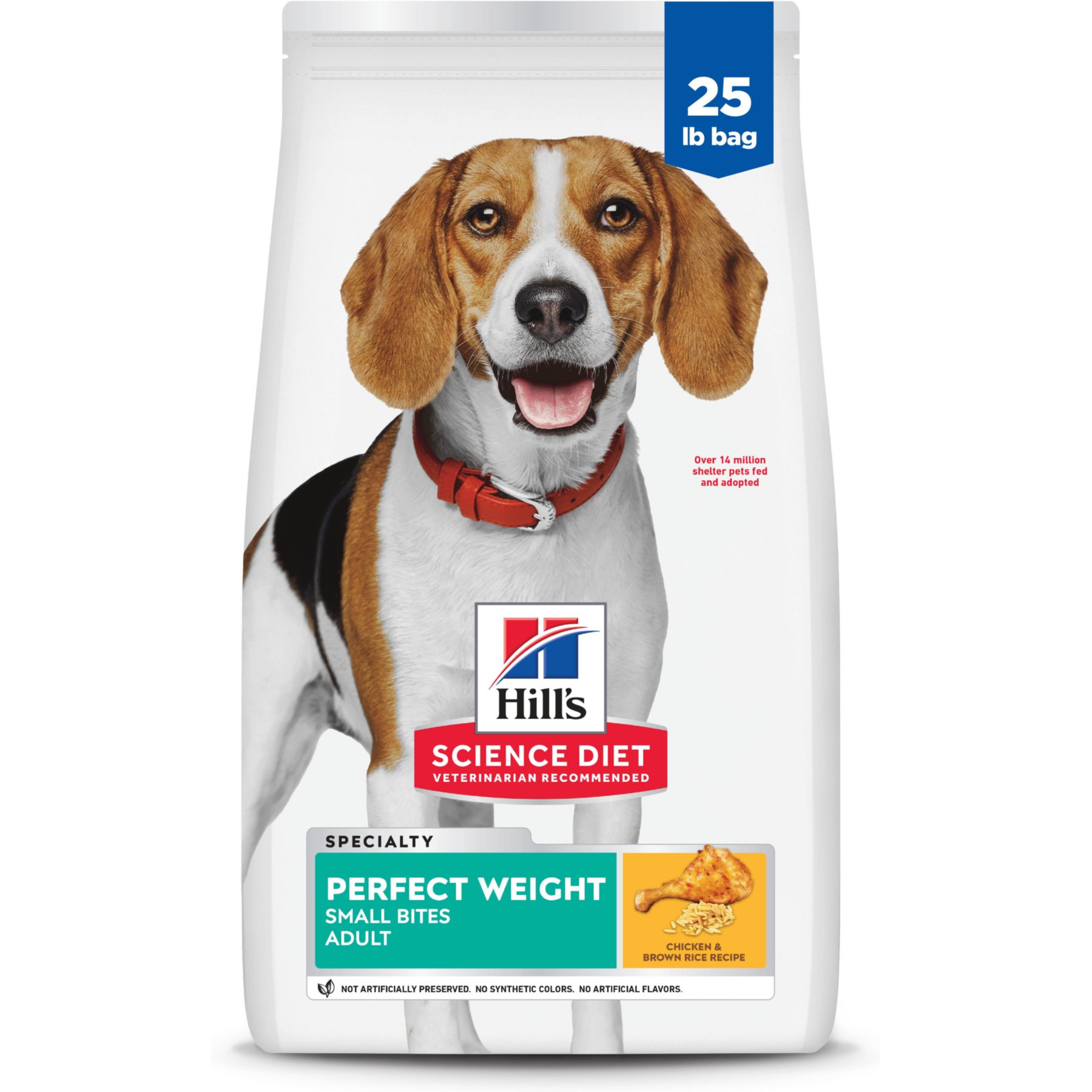
Hill's Science Diet Adult Large Breed
- Formulated for dogs 55-100 lbs
- Glucosamine and chondroitin for joints
- Omega-6 fatty acids for skin and coat
- Easy-to-digest ingredients
- Made in the USA
Purina Pro Plan Large Breed Adult
- Real chicken as first ingredient
- EPA and glucosamine for joint health
- Live probiotics for digestive support
- Omega fatty acids for skin
Royal Canin Size Health Nutrition Large Adult
- Tailored for dogs 56-100 lbs
- EPA and DHA for joint health
- L-carnitine for metabolism
- Highly digestible proteins
For Sensitive Digestion
Purina Pro Plan Sensitive Skin & Stomach
- Salmon as first ingredient
- Oatmeal for gentle digestion
- Omega fatty acids for skin
- No corn, wheat, or soy
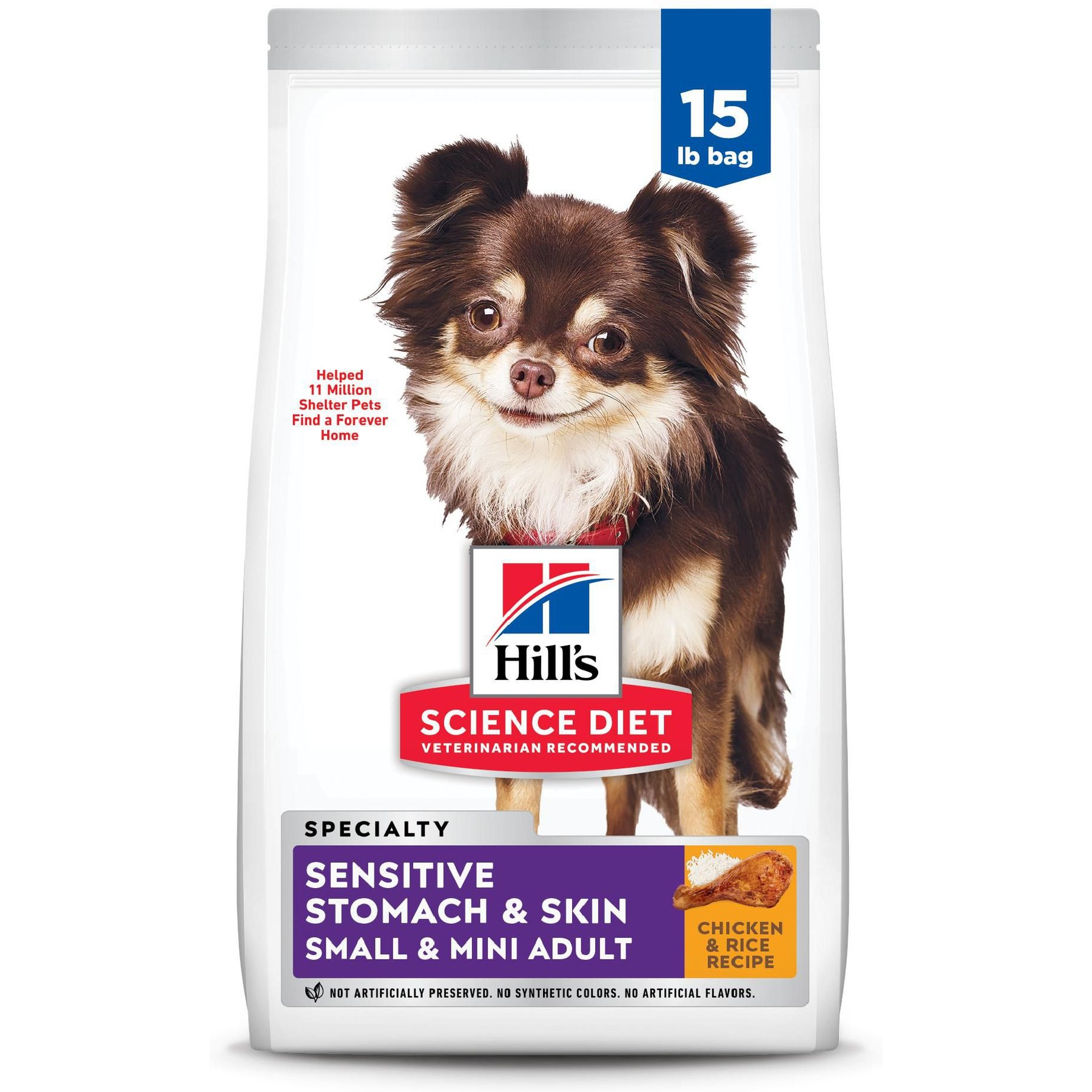
Hill's Science Diet Sensitive Stomach & Skin
- Rating: 4.77/5
- Prebiotic fiber for digestive health
- Omega fatty acids for skin
- Easy-to-digest formula
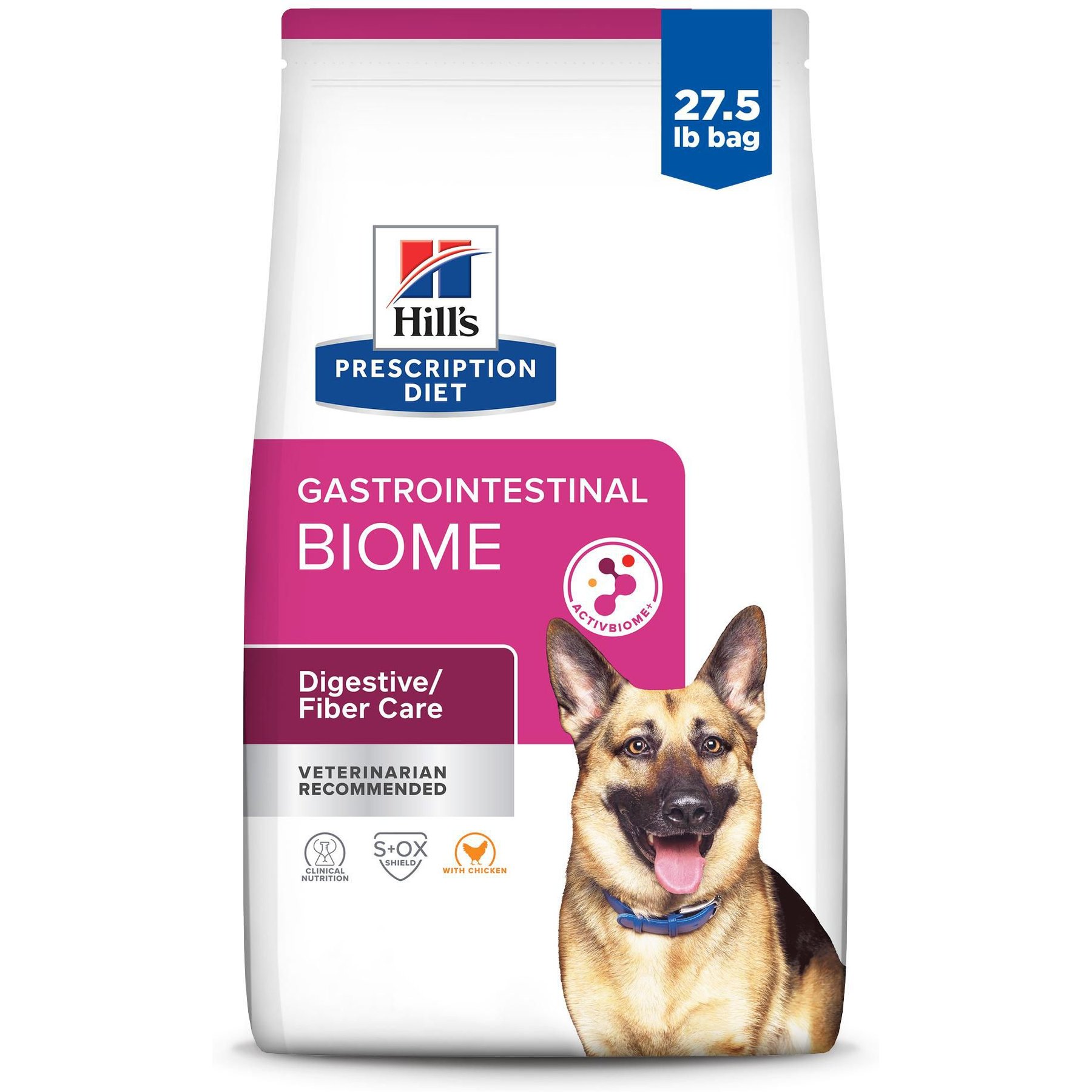
Royal Canin Veterinary Diet Gastrointestinal
- Rating: 4.76/5 from nearly 7,000 reviews
- Highly digestible proteins
- Supports digestive balance
- Veterinary recommended
For Heart Health
When choosing food for Boxers, prioritize:
- Foods with added taurine
- L-carnitine inclusion
- Omega-3 fatty acids
- Grain-inclusive formulas (avoid grain-free due to DCM concerns)
Feeding Guidelines
| Weight | Daily Amount (Adult) | Activity Level |
|---|---|---|
| 50-60 lbs | 2.5 - 3 cups | Moderate |
| 60-70 lbs | 3 - 3.5 cups | Moderate |
| 70-80 lbs | 3.5 - 4 cups | Moderate |
Active Boxers: May need 20-30% more Senior Boxers: Typically need 15-20% less
Supporting Boxer Heart Health
Boxers are predisposed to cardiomyopathy, making heart-healthy nutrition crucial.
Key Heart-Supporting Nutrients
- Taurine: Amino acid essential for heart muscle function
- L-carnitine: Helps heart use energy efficiently
- Omega-3 fatty acids: Support cardiovascular health
- CoQ10: Antioxidant that supports heart function
- Magnesium: Supports proper heart rhythm
Important Dietary Considerations
- Avoid grain-free diets: FDA has linked grain-free foods to increased DCM risk
- Choose foods with named animal proteins
- Look for added taurine in ingredient list
- Consider fish-based foods for omega-3s
Signs of Heart Problems
- Exercise intolerance
- Coughing
- Fainting or collapse
- Difficulty breathing
- Irregular heartbeat
- Consult your vet immediately if you notice these signs
Preventing Bloat in Boxers
Boxers have deep chests, putting them at elevated bloat risk.
Prevention Strategies
- Feed 2-3 smaller meals instead of one large meal
- Use slow-feeder bowls
- No exercise 1 hour before or after eating
- Keep feeding environment calm
- Avoid elevated bowls (research is mixed)
- Fresh water available but monitor gulping
Warning Signs of Bloat
- Distended, hard abdomen
- Unproductive retching
- Excessive drooling
- Restlessness and pacing
- This is an emergency—seek immediate veterinary care
Managing Food Sensitivities
Many Boxers develop food allergies or sensitivities.
Common Signs
- Itchy skin
- Ear infections
- Paw licking
- Digestive upset
- Chronic skin infections
Dietary Solutions
- Try limited ingredient diets
- Novel proteins (fish, duck, venison)
- Avoid common allergens (chicken, beef, wheat, corn)
- Elimination diet under vet guidance
- Consider hydrolyzed protein formulas
Feeding Tips for Boxers
- Multiple daily meals: 2-3 meals reduce bloat risk
- Slow-feeder bowls: Boxers tend to eat fast
- No exercise around meals: Wait 1 hour before and after
- Consistent schedule: Same times daily
- Quality over quantity: Better nutrition means less food needed
- Monitor body condition: Boxers should be lean and muscular
Life Stage Considerations
Boxer Puppies
- Large breed puppy formula until 12-18 months
- Boxers mature slowly—don't rush to adult food
- 3-4 meals daily until 6 months, then 2-3 meals
- Controlled growth to prevent joint issues
- Start heart-healthy nutrition early
Adult Boxers (2-7 years)
- Large breed adult formula
- Heart health focus (taurine, L-carnitine)
- Joint support
- Monitor for food sensitivities
- Regular heart check-ups
Senior Boxers (7+ years)
- Senior formula with enhanced joint support
- Continued heart health focus
- May need reduced calories
- More frequent veterinary monitoring
- Consider senior-specific supplements
Boxer Body Condition
Ideal Body Condition
- Ribs easily felt with slight fat covering
- Visible waist when viewed from above
- Belly tucks up from side
- Muscular and athletic appearance
- No excessive belly
Maintaining Ideal Weight
- Boxers should look athletic, not overweight
- Extra weight stresses heart and joints
- Measure food precisely
- Limit treats to 10% of daily calories
- Regular weigh-ins
Frequently Asked Questions
How much should I feed my Boxer?
Adult Boxers typically need 1,500-2,200 calories daily depending on size and activity. This translates to roughly 3-4 cups of quality dry food daily, split into 2-3 meals. Use your specific food's guidelines and adjust based on body condition.
Why does my Boxer have so much gas?
Boxers often swallow air while eating due to their brachycephalic (short-muzzled) features. Use slow-feeder bowls, choose easily digestible food, avoid gas-producing ingredients like soy, and feed smaller, more frequent meals.
Should I feed my Boxer grain-free food?
No—for Boxers specifically, grain-free food is not recommended. Boxers are already prone to heart disease, and the FDA has investigated a link between grain-free diets and dilated cardiomyopathy (DCM). Choose a high-quality grain-inclusive food with added taurine.
My Boxer is allergic to everything. What should I feed?
Work with your vet on an elimination diet to identify specific triggers. Try novel protein sources like fish, duck, venison, or kangaroo. Consider hydrolyzed protein formulas where proteins are broken down to reduce allergic reactions. Limited ingredient diets can help identify sensitivities.
At what age should I switch my Boxer from puppy to adult food?
Boxers mature slowly compared to many breeds. Keep them on large breed puppy food until 12-18 months old. Look for signs of maturity (full size, adult teeth, calmer energy) and consult your vet for the right timing.
Related Resources
- Feeding Calculator - Calculate exact calorie needs for your Boxer
- Large Breed Dog Food - More large breed options
- Dog Food for Sensitive Stomach - Digestive health options
- Dog Food for Heart Health - Heart-healthy options
- Compare Dog Foods - Side-by-side product comparison