Boston Terriers—the "American Gentleman"—are charming, compact companions known for their tuxedo-like markings, expressive faces, and friendly disposition. These small brachycephalic dogs have unique nutritional needs shaped by their flat-faced anatomy and tendency toward certain health conditions.
Nutritional Needs of Boston Terriers
Boston Terriers are a small breed, typically weighing 12-25 pounds. Their compact, muscular build and brachycephalic (flat-faced) structure create specific dietary requirements.
Key Nutritional Requirements
- Moderate protein (22-26%): Supports lean muscle without excess calories
- Moderate fat (10-14%): Bostons gain weight easily
- Easily digestible ingredients: Their flat faces cause digestive issues
- Omega fatty acids: Support skin health and reduce flatulence
- Fiber: Aids digestion and reduces gas
- Small, easy-to-grasp kibble: Designed for their short muzzles
Common Health Concerns That Affect Diet
Boston Terriers face several breed-specific challenges:
- Brachycephalic syndrome: Flat-faced anatomy affects eating and breathing
- Flatulence: Bostons are notoriously gassy
- Allergies: Many develop food sensitivities
- Obesity: Their compact build makes weight gain obvious
- Luxating patella: Joint support helps
- Eye problems: Their prominent eyes need protection; antioxidants help
- Dental issues: Small mouths crowd teeth
What to Look for in Boston Terrier Food
Must-Have Features
- Small breed formula
- Easy-to-grasp kibble for flat-faced dogs
- Highly digestible ingredients (reduces gas)
- Moderate calorie content
- Omega fatty acids for skin
- No gas-producing ingredients (soy, beans)
Ingredients to Avoid
- Soy and soy products
- Beans and legumes
- Excessive fat
- Hard-to-digest fillers
- Artificial additives
Top Recommended Products
Based on our database analysis, these products are excellent choices for Boston Terriers:
Premium Small Breed Options
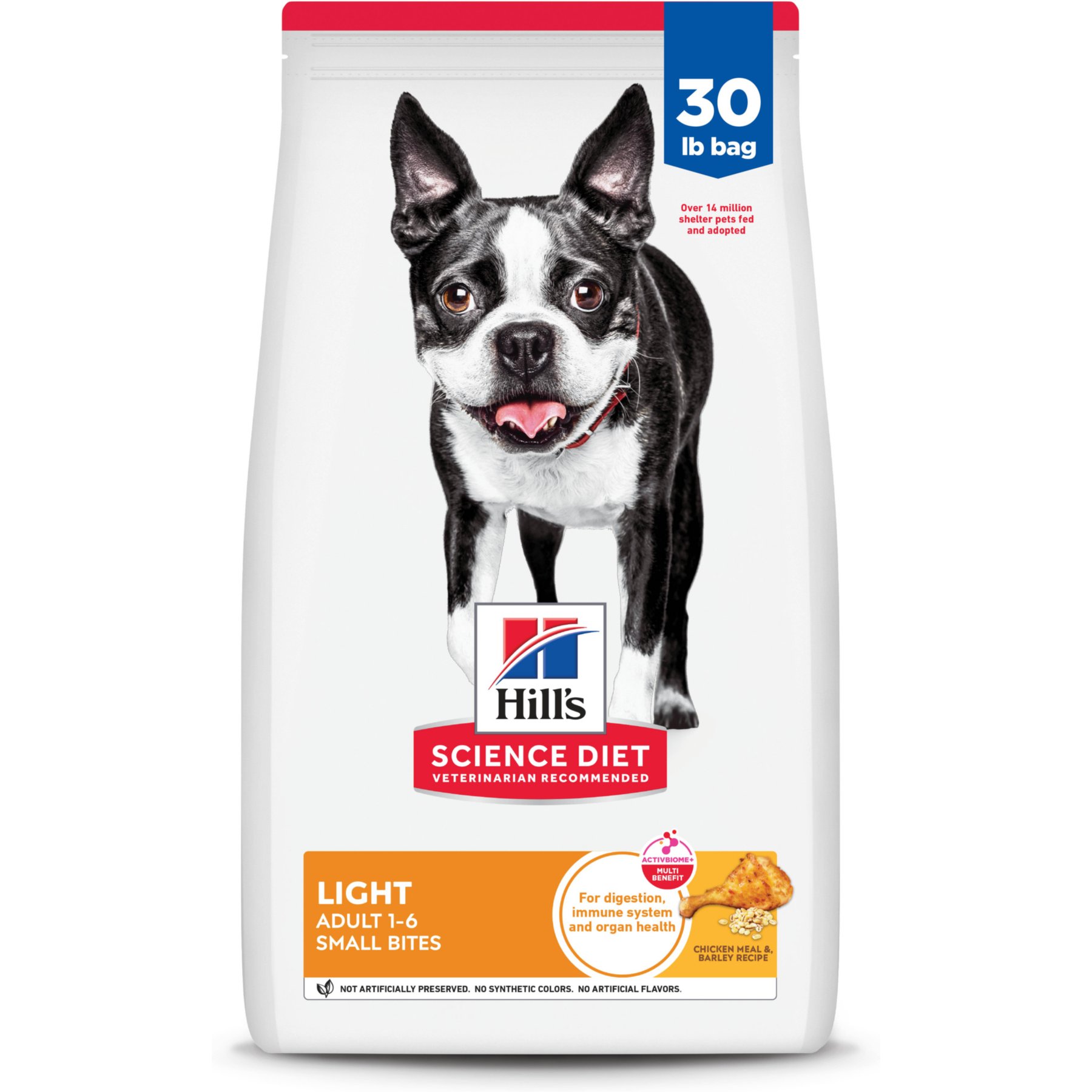
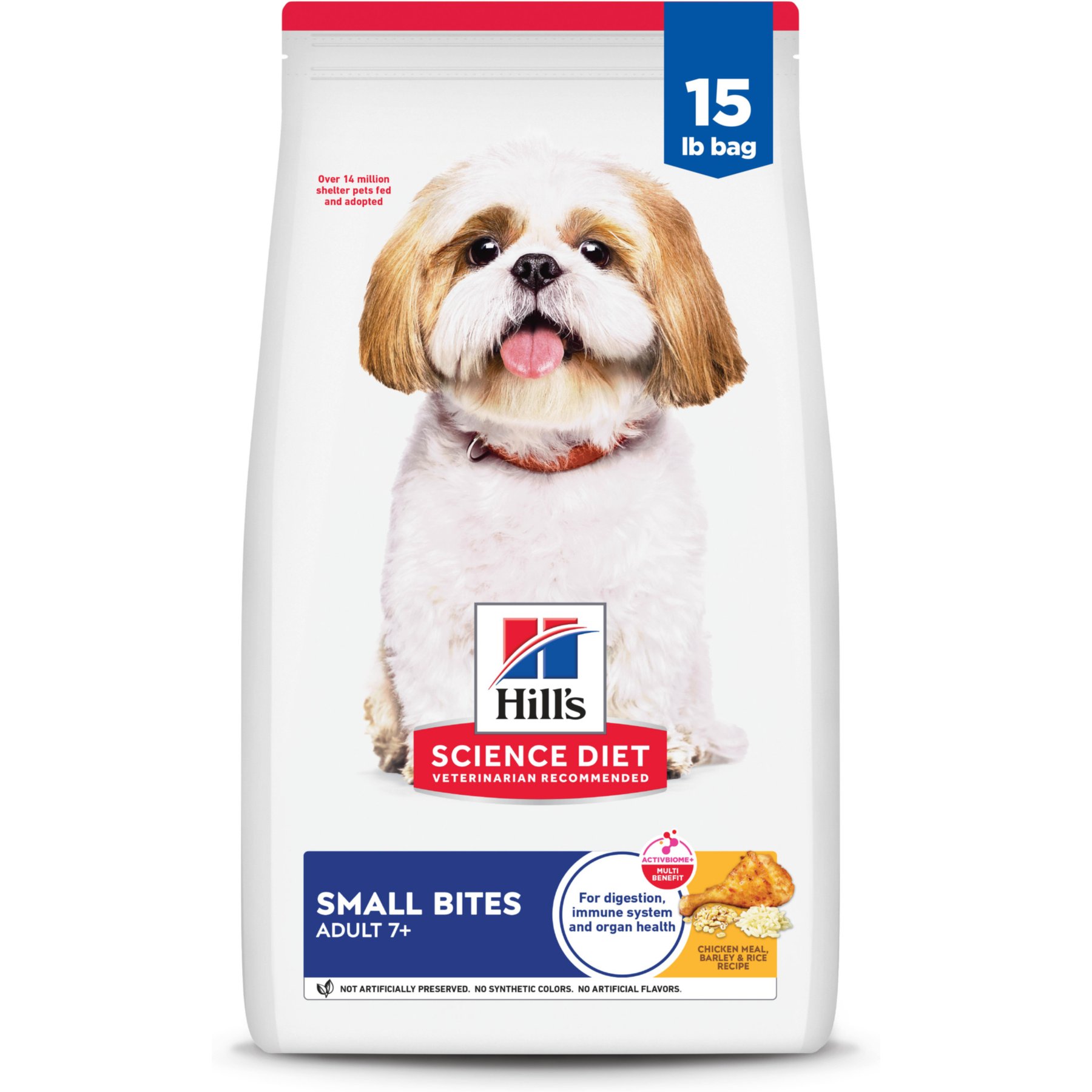
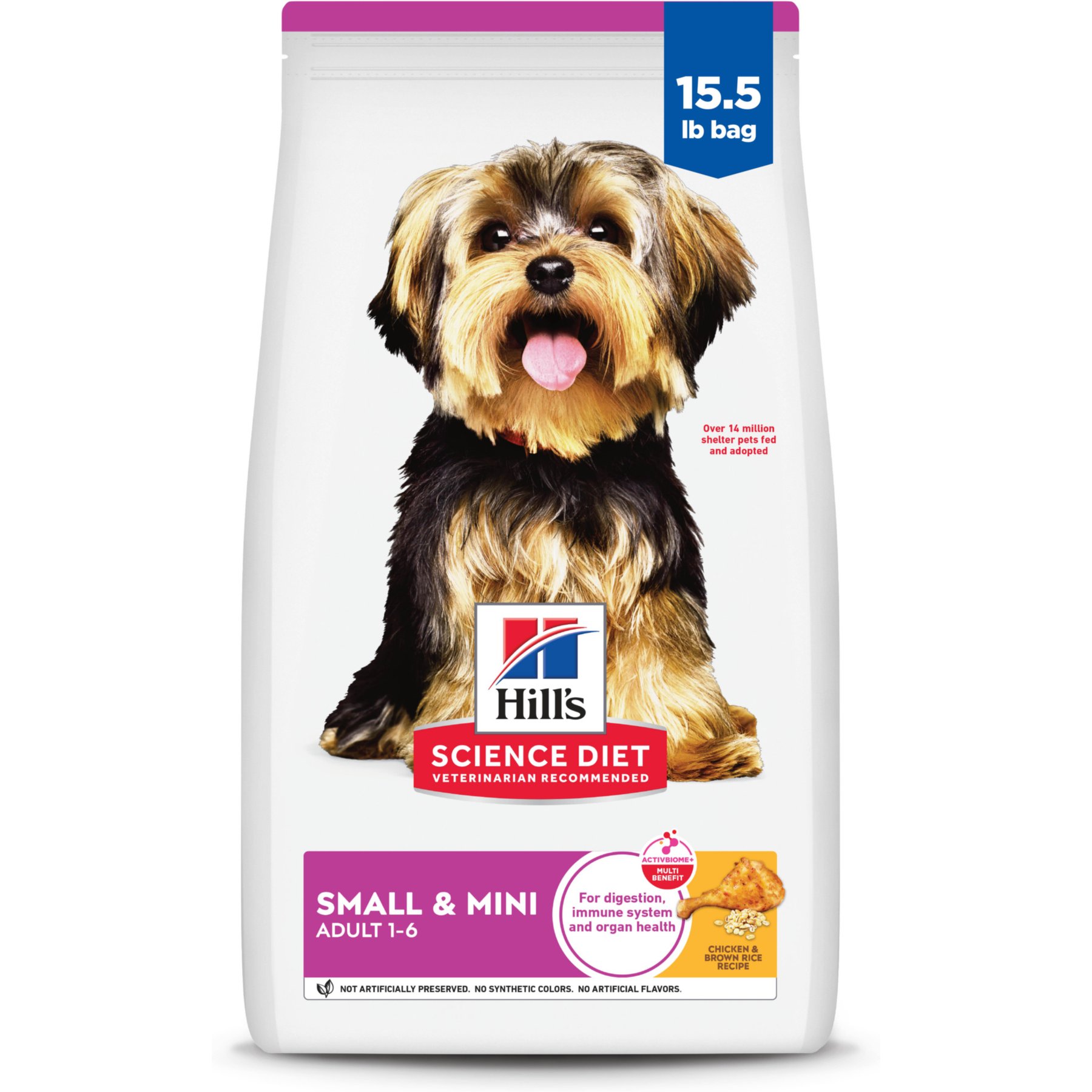
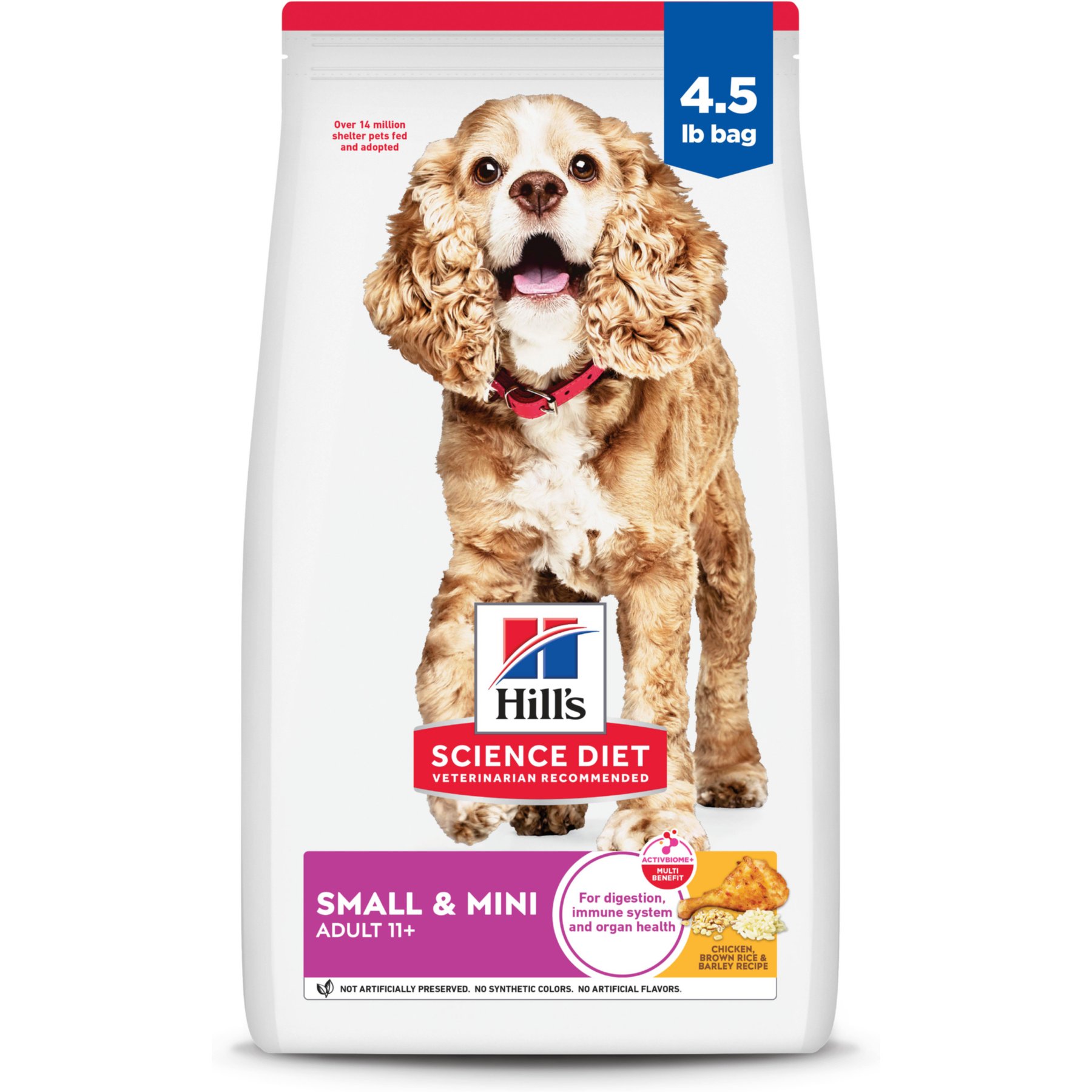
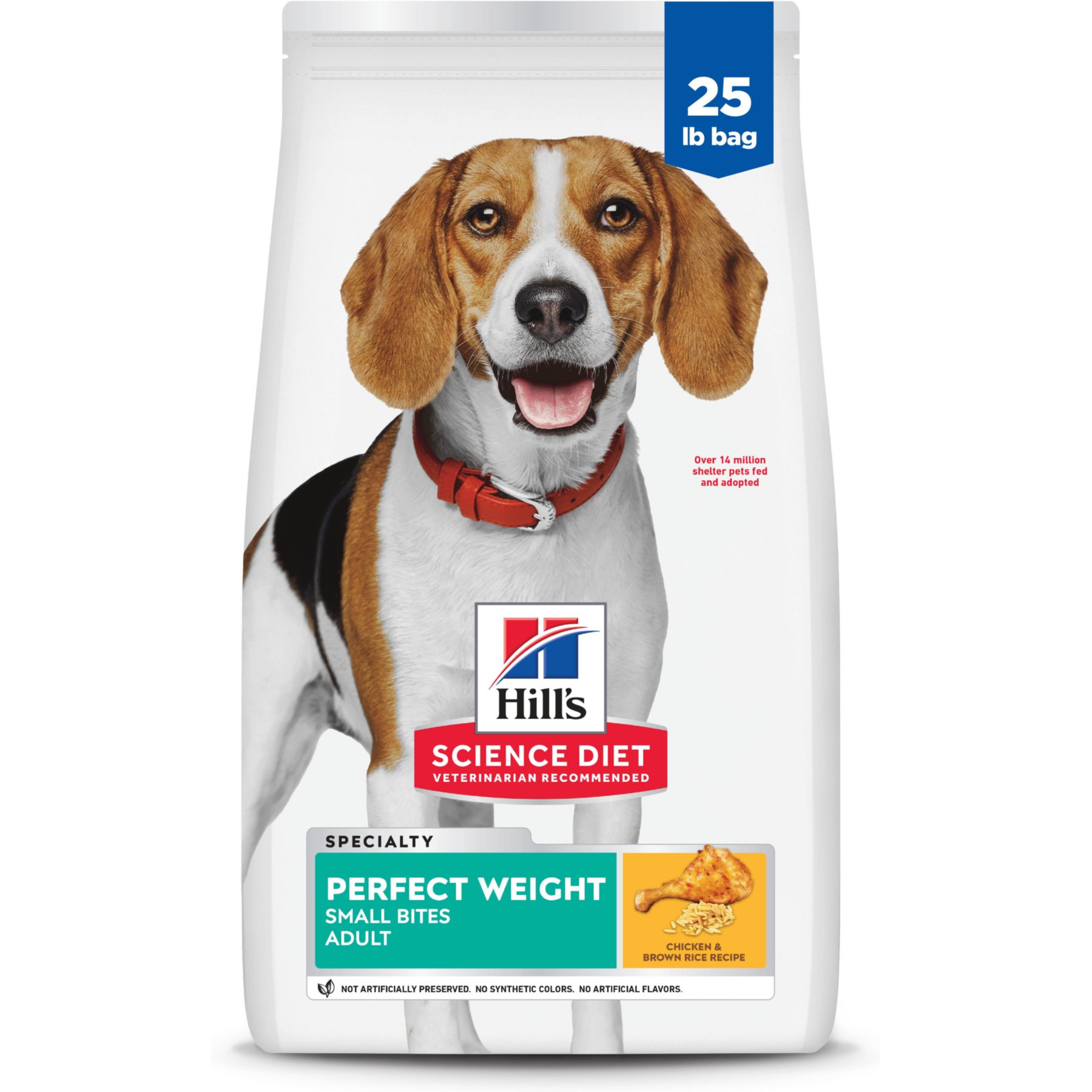
Hill's Science Diet Adult Small Breed
- Rating: 4.77/5 from over 3,000 reviews
- Easy-to-digest ingredients including pumpkin
- Omega fatty acids for skin
- Small kibble
- Made in the USA
Purina Pro Plan Small Breed Adult
- Real chicken as first ingredient
- Probiotics for digestive health
- Omega fatty acids for coat
- Small kibble size
Royal Canin Small Adult
- Highly digestible proteins
- EPA and DHA for skin and coat
- Small, easy-to-pick-up kibble
For Sensitive Digestion (Gas Reduction)
Purina Pro Plan Sensitive Skin & Stomach
- Salmon as first ingredient
- Oatmeal for gentle digestion
- No corn, wheat, or soy
- Reduces digestive upset
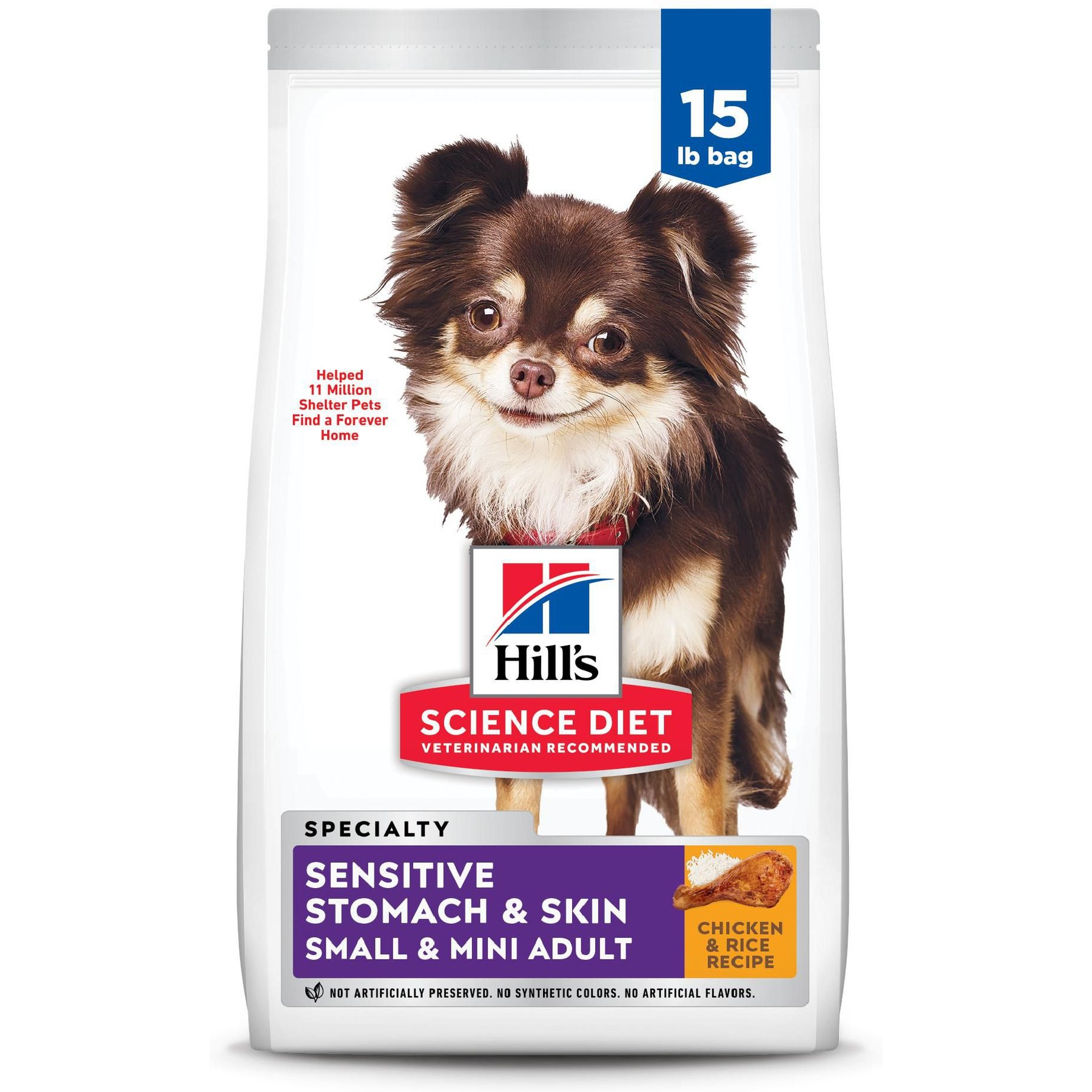
Hill's Science Diet Sensitive Stomach & Skin
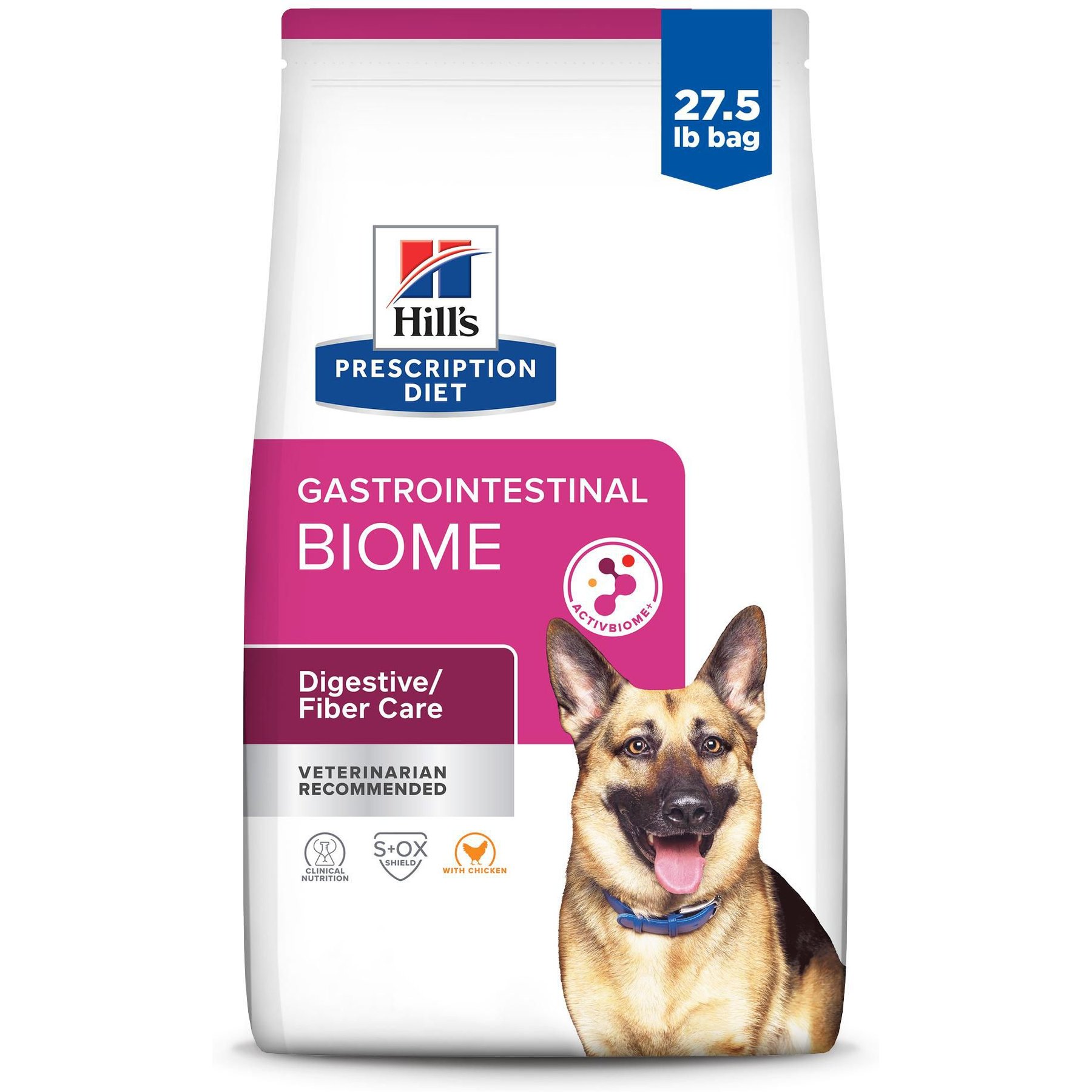
- Prebiotic fiber for digestive health
- Easy to digest
- Reduces gas and loose stools
Feeding Guidelines
| Weight | Daily Amount | Meals Per Day |
|---|---|---|
| 12-15 lbs | 0.66 - 0.85 cup | 2 |
| 15-20 lbs | 0.85 - 1.15 cups | 2 |
| 20-25 lbs | 1.15 - 1.33 cups | 2 |
Reducing Boston Terrier Gas
Bostons are famous for flatulence due to their anatomy and digestion.
Dietary Solutions
- Choose highly digestible foods
- Avoid soy, beans, and legumes
- Use slow-feeder bowls (reduces air swallowing)
- Consider probiotics
- Small, frequent meals help
Feeding Practices
- Slow-feeder bowls prevent gulping air
- Room temperature food digests easier
- Quiet feeding environment
- Multiple smaller meals
Feeding Tips for Boston Terriers
- Shallow, wide bowls: Easier for flat-faced dogs
- Slow-feeder bowls: Reduces air intake and gas
- Two meals daily: Aids digestion
- Measure precisely: They gain weight easily
- Avoid soy products: Major gas contributor
- Room temperature food: Easier to digest
Life Stage Considerations
Boston Terrier Puppies
- Puppy formula until 10-12 months
- 3-4 meals daily until 4 months, then 3, then 2
- Monitor growth—avoid obesity
- Watch for eating difficulties
Adult Boston Terriers (1-8 years)
- Small breed adult formula
- Focus on weight management
- Digestive health important
- Regular dental care
Senior Boston Terriers (8+ years)
- Senior formula may be appropriate
- May need softer food
- Joint support becomes important
- More frequent monitoring
Frequently Asked Questions
Why is my Boston Terrier so gassy?
Boston Terriers swallow more air while eating due to their flat faces. Combined with sensitive digestion, this causes excessive gas. Use slow-feeder bowls, choose easily digestible food, avoid soy and beans, and feed smaller meals.
How do I help my Boston eat more easily?
Use shallow, wide bowls. Choose kibble designed for flat-faced breeds. Slightly warm food may help. Allow extra time for meals. If your Boston struggles significantly, consult your vet.
My Boston is always hungry. How much should I really feed?
Boston Terriers typically need 500-800 calories daily depending on size. Stick to measured portions based on ideal weight, not appetite. If constantly hungry despite adequate food, check that you're using a food with appropriate fiber for satiety.
Should I feed wet or dry food?
Either can work. Wet food may be easier for flat-faced dogs to eat. Dry kibble helps with dental health. Many owners use a combination—primarily dry food with occasional wet food mixed in.
What treats are good for Boston Terriers?
Choose easily digestible, low-gas treats:
- Small pieces of cooked chicken
- Baby carrots
- Apple slices (no seeds)
- Commercial training treats (low-fat) Avoid: high-fat treats, anything with soy, large biscuits
Related Resources
- Feeding Calculator - Calculate exact calorie needs
- Small Breed Dog Food - More small breed options
- Dog Food for Sensitive Stomach - Digestive options
- Compare Dog Foods - Side-by-side comparison